Lately, the growing fascination with Japanese cuisine has sparked a surge in home cooking adventures, and nothing captures the heart of Japan’s culinary charm quite like donburi.
Whether you’re craving a quick weekday dinner or an impressive yet simple dish to share, mastering authentic donburi recipes can transform your kitchen experience.
With fresh ingredients and straightforward techniques, these bowls offer a perfect balance of flavor and comfort. Stick around as we dive into the art of crafting these delightful meals, bringing a taste of Japan right to your table.
Trust me, once you try these recipes, you’ll wonder how you ever lived without them.
Essential Components for Crafting a Delicious Donburi
Choosing the Perfect Rice Base
When it comes to donburi, the rice is more than just a base—it’s the foundation that holds everything together. Ideally, short-grain Japanese rice is the best choice because of its sticky texture and subtle sweetness that complements the toppings.
If you can’t find Japanese rice, sushi rice or any medium-grain rice will work as an alternative. It’s crucial to rinse the rice several times until the water runs clear to remove excess starch, which prevents it from becoming overly sticky or mushy.
Cooking rice with the right water-to-rice ratio and letting it rest after cooking ensures fluffy, perfectly textured grains that soak up all the savory flavors from your toppings.
Selecting Fresh and Flavorful Proteins
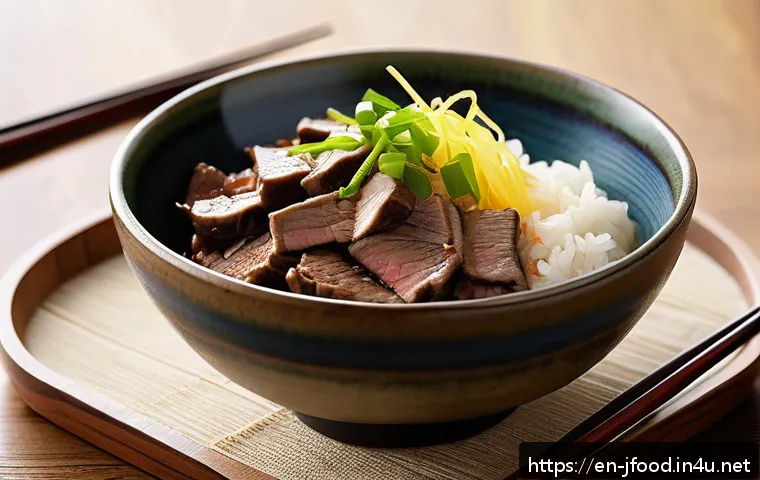
Donburi shines because of the variety of proteins you can use. From tender slices of beef in gyudon to succulent chicken in oyakodon, or even fresh seafood like salmon or eel, the protein choice defines the dish’s character.
When selecting meat or seafood, freshness is key. For example, thinly sliced beef with a good balance of fat and lean meat provides a rich taste and tender bite.
For seafood-based donburi, make sure to pick sushi-grade fish to ensure safety and flavor. Marinating or simmering the protein in a mix of soy sauce, mirin, and dashi broth adds layers of umami that elevate the entire bowl.
Layering with Complementary Vegetables and Garnishes
Vegetables and garnishes bring freshness, texture, and color to donburi bowls, making them visually appealing and nutritionally balanced. Common choices include thinly sliced onions, shiitake mushrooms, scallions, and pickled ginger.
These ingredients not only add crunch and vibrancy but also enhance the savory notes of the protein. Incorporating greens like spinach or bok choy adds a healthy touch and balances heavier flavors.
Finally, topping with a sprinkle of toasted sesame seeds or a drizzle of Japanese mayonnaise can introduce a subtle richness and crunch that completes the eating experience.
Mastering Classic Donburi Techniques
Simmering for Deep Flavor Infusion
One of the secrets to making donburi truly mouthwatering lies in simmering the ingredients gently in a seasoned broth. This technique allows the flavors from soy sauce, mirin, sake, and dashi to penetrate the protein and vegetables thoroughly.
I’ve found that simmering thin slices of meat or eggs for just the right amount of time—usually 5 to 10 minutes—ensures they stay tender and juicy without drying out.
The broth also serves as a sauce that soaks into the rice, transforming every bite into a harmonious blend of tastes. Patience during this step pays off with a bowl full of comforting, layered flavors.
Perfecting the Egg for Oyakodon and Beyond
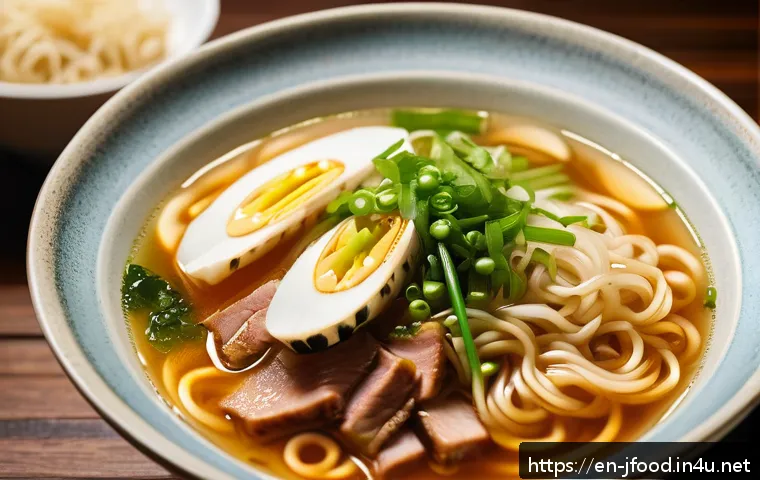
Eggs play a starring role in many donburi variations, especially oyakodon. The goal is to achieve a silky, softly cooked texture that gently envelops the meat and rice.
I usually beat the eggs lightly and pour them over the simmering meat mixture, then cover the pan to let the steam finish cooking the eggs. This method creates a custard-like consistency that’s both rich and delicate.
Timing is everything here; overcooking results in rubbery eggs, while undercooking leaves them too runny. Experimenting with this balance was a game-changer in my donburi-making journey.
Balancing Sweet and Savory Notes
Donburi flavors often walk a fine line between sweet and savory, which is what makes them so addictive. Achieving this balance requires careful measurement of key seasonings like soy sauce, sugar, and mirin.
When I first started cooking donburi, I tended to add too much soy sauce, which overwhelmed the dish. Now, I adjust the sweetness by adding a touch more sugar or mirin to soften the salty edge.
Each recipe might need slight tweaks depending on ingredient brands or personal taste, so tasting as you go is essential. This balance is what gives donburi its signature comforting and satisfying profile.
Exploring Varieties Beyond the Basics
Seafood-Inspired Donburi Bowls
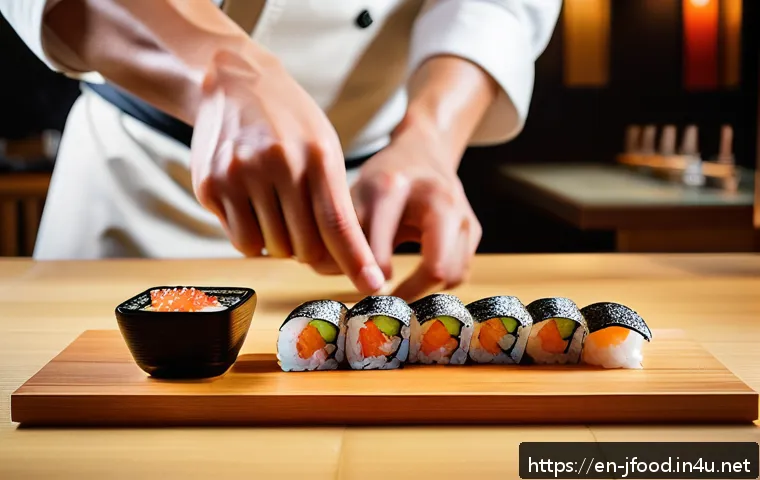
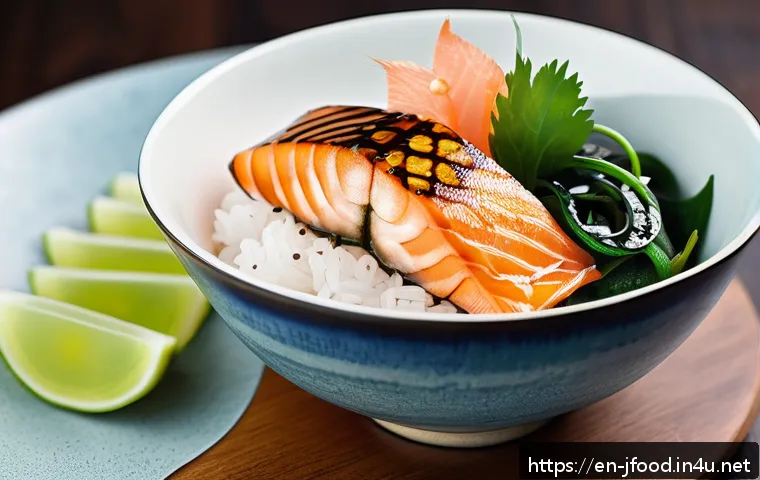
If you’re looking to step outside the classic meat-based donburi, seafood varieties offer a fresh and exciting alternative. Chirashi don, for example, features an assortment of sashimi over rice, making it both colorful and nutritious.
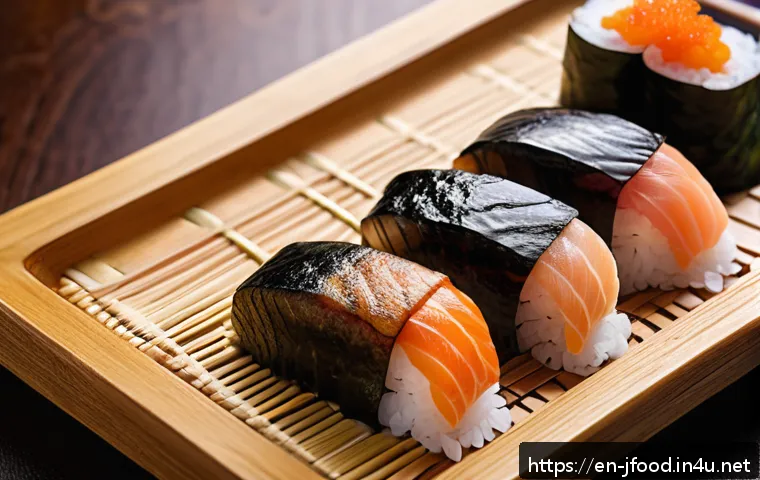
Another favorite is unadon, which features grilled eel glazed with a sweet soy-based sauce, delivering a smoky, caramelized finish. Preparing seafood donburi requires attention to freshness and proper handling, especially if serving raw fish.
I’ve found that pairing these bowls with a side of pickled vegetables or a light miso soup balances the richness perfectly.
Vegetarian and Vegan-Friendly Options
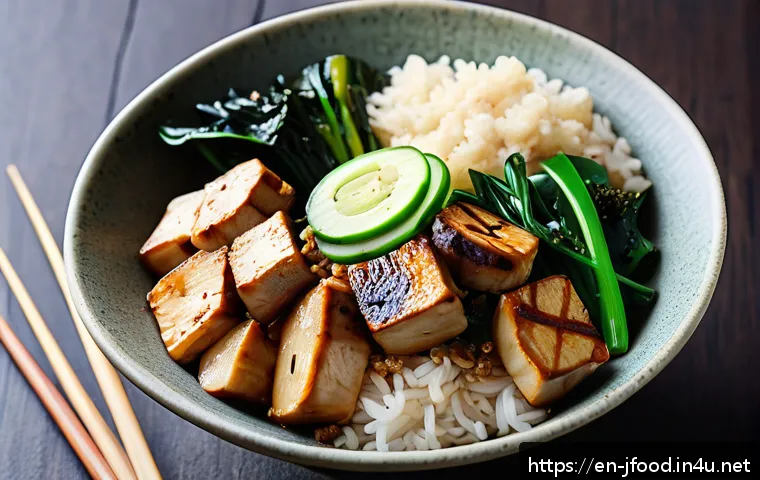
Donburi isn’t just for meat lovers; it’s incredibly adaptable for plant-based diets too. Using ingredients like tofu, mushrooms, and hearty vegetables can create satisfying bowls that don’t skimp on flavor.
For instance, simmered shiitake mushrooms in a savory broth mimic the umami depth of meat, while marinated tofu adds protein and texture. Adding a topping of crispy tempura vegetables or avocado slices can introduce additional layers of flavor and mouthfeel.
I’ve personally enjoyed experimenting with miso-based sauces to bring a rich, earthy taste that complements the veggies beautifully.
Seasonal Ingredients for Freshness and Variety
Incorporating seasonal produce into your donburi not only keeps the flavors vibrant but also connects you to the rhythm of nature. Spring might bring fresh asparagus or bamboo shoots, while autumn offers mushrooms and root vegetables that add warmth and heartiness.
Using seasonal ingredients means you get the freshest flavors and the best nutritional value. It also keeps your donburi experience exciting, as the combinations and textures change throughout the year.
I always look forward to trying new seasonal toppings, which has broadened my appreciation for this versatile dish.
Practical Tips for Efficient Donburi Preparation
Meal Prep Strategies for Busy Weeknights
Donburi is a lifesaver when you’re pressed for time but still want a homemade meal. Preparing ingredients ahead of time, like pre-cooking proteins or chopping vegetables, can cut down cooking time drastically.
I like to make a batch of dashi or broth at the start of the week and store it in the fridge; this way, I can quickly assemble different donburi bowls without starting from scratch.
Using a rice cooker with a timer ensures the rice is ready as soon as I walk in the door. These small habits have made donburi my go-to for quick dinners that don’t compromise on taste.
Storing and Reheating Donburi Safely
Leftovers are inevitable, and handling them properly is key to maintaining flavor and safety. Storing donburi components separately—rice in one container and toppings in another—helps preserve texture and prevents sogginess.
When reheating, I recommend microwaving the toppings gently to avoid overcooking, and adding a splash of water to the rice to keep it moist. I’ve learned that reheating donburi is best done within 24 hours for optimal taste and freshness.
Keeping these tips in mind ensures your next meal is just as enjoyable as the first.
Customizing Donburi to Suit Your Palate
One of the most fun aspects of donburi is how customizable it is. Whether you prefer spicier flavors, more acidity, or a crunchier texture, you can tweak the ingredients and toppings accordingly.
Adding a dash of chili oil, a squeeze of lime, or a sprinkle of furikake seasoning can instantly transform the bowl. I often like to experiment by swapping out proteins or mixing different vegetables to find new flavor combinations.
This freedom to personalize donburi means it never gets boring and always feels like a meal made just for you.
Donburi Essentials Cheat Sheet
| Component | Recommended Options | Preparation Tips |
|---|---|---|
| Rice | Japanese short-grain, sushi rice | Rinse until water is clear, cook with correct water ratio, let rest |
| Protein | Beef, chicken, seafood, tofu | Use fresh cuts, marinate or simmer in soy-mirin broth |
| Vegetables | Onions, mushrooms, scallions, spinach | Slice thinly, sauté or simmer lightly |
| Eggs | Lightly beaten eggs for soft-cooked topping | Pour over simmering ingredients, cover to steam |
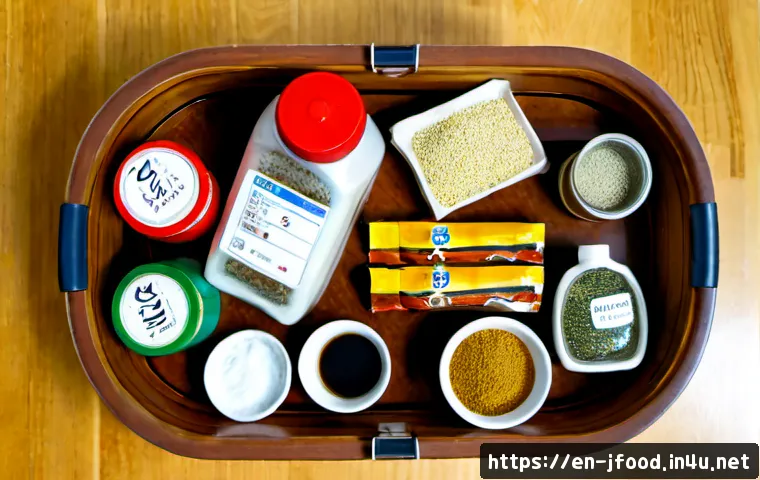
| Seasonings | Soy sauce, mirin, dashi, sugar | Balance sweet and savory, adjust to taste |
| Garnishes | Sesame seeds, pickled ginger, furikake | Add for texture and extra flavor |
Elevating Your Donburi Presentation
Choosing the Right Bowl and Utensils
A big part of enjoying donburi is how it’s presented. Using a deep, wide bowl helps showcase the layers and makes it easier to mix flavors while eating.
I’ve found that ceramic or porcelain bowls retain heat better, keeping the meal warm longer. Pairing the bowl with classic chopsticks or a soup spoon enhances the authentic experience.
Presentation isn’t just about looks; it affects how you engage with the dish, making it feel special even on a casual night.
Adding Color and Contrast with Garnishes
Visual appeal matters, especially when sharing your donburi creations with friends or family. Bright garnishes like thinly sliced scallions, vibrant pickled ginger, or a sprinkle of red shichimi togarashi spice add pops of color that make the dish irresistible.
Contrasting textures, such as crispy tempura flakes or crunchy sesame seeds, also make each bite more exciting. I always take a moment to add these finishing touches because they elevate the meal from everyday to memorable.
Pairing Donburi with Complementary Side Dishes
To round out your donburi meal, consider pairing it with light, refreshing sides. Miso soup is a classic companion, providing warmth and a gentle umami contrast.
Simple pickled vegetables or a seaweed salad add brightness and crunch that balance the richness of the main bowl. I’ve also enjoyed serving chilled edamame or a small cucumber sunomono salad to introduce acidity and freshness.
These sides not only complement donburi’s flavors but also create a well-rounded dining experience that feels complete and satisfying.
Wrapping Up
Donburi is a wonderfully versatile dish that combines simple ingredients into a comforting and flavorful meal. By focusing on quality rice, fresh proteins, and balanced seasonings, anyone can create a delicious bowl at home. Whether you stick to classic recipes or experiment with new toppings, the joy of donburi lies in its adaptability and soul-satisfying taste. With a few practice runs, you’ll find yourself reaching for donburi as a quick, nourishing go-to meal anytime.
Helpful Tips to Remember
1. Always rinse your rice thoroughly to achieve the perfect texture and prevent it from becoming mushy.
2. Choose fresh, high-quality proteins and marinate them to deepen the flavor profile of your donburi.
3. Simmer ingredients gently to infuse the broth’s umami without overcooking or drying out proteins.
4. Customize your donburi with garnishes and seasonings to suit your personal taste preferences.
5. Store components separately if you plan to keep leftovers and reheat gently for the best texture and flavor.
Key Takeaways
Mastering donburi revolves around balancing textures and flavors—from sticky, well-cooked rice to tender, flavorful proteins and fresh, vibrant vegetables. Patience in simmering and attention to seasoning ratios are essential to capture the dish’s signature harmony. Efficient meal prep and mindful storage help maintain quality for busy lifestyles. Ultimately, donburi’s charm lies in its endless adaptability, allowing you to craft a bowl that’s both nourishing and uniquely yours.
Frequently Asked Questions (FAQ) 📖
Q: uestions about DonburiQ1: What are the essential ingredients needed to make authentic donburi at home?
A: To create an authentic donburi bowl, you’ll want to focus on fresh, high-quality ingredients like short-grain Japanese rice, a good protein such as chicken, beef, or seafood, and flavorful toppings like soft-cooked eggs, scallions, and pickled vegetables.
The key is in the seasoning too—using soy sauce, mirin, and dashi broth helps replicate that signature umami-rich taste. Personally, I find that balancing these components with fresh produce really brings the dish to life without making it complicated.
Q: How long does it usually take to prepare a donburi meal from scratch?
A: One of the best things about donburi is how quick it is to prepare, making it perfect for busy weeknights. From start to finish, you’re looking at about 20 to 30 minutes if you have your ingredients ready.
The rice takes the longest, but you can save time by using a rice cooker or pre-cooked rice. Cooking the protein and assembling the bowl is straightforward and doesn’t require advanced skills, which is why I love making donburi when I want something satisfying but fast.
Q: Can donburi be customized for different dietary preferences or restrictions?
A: Absolutely! Donburi is incredibly versatile. For vegetarians, you can swap out meat for tofu, mushrooms, or a medley of grilled vegetables while still using the classic seasonings for flavor.
If you’re gluten-sensitive, just make sure to choose tamari or gluten-free soy sauce. I’ve also experimented with brown rice or cauliflower rice as healthier alternatives.
The beauty of donburi is that it’s a flexible base—you can tailor it to your taste and dietary needs without losing that comforting essence.