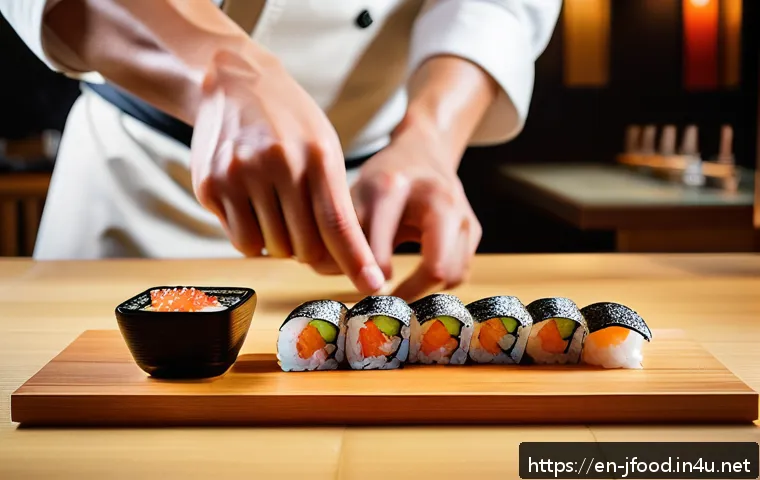
Sushi has become more than just a meal—it’s a cultural experience that continues to captivate food lovers worldwide. With the rising popularity of authentic Japanese dining, understanding sushi etiquette has never been more important.
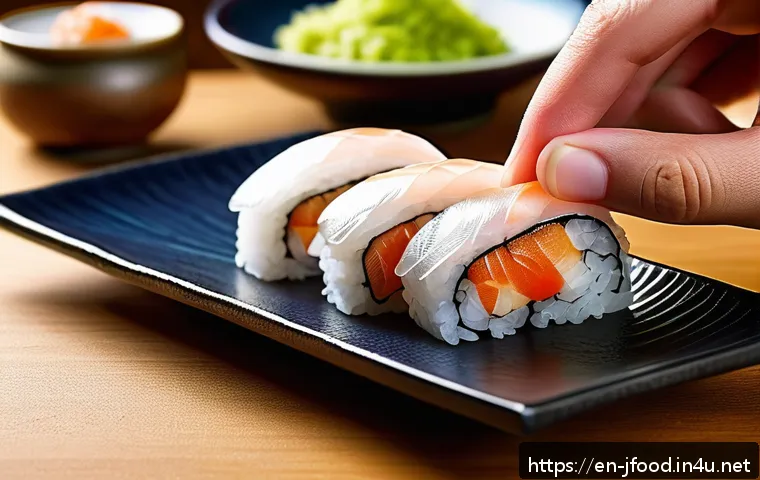
Whether you’re visiting a high-end sushi bar or enjoying a casual meal, mastering these subtle customs can elevate your dining experience and show respect to the chefs.
In this post, I’ll share practical tips and insights that I’ve picked up firsthand, helping you navigate sushi culture like a true pro. Stick around, and let’s dive into the art of enjoying sushi the right way!
Choosing and Handling Sushi Like a Connoisseur
Picking the Right Piece First
When you sit down at a sushi bar, the order in which you enjoy your sushi can actually influence your overall experience. It’s often recommended to start with lighter, more delicate flavors such as white fish or shellfish before moving on to richer, fattier options like salmon belly or toro.
This approach allows your palate to gradually adjust without overwhelming your taste buds early on. Personally, I’ve found that starting with a clean, subtle flavor sets a fresh tone for the rest of the meal and helps me appreciate each piece more deeply.
How to Properly Use Soy Sauce
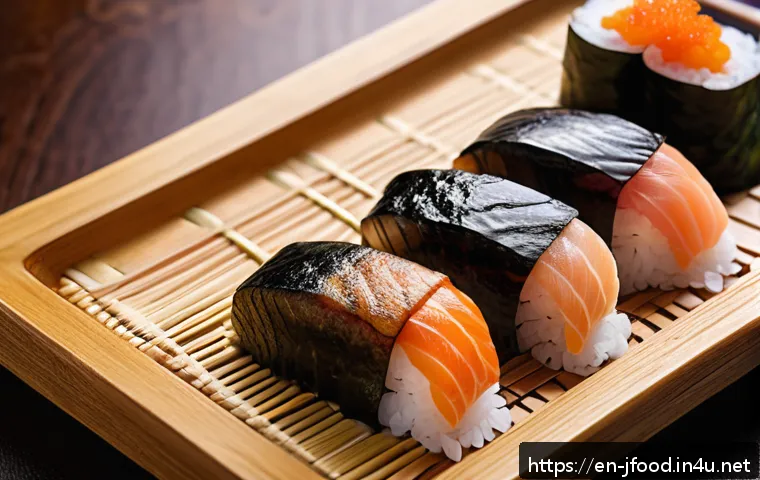
Dipping sushi in soy sauce is common, but there’s a subtle art to doing it right. Instead of dunking the rice side, which can cause it to fall apart and absorb too much soy sauce, gently tilt the sushi and dip only the fish part.
This not only preserves the texture but also respects the chef’s seasoning balance. I remember the first time I tried this technique at an authentic sushi bar; the flavor was perfectly balanced, and it felt like the chef’s intention was honored.
Handling Wasabi and Ginger
Wasabi and pickled ginger aren’t just condiments; they play specific roles in the sushi experience. Wasabi is traditionally placed between the fish and the rice by the chef, so adding extra isn’t always necessary.
Ginger, on the other hand, should be eaten between different types of sushi to cleanse the palate and prepare you for new flavors. I used to mix wasabi into my soy sauce, but after learning this, I appreciate the chef’s craftsmanship much more by tasting the sushi as intended.
Engaging with the Sushi Chef and Dining Atmosphere
Expressing Appreciation to the Chef
At an authentic sushi bar, the chef is often right in front of you, crafting each piece with precision. A simple “thank you” or “delicious” in Japanese—like “arigatou” or “oishii”—can go a long way in showing respect and building rapport.
I’ve noticed that when I engage warmly with the chef, the atmosphere becomes more personal and enjoyable, sometimes even leading to special recommendations or secret menu items.
Reading the Room: Sushi Bar Etiquette
Every sushi bar has its own vibe, from quiet and formal to lively and casual. Observing how others behave, such as how they order or interact with the chef, helps you blend in smoothly.
Avoid loud conversations or phone use, and try to pace yourself with the flow of the meal. My best dining experiences have come from simply soaking in the ambiance and matching my energy to the surroundings without rushing or lingering too long.
Seating and Ordering Tips
If you’re lucky enough to secure a seat at the sushi counter, it’s best to order directly with the chef or server, piece by piece or in small batches.
This allows the chef to prepare the freshest sushi and sometimes recommend what’s best that day. In contrast, ordering everything at once from a menu is more typical in casual settings.
I’ve found that ordering gradually not only enhances freshness but also keeps the meal dynamic and engaging.
Understanding Sushi Ingredients and Their Origins
Seasonality and Freshness Matter
Sushi is all about quality and seasonality. Certain fish and seafood are best enjoyed during specific months when their flavor and texture peak. For example, yellowtail is prized in winter, while uni (sea urchin) is often at its best in summer.
Knowing these details can help you appreciate the sushi more and even strike up interesting conversations with the chef. Personally, I always ask about seasonal specials because they highlight the chef’s expertise and the best ingredients available.
Farmed vs. Wild Seafood
There’s a growing conversation around farmed and wild-caught fish in sushi. While farmed fish can offer consistency and sustainability, some purists argue that wild fish have superior flavor profiles.
I’ve tasted both, and while farmed salmon is buttery and reliable, wild salmon often has a more complex, vibrant taste. Being aware of these distinctions can enhance your sushi knowledge and allow you to make informed choices.
Vegetarian and Alternative Sushi Options
Sushi isn’t just about fish. Many chefs now offer creative vegetarian or vegan sushi using ingredients like avocado, cucumber, pickled radish, and even tofu.
These options can be surprisingly satisfying and are great for those with dietary restrictions. I’ve tried several vegetarian rolls that were so thoughtfully crafted that they rivaled traditional sushi in flavor and texture, proving sushi’s versatility beyond raw fish.
Mastering Chopsticks and Other Utensils
Correct Chopstick Etiquette
Chopsticks might seem simple, but their use carries cultural significance. For example, sticking chopsticks upright in rice is a big no-no because it resembles a funeral ritual in Japan.
Passing food directly from one set of chopsticks to another is also considered taboo. From my experience, being mindful of these nuances not only shows respect but also helps avoid awkward moments at the table.
When to Use Hands Instead of Chopsticks
Believe it or not, eating sushi with your hands is perfectly acceptable, especially nigiri and maki rolls. Using your fingers can give you better control and prevent the rice from falling apart.
I was initially hesitant to try this, but once I did, it felt more connected and natural—almost like the sushi was meant to be enjoyed this way. Plus, it’s a great way to fully experience the texture and temperature.
Napkin and Soy Sauce Dish Use
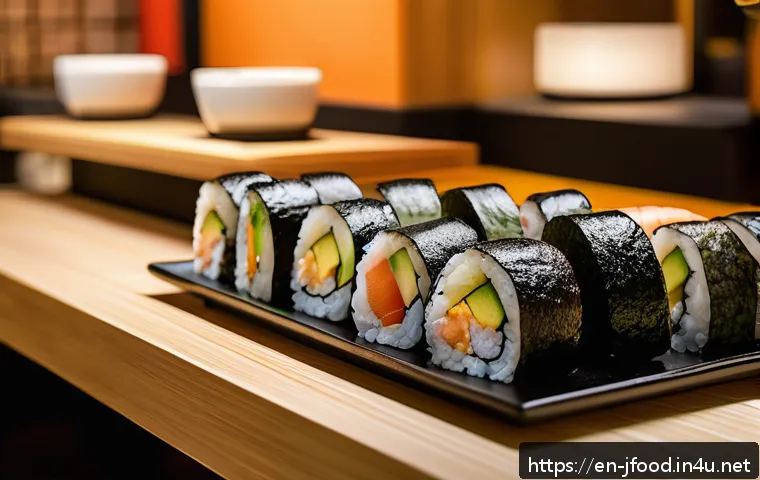
Keep your soy sauce dish neat by pouring only a small amount and avoid mixing wasabi directly into it unless the chef encourages it. Your napkin should be used discreetly to dab your mouth, not to wipe your hands or face loudly.
These small gestures make a big difference in maintaining the refined atmosphere of sushi dining. I’ve found that paying attention to these details makes me feel more confident and comfortable during the meal.
Common Mistakes and How to Avoid Them
Overloading with Soy Sauce and Wasabi
One of the most frequent missteps is drowning sushi in soy sauce or piling on too much wasabi, which can mask the delicate flavors. I used to do this out of habit but realized it was like putting ketchup on a gourmet steak—totally unnecessary and a bit disrespectful to the chef’s craft.
Moderation really is key, and tasting the sushi first before adding anything extra is a great rule of thumb.
Eating Sushi in the Wrong Order
Jumping straight to the richest or most intense flavors can overwhelm your palate early on, making lighter pieces less enjoyable. Following a natural progression from mild to bold flavors helps you savor each bite properly.
When I started following this advice, my appreciation for subtle tastes grew tremendously, and I ended up enjoying the meal much more.
Ignoring the Role of Ginger
Many people treat pickled ginger as a garnish to eat alongside sushi, but its real purpose is to cleanse the palate between different types of sushi. I once overlooked this and found my flavors blending together, which muddled the experience.
Now, I make it a point to eat a small piece of ginger before switching fish types, and it refreshes my palate wonderfully.
Exploring Sushi Pairings Beyond Tradition
Choosing the Right Drink
Sake is the classic companion to sushi, but there are many other drinks that pair beautifully. Light, crisp Japanese beers or green tea can enhance flavors without overpowering them.
I’ve also tried dry white wines like Sauvignon Blanc, which surprisingly complement sushi’s freshness. Experimenting with pairings adds another layer of enjoyment to the meal.
Incorporating Modern Twists
Contemporary sushi chefs often blend traditional techniques with innovative ingredients or presentation styles. This might include fusion rolls with international flavors or unique garnishes.
I’ve been amazed by how these creative approaches can still honor sushi’s roots while offering something new and exciting. It’s like tasting tradition through a fresh lens.
Balancing Texture and Flavor in Your Meal
Good sushi dining isn’t just about flavor but also about texture contrasts—crisp tempura bits, creamy avocado, firm fish, and sticky rice all play roles.
Being mindful of these elements can elevate your experience. When I pay attention to texture, I notice the chef’s skill in balancing ingredients to create harmony in every bite.
Quick Reference to Sushi Etiquette Essentials
| Aspect | Do’s | Don’ts |
|---|---|---|
| Soy Sauce | Dip fish side lightly | Soak rice side or over-dip |
| Wasabi | Trust chef’s placement | Mix excessively into soy sauce |
| Ginger | Eat between sushi pieces | Eat together with sushi |
| Chopsticks | Use properly, rest when not in use | Stick upright in rice or pass food chopstick-to-chopstick |
| Interaction | Thank the chef politely | Be loud or disrespectful |
| Eating Order | Start light, progress to rich flavors | Jump to heavy flavors first |
| Handling Sushi | Use hands or chopsticks as preferred | Break sushi apart |
Conclusion
Enjoying sushi like a connoisseur is about more than just taste; it’s about appreciating the craftsmanship, respecting traditions, and engaging with the experience fully. By paying attention to details like order, etiquette, and ingredient quality, your sushi meal becomes richer and more memorable. Whether you’re a seasoned fan or a curious beginner, these tips can deepen your connection to this timeless cuisine.
Helpful Tips to Remember
1. Always start your sushi meal with lighter flavors and progress to richer, fattier pieces to keep your palate balanced.
2. Dip only the fish side into soy sauce to preserve texture and flavor without overpowering the sushi.
3. Use pickled ginger between bites to cleanse your palate and fully enjoy each distinct flavor.
4. Don’t hesitate to eat nigiri with your hands; it often enhances control and the overall sensory experience.
5. Engage respectfully with the sushi chef; a simple compliment can enrich the atmosphere and sometimes lead to special offerings.
Key Takeaways
Mastering sushi etiquette enhances both the taste and the cultural experience. Moderation with soy sauce and wasabi respects the chef’s skill, while understanding ingredient seasonality adds depth to your appreciation. Embracing the natural flow of a sushi meal—from ordering piece by piece to pacing yourself with the atmosphere—turns dining into an art form rather than just a meal. Finally, being mindful of utensil use and social cues helps you enjoy sushi confidently and authentically.
Frequently Asked Questions (FAQ) 📖
Q: What is the proper way to eat sushi to show respect to the chef?
A: When enjoying sushi, it’s best to eat each piece in one bite to appreciate the chef’s balance of flavors. Use your hands or chopsticks—both are acceptable, but hands are traditional for nigiri.
Avoid dipping the rice directly into soy sauce, as this can cause it to fall apart and alter the intended taste. Instead, lightly dip the fish side. Also, try to eat sushi promptly after it’s served to experience it at its freshest.
These small gestures demonstrate appreciation for the chef’s craftsmanship and elevate your dining experience.
Q: Is it okay to mix wasabi into soy sauce?
A: Traditionally, mixing wasabi into soy sauce is frowned upon in authentic sushi settings because it dilutes the flavors and can overpower the subtle taste the chef has crafted.
Instead, if you want extra wasabi, gently add a small amount directly onto the fish. Personally, I found that this approach lets me enjoy the delicate balance of flavors more fully without overwhelming the palate.
Remember, sushi chefs often already season the sushi with the perfect amount of wasabi.
Q: How should I interact with the sushi chef at a high-end sushi bar?
A: Engaging politely and respectfully with the sushi chef enhances the experience. It’s common to greet them with a simple “Hello” or “Thank you” in Japanese, like “Konnichiwa” or “Arigatou.” Feel free to ask questions about the fish or recommendations; most chefs appreciate genuine curiosity.
However, avoid demanding specific dishes or making excessive modifications. From my visits, I’ve learned that showing trust in the chef’s expertise and savoring their selections creates a warm connection and a memorable meal.