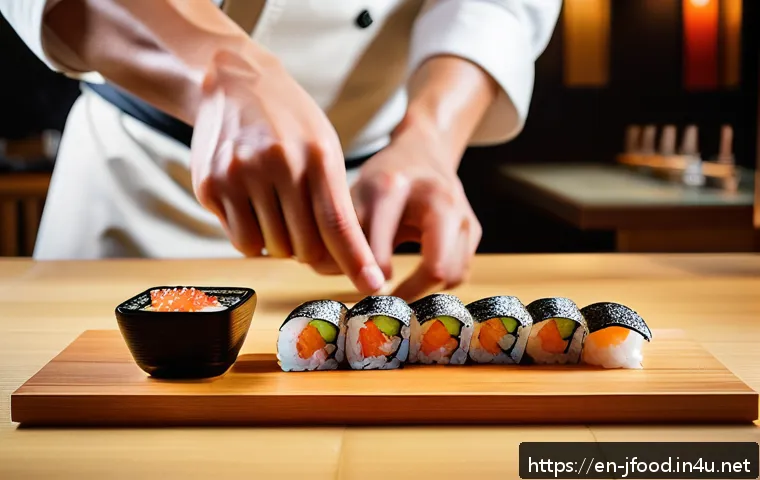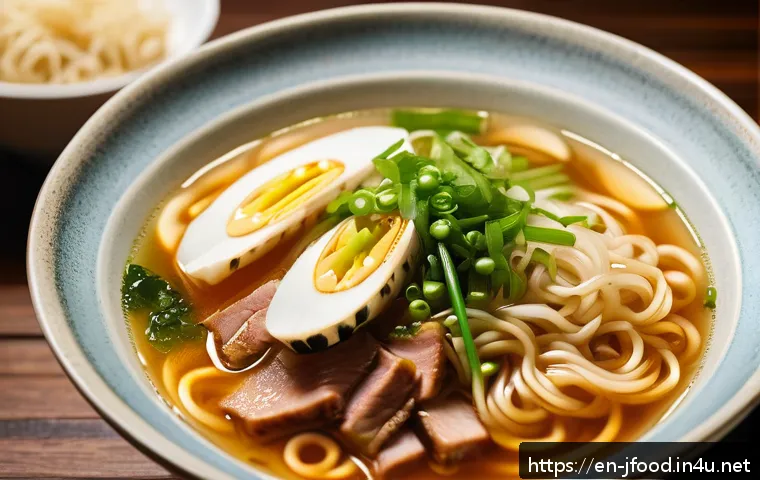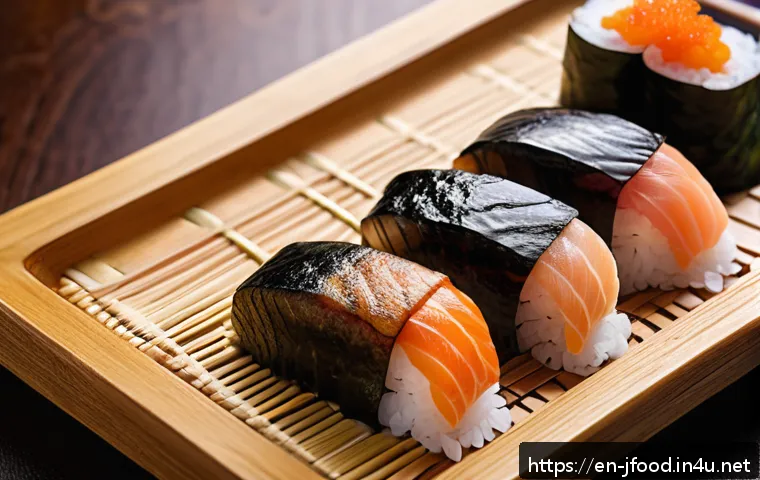
When it comes to savoring authentic Japanese home-style cooking, nothing beats the comforting flavors and heartfelt simplicity that these dishes bring to the table.
From perfectly simmered miso soups to tender, juicy karaage chicken, Japanese home cooking offers a delightful escape from everyday meals. Whether you’re a foodie looking for hidden gems or someone eager to explore the soul of Japan through its food, discovering the best spots serving these traditional meals can be a game-changer.
These eateries often blend tradition with a cozy atmosphere, making every bite feel like a warm hug from a Japanese kitchen. Ready to dive into the world of genuine Japanese home cooking?
Let’s explore the details together!
Uncovering the Heart of Japanese Home Cooking
The Essence of Traditional Flavors
When you dive into Japanese home cooking, what strikes you first is the delicate balance of flavors crafted with simplicity and care. Unlike the bold, flashy dishes often found in restaurants, home-style meals focus on harmony—subtle dashi broths, gentle seasoning with soy sauce and miso, and fresh seasonal vegetables.
I’ve noticed that this approach not only makes the food comforting but also incredibly nourishing. It’s the kind of meal that makes you feel grounded and cared for, almost like a culinary embrace from the cook’s own kitchen.
The beauty lies in the fact that these dishes are rarely complicated but always satisfying, with each bite revealing layers of tradition and thoughtfulness.
Atmosphere That Feels Like Home
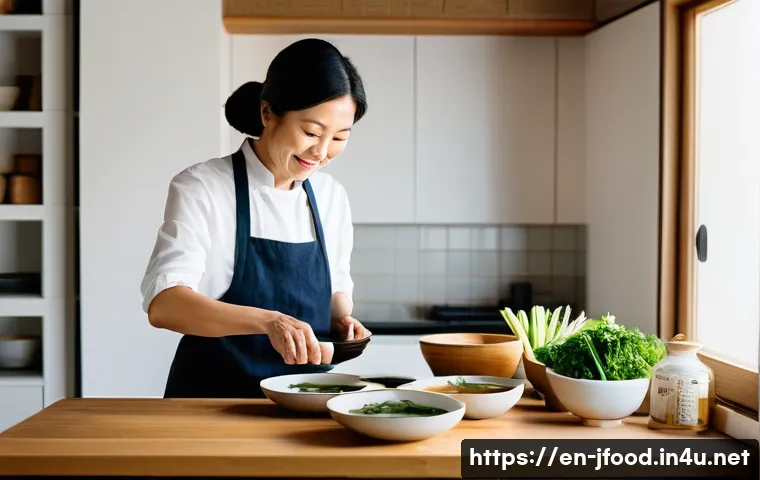
What really sets these spots apart is the atmosphere. Walking into one of these eateries, you’re often greeted with a cozy, unpretentious vibe—small wooden tables, handwritten menus, and the gentle hum of quiet chatter.
It’s as if you’re stepping into someone’s home rather than a restaurant. I remember visiting a tiny place tucked away in a quiet neighborhood where the owner personally served us, sharing stories about the recipes passed down through generations.
That personal touch, combined with the comforting food, made the experience unforgettable. It’s not just about eating; it’s about feeling connected to a culture that values warmth and hospitality.
Signature Dishes You Can’t Miss
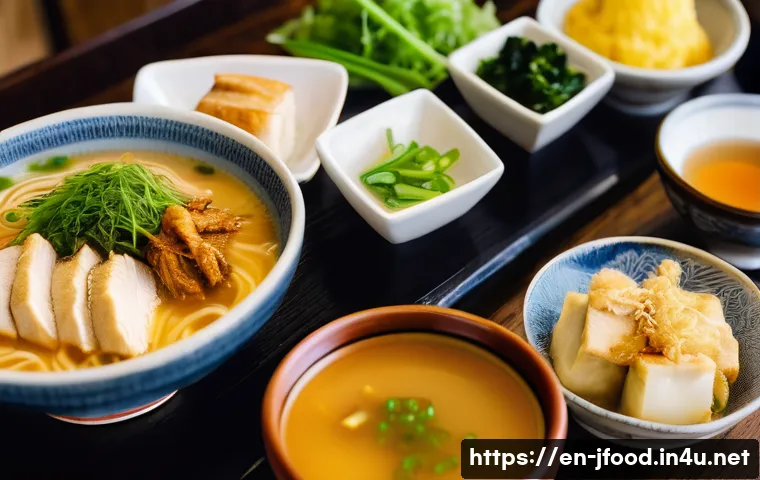
A few dishes stand out as must-tries when exploring Japanese home cooking. Miso soup, for example, is far from just a simple starter here—it’s a bowl of umami magic simmered with seasonal ingredients like tofu, wakame, and fresh scallions.
Then there’s karaage, the golden-fried chicken that’s juicy inside with a crispy coating, often served with a wedge of lemon and homemade dipping sauce.
Other staples include nikujaga (meat and potato stew), tamagoyaki (rolled omelet), and various pickled vegetables that add a refreshing contrast. Each dish tells a story of daily life and tradition, lovingly prepared to nourish both body and soul.
Locating Hidden Gems for Authentic Japanese Home Meals
Neighborhood Niches Over Tourist Traps
If you’re hunting for the real deal, skip the flashy tourist spots and head to residential neighborhoods. These local eateries thrive on word-of-mouth and often don’t advertise much online, making them a bit of a treasure hunt.
From my experience, the best way to find them is by exploring side streets, looking for places crowded with locals or ones with a simple menu written on a chalkboard.
These spots might not have the biggest storefronts, but the food inside speaks volumes about authenticity. The friendly owners and regular patrons create a welcoming atmosphere that feels like you’ve stumbled upon a secret slice of Japan.
Timing Your Visit for Freshness
Many Japanese home-style eateries serve seasonal menus, so timing your visit right can make a huge difference. I’ve found that going during lunch hours often offers the freshest and most affordable options.
Some places even have daily specials based on what’s available at local markets. For instance, in spring, you might find dishes featuring bamboo shoots and fresh greens, while autumn menus highlight mushrooms and hearty stews.
This seasonality ensures you’re tasting ingredients at their peak, which adds depth and vibrancy to every dish.
Using Local Markets as a Clue
Often, the best home-style restaurants are located near farmers’ markets or fish markets. After all, Japanese home cooking celebrates fresh, high-quality ingredients.
When I explored areas near such markets, I noticed many small eateries sourcing their produce and fish directly from vendors. This connection ensures freshness and supports local producers, which you can taste in the dishes served.
So, if you want an authentic experience, try combining a morning market visit with lunch at a nearby family-run restaurant—this duo guarantees a genuine, flavorful meal.
Understanding the Staples: Ingredients and Cooking Techniques
Core Ingredients That Define the Flavor
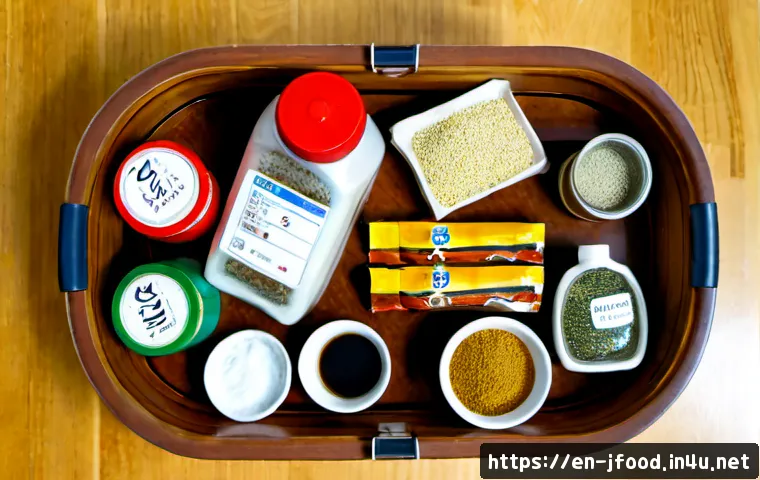
Japanese home cooking relies on a handful of core ingredients that create its signature taste. Soy sauce, miso paste, mirin, sake, and dashi stock form the backbone of many recipes.
From my attempts at cooking these dishes myself, I’ve learned that the quality of these ingredients profoundly affects the final flavor. For example, a rich kombu and bonito dashi can transform a simple miso soup into a deeply savory delight.
Fresh vegetables like daikon radish, eggplant, and various leafy greens also play a crucial role, often simmered or pickled to complement the main dishes.
Techniques That Preserve Tradition
Home cooks in Japan often use techniques passed down for generations, focusing on gentle simmering, slow braising, and precise knife skills. One fascinating method I encountered is the art of “nimono,” which involves simmering ingredients slowly in seasoned broth to absorb flavors fully.
This technique takes patience but rewards you with tender, flavorful dishes. Similarly, “agemono” (deep-frying) is applied carefully to avoid greasiness, producing light and crispy textures like in karaage.
These techniques highlight the respect for ingredients and the desire to bring out their best qualities without overwhelming them.
Balancing Nutrition and Taste
What impresses me most about Japanese home cooking is how well it balances health and flavor. Meals typically include a mix of carbohydrates, protein, and vegetables, ensuring nutritional completeness.
For instance, a typical meal might have steamed rice, miso soup, a protein dish like grilled fish or karaage, and several small vegetable sides, often pickled or lightly dressed.
This balance isn’t accidental; it reflects a deep cultural understanding of wholesome eating. As someone who enjoys both cooking and eating mindfully, I appreciate how these meals satisfy cravings without feeling heavy or excessive.
Essential Dishes That Define Home Cooking
Miso Soup: More Than Just a Starter
Miso soup is a cornerstone of Japanese meals, but it’s so much more than a mere side dish. The depth of umami comes from carefully brewed dashi and the fermented miso paste.
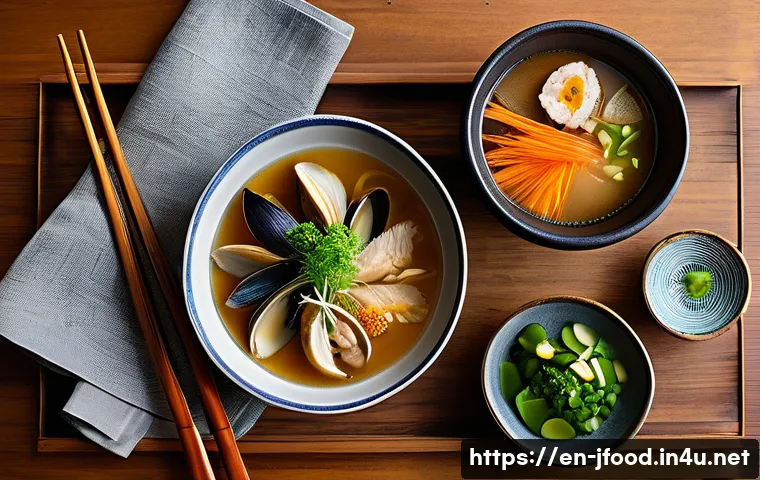
I’ve tasted versions with clams, tofu, seaweed, and seasonal vegetables, each bringing a unique character. What’s incredible is how this simple soup can instantly warm you up and prepare your palate for the meal ahead.
It’s a perfect example of how home cooking elevates humble ingredients into something memorable and heartwarming.
Karaage: Crispy, Juicy, and Irresistible
Karaage, or Japanese fried chicken, is often the star of a home-cooked meal or a casual dining spot. The secret, I’ve found, is in the marinade—a mix of soy sauce, ginger, and garlic that seeps into the chicken before it’s fried to golden perfection.
The texture is key: a crispy exterior that gives way to moist, tender meat inside. Every bite feels like a celebration of comfort food. It’s no wonder this dish has become a favorite not just in Japan but worldwide among food lovers craving authentic flavors.
Nikujaga: The Ultimate Comfort Stew
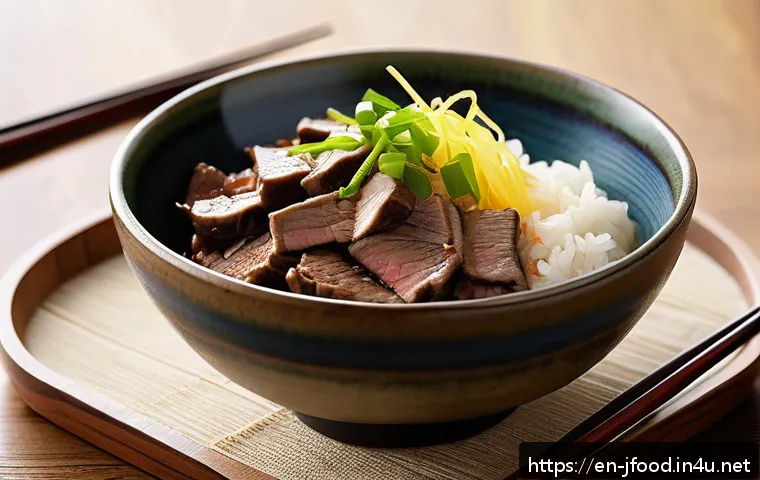
Nikujaga is a hearty stew made with thinly sliced beef, potatoes, onions, and carrots simmered in a sweet-savory broth of soy sauce, sugar, and mirin.
From my experience, it’s the kind of dish that fills your kitchen with a nostalgic aroma and makes you feel instantly at home. It’s often considered the ultimate “mom’s cooking” dish, embodying warmth and simplicity.
The softness of the potatoes paired with tender beef chunks creates a perfect balance of texture and taste, making it a must-try for anyone exploring Japanese home-style meals.
Comparing Popular Home-Cooked Japanese Dishes
| Dish | Main Ingredients | Flavor Profile | Typical Serving Style |
|---|---|---|---|
| Miso Soup | Miso paste, dashi, tofu, wakame, scallions | Umami-rich, slightly salty, savory | Served hot as a starter or side |
| Karaage | Chicken, soy sauce, ginger, garlic, potato starch | Crispy, juicy, savory with a hint of sweetness | Served hot with lemon and dipping sauce |
| Nikujaga | Beef, potatoes, onions, carrots, soy sauce, mirin | Sweet-savory, hearty, comforting | Served warm as a main dish with rice |
| Tamagoyaki | Eggs, sugar, soy sauce, mirin | Sweet, soft, slightly savory | Served sliced as a side or breakfast item |
| Pickled Vegetables (Tsukemono) | Cucumber, daikon, eggplant, salt, vinegar | Sour, salty, refreshing | Served as a palate cleanser or side dish |
The Role of Seasonality in Japanese Home Meals
Embracing Seasonal Ingredients
One of the most fascinating aspects of Japanese home cooking is the deep respect for seasonality. Dishes change with the seasons to highlight the freshest, most flavorful ingredients available.
For example, in spring, you might find meals featuring bamboo shoots and wild greens, while autumn brings mushrooms and root vegetables to the forefront.
This practice not only ensures optimal taste but also connects the cook and diner to the natural rhythms of the year. I’ve found that eating seasonally like this makes each meal feel special and unique, reflecting the time and place it was prepared.
Adapting Recipes to Seasonal Produce
Home cooks often tweak classic recipes based on what’s fresh and abundant. For instance, a simple miso soup might be enhanced with fresh clams in early summer or hearty kabocha squash in fall.
This adaptability keeps the cuisine dynamic and exciting. Personally, I’ve tried recreating these seasonal adjustments in my kitchen, and it’s amazing how much even small changes in ingredients can transform a familiar dish into something new and delicious.
It’s a reminder that home cooking is as much about creativity and connection to nature as it is about tradition.
Seasonal Events and Special Dishes
Certain times of the year call for special dishes that go beyond everyday meals. For example, during New Year’s celebrations, families prepare osechi-ryori, a variety of beautifully arranged foods symbolizing luck and prosperity.
While not everyday fare, these meals showcase the cultural significance of food in marking important moments. Throughout the year, festivals and seasonal events influence home cooking, encouraging families to prepare dishes that honor nature, tradition, and togetherness.
This seasonal rhythm adds layers of meaning to the Japanese home dining experience.
Essential Tips for Enjoying Authentic Japanese Home Dining Experiences
Engage With the Locals
One thing I’ve learned is that the best way to truly appreciate Japanese home cooking is to engage with the people behind it. Whether it’s chatting with a restaurant owner or a friendly local recommending their favorite spot, these interactions enrich your meal beyond just the food.
Locals often share stories about recipes, ingredient sourcing, and family traditions that bring the dishes to life. I remember how a simple conversation led me to discover a hidden gem that wasn’t listed anywhere online—a small eatery serving some of the most authentic nikujaga I’ve ever tasted.
Be Open to Trying New Flavors
Japanese home cooking includes flavors and textures that might be unfamiliar at first—fermented foods, pickled vegetables, and dishes with subtle seasoning.
Approaching these with an open mind enhances your experience. For example, I was initially hesitant about natto (fermented soybeans), but after trying it in a homey setting, I appreciated its unique taste and texture as part of the broader culinary culture.
Being adventurous allows you to uncover the soul of these meals and discover personal favorites you might not have expected.
Pair Your Meal Thoughtfully
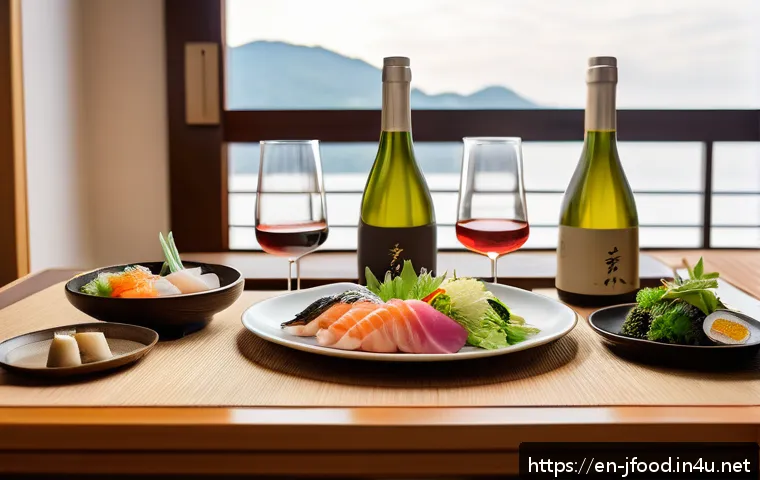
To fully enjoy Japanese home-style meals, thoughtful pairing is key. Traditionally, a bowl of steamed rice accompanies almost every dish, providing a neutral base that balances flavors.
Green tea or a light sake can complement the meal without overpowering the subtle tastes. When I tried pairing karaage with a crisp beer, it elevated the experience, cutting through the richness perfectly.
These small but deliberate choices make the meal more enjoyable and authentic, reflecting how Japanese home cooking is as much about harmony as it is about flavor.
Exploring Regional Variations in Home Cooking
Differences Between East and West Japan
Japanese home cooking varies significantly by region, shaped by local ingredients and cultural preferences. In eastern Japan, meals tend to be saltier and use more soy sauce, while western Japan favors sweeter flavors with more use of mirin and sugar.
For example, a tamagoyaki from Osaka (west) is noticeably sweeter than one from Tokyo (east). I experienced this firsthand when traveling across regions, realizing how these subtle differences reflect the diverse culinary landscape of Japan.
Understanding these nuances adds depth to your appreciation of home-style dishes.
Coastal vs. Inland Influences
Geography also plays a big role in shaping home cooking styles. Coastal areas emphasize fresh seafood, often serving grilled fish, sashimi, or fish-based broths.
Inland regions rely more on mountain vegetables, tofu, and hearty stews. On a trip to a coastal town, I was amazed at the freshness of the fish dishes, while in mountainous areas, the food felt more rustic and filling.
These distinctions highlight how home cooking is deeply connected to the environment, making each region’s food unique and worth exploring.
Local Specialties That Shine at Home
Many regions have signature home-cooked dishes that locals treasure. For instance, Hiroshima is famous for its okonomiyaki, a savory pancake layered with ingredients, while Kyoto offers delicate, vegetable-focused dishes reflecting its temple cuisine heritage.
Sampling these specialties in a home-style setting reveals the pride and tradition behind each recipe. When I tried a homemade Kyoto-style meal, the subtle flavors and elegant presentation left a lasting impression, showing how regional pride influences home cooking in beautiful ways.
In Conclusion
Japanese home cooking offers a comforting and nourishing experience rooted in tradition and simplicity. It celebrates seasonal ingredients, balanced flavors, and heartfelt preparation that connects people to culture and community. Exploring these dishes provides not only delicious meals but also meaningful insights into Japan’s rich culinary heritage. Whether through humble miso soup or savory nikujaga, every bite tells a story of warmth and care.
Useful Information to Keep in Mind
1. Authentic Japanese home-style meals are best found in local neighborhoods rather than tourist-heavy areas, offering genuine flavors and a welcoming atmosphere.
2. Seasonal ingredients play a key role in the cuisine, so timing your visit or cooking around local produce enhances freshness and taste.
3. Engaging with locals can enrich your dining experience, revealing stories and traditions behind each dish.
4. Regional differences affect flavor profiles and ingredients, so trying dishes from various parts of Japan reveals a diverse culinary landscape.
5. Thoughtful pairing with rice, tea, or sake complements the subtle flavors and enhances overall enjoyment of the meal.
Key Takeaways
Japanese home cooking is all about simplicity, seasonality, and balance, combining fresh ingredients with time-honored techniques to create nourishing, flavorful meals. Prioritizing local, authentic eateries and embracing regional specialties will deepen your appreciation for this cuisine. Remember to stay open-minded to new tastes and connect with the culture through the people and stories behind each dish, making your experience truly unforgettable.
Frequently Asked Questions (FAQ) 📖
Q: What makes Japanese home-style cooking different from restaurant dishes?
A: Japanese home-style cooking, often called “washoku,” focuses on simple, seasonal ingredients prepared with care and balance. Unlike restaurant dishes that may emphasize presentation or bold flavors, home cooking prioritizes comfort and nutrition, with recipes passed down through generations.
When I tried making miso soup at home, I noticed how the subtle layers of flavor create a soothing, familiar taste that feels nurturing rather than flashy.
It’s all about the warmth and heart behind the food, making every meal feel personal and satisfying.
Q: Where can I find authentic Japanese home-style meals outside Japan?
A: Finding genuine Japanese home-style food abroad can be a bit tricky, but your best bet is to look for small, family-run eateries or specialty izakayas that highlight traditional recipes.
In cities with large Japanese communities, like Los Angeles, New York, or London, these spots often serve dishes like karaage chicken or nikujaga stew made from authentic techniques.
I’ve found that asking locals or checking foodie forums helps uncover hidden gems where the atmosphere feels cozy and the food tastes just like mom’s cooking in Japan.
Q: How can I recreate authentic Japanese home cooking flavors at home?
A: To capture the true essence of Japanese home cooking, start with quality ingredients like fresh dashi stock, miso paste, and seasonal vegetables. Don’t rush the simmering process—many dishes gain depth by slow cooking and layering flavors.
When I first tried making karaage at home, marinating the chicken overnight made all the difference in tenderness and juiciness. Also, keep the seasoning balanced; Japanese home meals tend to avoid overpowering saltiness or sweetness, aiming instead for harmony that feels natural and comforting.