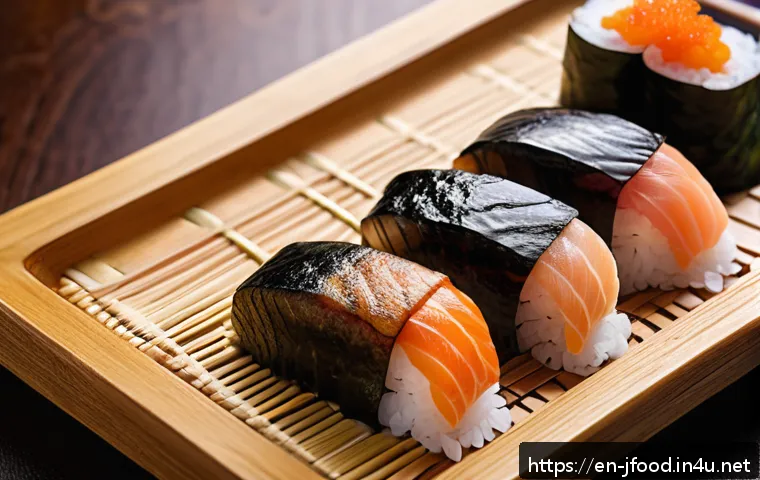
With sushi’s rising popularity and the surge of home chefs eager to recreate authentic flavors, nailing the perfect rice-to-fish ratio has never been more essential.
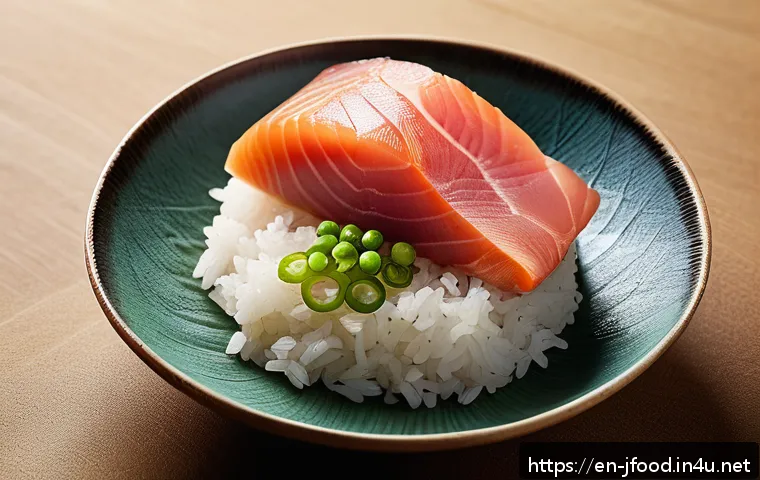
Recently, food enthusiasts are diving deeper into the art of sushi, seeking that flawless balance that elevates every bite. Whether you’re crafting nigiri or sashimi, understanding this key ratio transforms your sushi experience from ordinary to extraordinary.
Stick around as I share insights that helped me master this delicate balance, ensuring each piece bursts with harmony and taste. Ready to impress your friends with sushi that tastes like it came straight from Tokyo?
Let’s get started!
Finding the Sweet Spot Between Rice and Fish
Why the Balance Matters More Than You Think
Getting the rice-to-fish ratio right isn’t just a technical detail—it’s the backbone of sushi that truly sings. When you overload the rice, the subtle flavors of the fish get lost, making each bite feel heavy and bland.
On the flip side, too much fish without enough rice can feel like eating sashimi with a side of fluff rather than a harmonious bite. From my own kitchen experiments, I’ve found that the ideal balance lets the rice provide a gentle, slightly tangy base that elevates the fish’s natural sweetness and texture.
This balance is what transforms sushi from just a snack to an experience.
How Different Sushi Styles Influence Your Ratio
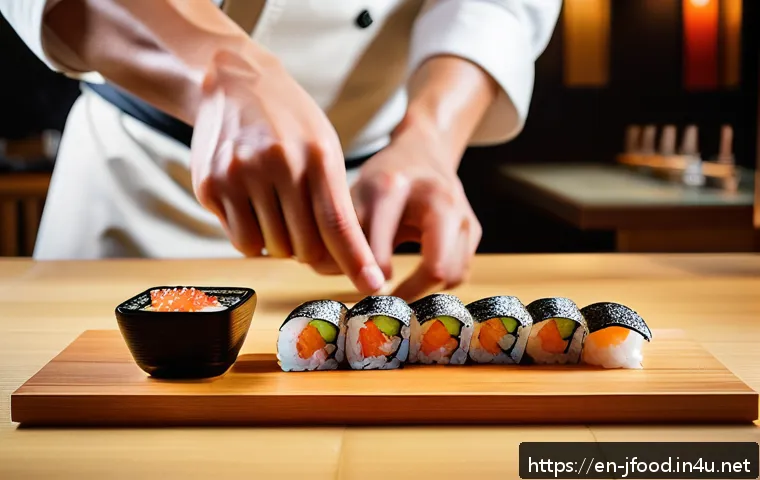
Not all sushi is created equal, and the rice-to-fish ratio shifts depending on what you’re making. For nigiri, the rice acts as a supportive bed, so the fish should slightly outweigh the rice—typically around a 1:1.2 ratio by weight.
For maki rolls, the rice tends to dominate to hold the roll together, so the fish portion is smaller. And sashimi? No rice at all, but understanding this helps you appreciate how rice complements fish in other sushi forms.
When I first started, I struggled with these nuances, but once I adjusted ratios per style, the quality of my sushi skyrocketed.
Common Mistakes That Throw Off the Balance
One trap I fell into early on was using too sticky or overcooked rice, which made the sushi clunky and overwhelmed the fish. Another rookie mistake is cutting fish too thick or too thin, which drastically changes how much rice you need.
Also, ignoring the moisture content of the fish can throw off the texture balance. For example, fattier fish like salmon pair better with slightly less rice, while leaner fish like tuna can handle a bit more.
Paying attention to these details makes your sushi not only taste better but also look more professional.
Mastering Rice Texture for Perfect Sushi
The Role of Rice Variety and Preparation
Choosing the right rice is the foundation of sushi success. Short-grain Japanese rice is king because of its stickiness and ability to hold shape without being mushy.
When I switched from generic medium-grain rice to authentic sushi rice, the difference was night and day. Cooking technique matters too—rinse the rice thoroughly until the water runs clear to remove excess starch, which prevents clumping.
I always soak the rice for about 30 minutes before cooking to ensure even hydration. These small steps make the rice fluffy yet sticky, ready to cradle the fish perfectly.
Seasoning: The Secret to Flavorful Sushi Rice
Sushi rice isn’t just plain rice; it’s seasoned with a blend of rice vinegar, sugar, and salt that gives it that signature tang and subtle sweetness. I usually start with a ratio of about 5 tablespoons of rice vinegar, 3 tablespoons sugar, and 1 teaspoon salt per 2 cups of cooked rice, adjusting to taste.
Applying the seasoning while the rice is still warm but not hot helps it absorb evenly. Tossing the rice gently with a wooden spatula keeps the grains intact.
This seasoning step is crucial because it balances the natural flavors of the fish and adds depth to each bite.
How to Test Your Rice for the Ideal Sushi Feel
You know your sushi rice is perfect when it’s sticky enough to hold shape but not so sticky that it clumps into a dense ball. When I press the rice lightly between my fingers, it should hold together but break apart easily when eaten.
If it’s too dry, the rice crumbles; too wet, and it’s gummy. Another trick I learned is to cool the rice to just above room temperature before using—it enhances flavor and texture.
The right texture makes forming nigiri or rolls effortless and results in a pleasant mouthfeel.
Choosing Fish Cuts That Complement Your Rice
Thickness and Size Matter More Than You Think
The way you slice your fish directly influences the rice ratio and overall sushi experience. I prefer cutting my fish slices about ¼ inch thick for nigiri; this thickness provides a satisfying bite without overpowering the rice bed.
Thinner slices tend to get lost in the rice, while thicker ones can dominate the texture and flavor. When working with oily fish like salmon, slightly thinner cuts work better to prevent heaviness.
For lean fish like yellowtail, a bit more thickness enhances mouthfeel. This slicing balance was a game-changer in my sushi-making journey.
Matching Fish Texture to Rice Density
Certain fish textures pair better with different rice consistencies. For example, tender, buttery fish like toro calls for slightly softer rice to avoid a clash of textures.
Firmer fish, such as snapper, benefits from slightly denser rice for better support. I experimented by adjusting how much I compact the rice depending on the fish I use, and it really elevated the harmony between the two components.
This subtle adjustment lets the fish’s texture shine without the rice feeling like an afterthought.
Freshness: The Ultimate Factor in Flavor Balance
No matter how perfect your rice-to-fish ratio is, using fish that isn’t fresh ruins the experience. I always source fish from trusted suppliers with same-day freshness guarantees.
Fresh fish has a clean aroma, firm flesh, and vibrant color—all essential to balance with the rice. If the fish is even slightly off, the sushi tastes dull or unpleasant, regardless of how well the rice is prepared.
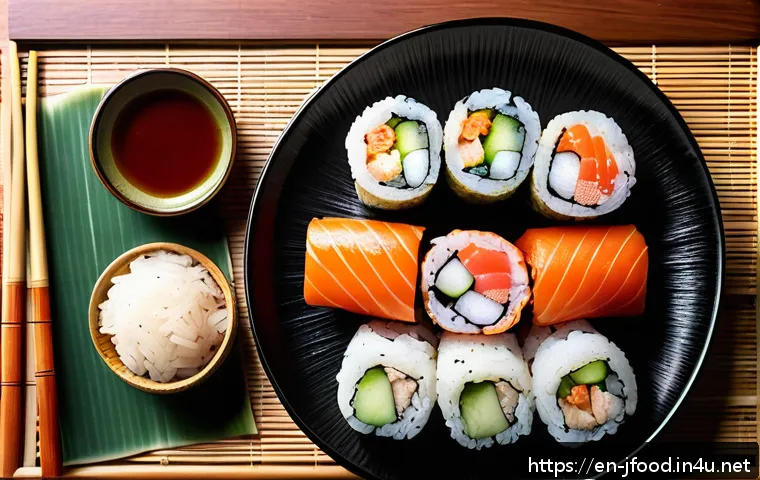
Freshness is non-negotiable in sushi, and it’s the secret ingredient to that authentic Tokyo sushi vibe.
Techniques for Forming Sushi That Holds Together
The Art of Gentle Pressure
When shaping nigiri, applying just the right amount of pressure is crucial. Too much pressure and the rice becomes dense and heavy; too little and the sushi falls apart.
From personal experience, I press just enough to bind the grains without crushing them—about a gentle squeeze with my fingertips. This technique ensures that the sushi holds its shape when dipped in soy sauce but still melts in your mouth.
Mastering this balance took me several tries but became second nature once I got it right.
Using the Right Tools to Shape Sushi
While hands are the primary tool for forming sushi, using a bamboo mat for rolls and a rice paddle for scooping helps maintain consistency. I keep a bowl of water nearby to wet my fingers, preventing rice from sticking and making shaping easier.
The bamboo mat adds gentle compression to maki rolls without squashing the filling. These little tools make a big difference in achieving professional-looking sushi that stays intact through serving and eating.
How Temperature Affects Sushi Formation
Rice temperature plays a surprising role in how easily you can shape sushi. Warm rice is more malleable but sticky, while cooled rice is firmer but can dry out.
I found that working with rice at about 30-35°C (86-95°F) gives the best balance for shaping nigiri. If the rice is too hot, it’s hard to handle and can partially cook the fish, which you definitely want to avoid.
If too cold, it crumbles and doesn’t stick well. Paying attention to temperature helps every piece hold together beautifully.
Adjusting Ratios for Different Sushi Occasions
Casual Home Sushi vs. Restaurant-Style Precision
When making sushi casually at home, I tend to be a bit more generous with rice to keep things simple and filling. However, when aiming for that restaurant-quality presentation, I dial in the rice-to-fish ratio more precisely, often weighing ingredients for consistency.
This attention to detail creates a refined balance that impresses guests. From my experience, understanding the occasion helps you decide how rigidly to follow ratios without losing the joy of sushi-making.
Scaling Up for Parties Without Losing Quality
Preparing sushi for a crowd is a whole different ballgame. I’ve found that maintaining the right rice-to-fish ratio at scale requires pre-measuring portions and prepping ingredients ahead of time.
Using a small kitchen scale to portion rice balls and fish slices keeps everything consistent, even when making dozens of pieces. This method prevents rushed or uneven sushi that can happen when you try to eyeball portions under pressure.
Planning is key to delivering sushi that tastes as good as it looks, no matter the size of your gathering.
Customizing Ratios Based on Personal Preference
Ultimately, sushi is a personal experience, and the “perfect” ratio can vary from person to person. Some prefer more rice for a filling bite, while others want the fish to shine with minimal rice.
I encourage experimenting with ratios in small batches to find what suits your palate best. I recall hosting a sushi night where everyone tried their own preferred ratio, sparking lively conversation and appreciation for how this simple adjustment changes the sushi vibe.
It’s a fun way to engage friends and refine your skills together.
Rice and Fish Ratio Quick Reference
| Sushi Type | Typical Rice-to-Fish Weight Ratio | Texture Notes | Best Fish Types |
|---|---|---|---|
| Nigiri | 1 : 1.2 (rice : fish) | Rice slightly firm, fish tender | Tuna, Salmon, Yellowtail |
| Maki Rolls | 2 : 1 (rice : fish) | Rice dominant, fish thinly sliced | Cucumber, Crab, Tuna |
| Sashimi | 0 : 1 (no rice) | Pure fish texture | Toro, Snapper, Octopus |
| Temaki (Hand Rolls) | 1.5 : 1 (rice : fish) | Rice firm but loose enough to eat by hand | Salmon, Eel, Crab |
In Conclusion
Mastering the balance between rice and fish is essential to creating sushi that delights both the palate and the eye. It takes practice to understand how different styles and ingredients influence this ratio, but the results are truly rewarding. With attention to detail and a little experimentation, you can elevate your sushi-making from simple to spectacular. Remember, it’s all about harmony and letting each element shine in perfect partnership.
Helpful Tips to Remember
1. Always use authentic short-grain sushi rice and rinse it thoroughly to achieve the ideal texture.
2. Adjust the rice-to-fish ratio depending on the type of sushi you’re making to maintain balance.
3. Pay close attention to the thickness and freshness of your fish for the best flavor and mouthfeel.
4. Use gentle pressure when forming nigiri to keep the rice light yet cohesive.
5. Experiment with ratios based on personal taste, especially when hosting or scaling up your sushi preparation.
Key Takeaways
Finding the perfect rice-to-fish ratio is a fundamental skill that influences the overall sushi experience. Selecting the right rice variety and seasoning it properly sets the stage for harmony with the fish. Cutting fish with the right thickness and ensuring freshness are equally vital. Additionally, mastering sushi shaping techniques and adjusting for different occasions helps maintain quality and consistency. Keep these essentials in mind to consistently craft sushi that impresses both in flavor and presentation.
Frequently Asked Questions (FAQ) 📖
Q: uestionsQ1: What is the ideal rice-to-fish ratio for making perfect nigiri sushi?
A: The ideal ratio typically ranges around 2:1 by volume, meaning about twice as much sushi rice as fish. This balance ensures that the rice supports the fish without overpowering it, allowing the natural flavors of both to shine.
From my experience, if the rice is too much, it can mask the delicate taste of the fish, but if there’s too little rice, the nigiri feels unbalanced and less satisfying.
Adjusting this ratio slightly depending on the fish type and personal preference can make a big difference in achieving that authentic Tokyo-style nigiri.
Q: How can I prevent the rice from becoming too sticky or too dry when making sushi at home?
A: Achieving the perfect sushi rice texture is all about careful rinsing and proper seasoning. Rinse your rice thoroughly under cold water until the water runs clear to remove excess starch, which helps prevent it from becoming overly sticky.
Cook the rice with the right water ratio—usually 1:1.1 rice to water by volume—and let it rest covered after cooking. Season it gently with sushi vinegar while the rice is still warm, folding it carefully to avoid smashing the grains.
I found that using a wooden paddle and a shallow bowl helps cool the rice evenly and keeps the texture just right for molding nigiri or rolling maki.
Q: Does the type of fish affect the rice-to-fish ratio in sushi preparation?
A: Absolutely, the fish type plays a significant role. For fattier fish like salmon or toro (fatty tuna), you might want to use a bit less rice since these rich flavors stand out on their own.
On the other hand, leaner fish such as snapper or flounder might benefit from a slightly larger rice portion to balance the milder taste. When I first started experimenting, I noticed that tweaking the rice amount based on the fish variety not only enhanced flavor harmony but also improved the overall mouthfeel, making every bite more enjoyable.