Buy Japanese seasonings with confidence by learning which staples matter most, how to read labels, when premium bottles are worth the cost, and how to avoid common pantry mistakes.
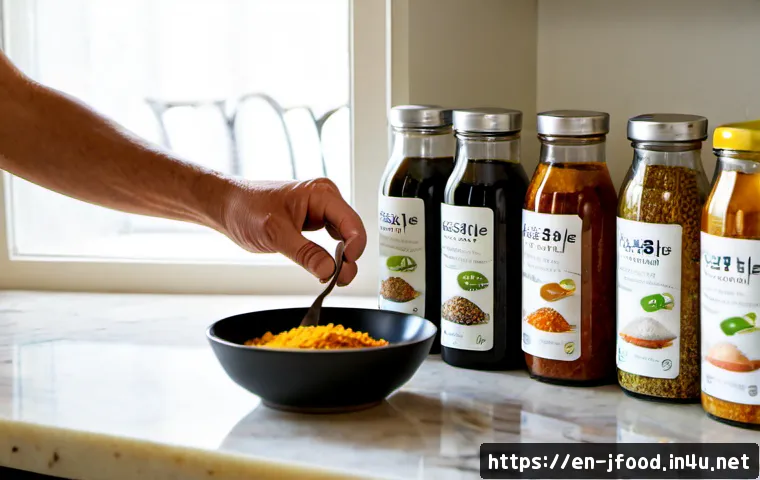
For most home cooks, start with regular soy sauce, rice vinegar, miso, dashi, and either hon mirin or a suitable sweet seasoning alternative. Buy smaller packages first, then upgrade specific items when you know which Japanese dishes you make often.
Japanese seasonings are easier to shop for when you compare their intended use, ingredients, storage instructions, and cost per use instead of relying on “authentic” claims. A specialty grocery store, Asian market, or online Japanese pantry shop can be useful for comparing bottle sizes and label details side by side.
The goal is not to fill a cabinet with every condiment. It is to build a practical pantry that fits your recipes, dietary needs, and available shelf space.
At a Glance
- Start with regular soy sauce, rice vinegar, miso, dashi, and mirin or a recipe-appropriate alternative.
- Beginners can usually postpone specialty items such as light soy sauce, tamari, finishing condiments, and multiple types of dashi.
- Check allergens, alcohol, sodium, added sweeteners, bottle size, and storage instructions before buying.
| Staple | Best Use | Flavor Profile | Package and Storage Consideration | Value Level |
|---|---|---|---|---|
| Regular soy sauce | Everyday bowls, stir-fries, noodles, sauces | Savory and balanced | Choose a bottle you can use regularly; follow the label after opening | High for most cooks |
| Rice vinegar | Sushi rice, dressings, pickles, sauces | Milder than many distilled vinegars | Match size to how often you make rice and dressings | High |
| Miso | Soup, marinades, sauces | Ranges from sweeter and lighter to saltier and stronger | Refrigeration needs should be checked on the package | High |
| Dashi | Soups, broths, sauces | Umami-rich; varies by ingredient | Compare kombu, bonito, shiitake, or instant granules | High if you cook Japanese soups often |
| Hon mirin | Glazes, simmered dishes, marinades | Sweet rice cooking wine | Review alcohol content and storage directions | Useful, but recipe frequency matters |
Start With the Few Seasonings That Cover Most Japanese Home Cooking
The practical five-item starter pantry
A useful first Japanese pantry includes regular soy sauce, rice vinegar, miso, dashi, and mirin. These five ingredients cover a wide range of everyday cooking: rice bowls, noodle dishes, simple soups, dressings, dipping sauces, and marinades. Regular soy sauce is the most flexible choice for a first bottle because it works in many savory recipes without requiring a specialized technique.
Rice vinegar earns its place because it can be used for sushi rice, quick dressings, pickles, and sauces. Miso adds depth to soup and marinades, while dashi provides a quick foundation for Japanese-style broths. Mirin is useful for sweetness and balance in cooked dishes, but the exact product type matters.
What can wait until you cook more specialized dishes
You do not need every soy sauce variety on the first trip. Light soy sauce (usukuchi), tamari, reduced-sodium soy sauce, multiple miso colors, and different dashi formats are better purchased when a recipe or dietary need gives them a clear purpose. Finishing condiments can also wait until you know which flavors you reach for most.
A well-stocked pantry is not the same as a crowded pantry. Buying fewer, more useful ingredients helps prevent large bottles from sitting unused.
A quick answer for shoppers with limited shelf space
If space is tight, choose one versatile soy sauce, one small rice vinegar, one miso package, and one dashi option first. Add mirin when you plan to make simmered dishes, glazes, or marinades. Select smaller containers when you are still learning your cooking habits.
Compare Japanese Pantry Staples by Use, Flavor, and Value
Soy sauce: regular, light, tamari, and reduced-sodium options
Soy sauce is not one uniform product. Regular or dark-style soy sauce is often the practical everyday option. Light soy sauce differs in color and saltiness and may be chosen when a recipe calls for it. Tamari can differ in wheat content, but buyers should never assume it is suitable for a wheat-free diet without reading the individual label. Reduced-sodium varieties may suit shoppers who want that feature, but ingredients and flavor will vary by product.
For frequent cooking, a premium soy sauce may be worth considering when you enjoy its flavor in simple dishes where the sauce is noticeable, such as dipping sauces or lightly seasoned rice. For large-batch cooking, a practical everyday bottle may offer better cost per use.
Mirin, cooking sake, and sweet seasoning alternatives
Hon mirin is a sweet rice cooking wine. “Mirin-style seasoning” may have different alcohol and sugar content, so these products should not be treated as identical. Cooking sake and sweet seasoning alternatives also have their own roles and ingredient lists. If alcohol content, added sugar, or a particular recipe result matters to you, compare labels before placing an order.
Miso, rice vinegar, dashi, and finishing condiments
Miso is fermented soybean paste. White, yellow, and red miso generally differ in color, sweetness, saltiness, and intensity. A lighter miso can be a comfortable starting point for mild soups and dressings, while a more intense miso may suit cooks who want a bolder flavor.
Dashi ingredients may include kombu kelp, dried bonito flakes, shiitake mushrooms, or mixed instant granules. A kombu- or shiitake-based option may be relevant for vegetarian cooking, but the full ingredient list still needs checking. Rice vinegar is especially useful for sushi rice, while finishing condiments are best purchased after you have a few regular recipes in rotation.
When a premium bottle is worth the higher price
Consider a premium bottle when the seasoning is used directly or in a simple recipe where flavor is prominent. A higher-priced soy sauce or carefully chosen miso may be more noticeable in a dipping sauce, broth, or minimal dressing than in a heavily seasoned marinade. For everyday stir-fries and larger recipes, an affordable option with a suitable ingredient list can be the more sensible value purchase.
Read Labels Before Adding Japanese Condiments to Your Cart
Check allergens, alcohol, sodium, and added sweeteners
Japanese condiments can contain common allergens including soy, wheat, fish, sesame, and shellfish-derived ingredients. Check each product rather than relying on the category name. Mirin and mirin-style products may differ in alcohol and sugar content. Soy sauce varieties can also differ in sodium and wheat content.
Understand ingredient order and product naming
Product names can be helpful, but they are not a complete quality guarantee. “Authentic” is not a standardized promise of suitability, flavor, origin, or ingredients. Read the ingredient list, allergen statement, product description, and storage instructions. This is especially important when comparing Japanese grocery items online.
Match bottle size to how often you cook
A larger bottle is not automatically the best deal. Compare the shelf price with the package size and think about how often you will use the seasoning. A smaller bottle can be a better first purchase if you cook Japanese food occasionally or are trying a new flavor.
Shop Smarter at Asian Markets and Online Specialty Stores
Compare unit price rather than only shelf price

When comparing Japanese pantry staples, look beyond the sticker price. Consider bottle size, ingredient list, intended use, and cost per use. A lower-priced large bottle is only a value if you will use it before quality declines or storage becomes inconvenient.
Avoid buying large bottles that may lose quality before use
Imported seasonings are often available at Asian supermarkets, Japanese grocery stores, specialty food shops, and online retailers. A specialty store may offer more choices, but more choices do not always mean a better purchase. Start with the item that fits your cooking plan and storage space.
Packaging, shipping, and storage checks for online orders
For online shopping, review package size, ingredient details, allergen information, and the seller’s storage guidance. Check whether the product is glass, plastic, pouch-packed, or otherwise protected for shipping. After opening, refrigeration needs vary, so follow the instructions printed on that specific package.
Choose Ingredients for Your Cooking Style and Dietary Needs
Everyday rice bowls, stir-fries, and noodle dishes
For everyday meals, regular soy sauce, miso, rice vinegar, and one dashi option are a strong foundation. These ingredients allow for flexible sauces and broths without requiring a long shopping list. Add mirin when you want the style of sweetness used in many cooked Japanese dishes.
Sushi rice, dipping sauces, and marinades
Rice vinegar is the key pantry item for sushi rice. For dipping sauces, the flavor of soy sauce may be more noticeable, so this is one situation where comparing a few options can make sense. Marinades often use several seasonings together, making an everyday-grade bottle practical when used frequently.
Vegetarian, gluten-conscious, lower-sodium, and alcohol-free needs
Vegetarian shoppers may want to compare kombu- and shiitake-based dashi choices, while carefully checking for mixed ingredients. Gluten-conscious shoppers should verify wheat information on each soy sauce or tamari label. Reduced-sodium soy sauce may be an option for those seeking it, and shoppers avoiding alcohol should read mirin and sweet-seasoning labels closely. Product formulas and allergen statements vary by brand.
Selection Criteria and Comparison Summary
Buy now, buy later, and skip-for-now checklist
Buy now: regular soy sauce, rice vinegar, miso, dashi, and mirin if your planned recipes use it. Buy later: light soy sauce, tamari, extra miso varieties, and specialized finishing condiments. Skip for now: oversized bottles or niche ingredients without a recipe plan.
The best value choices for occasional versus frequent cooks
Occasional cooks usually benefit from smaller packages and versatile products. Frequent cooks may find better value in larger formats after confirming the product suits their recipes and storage routine. Premium options make the most sense when the seasoning is a central flavor, not simply one background ingredient among many.
Final pre-purchase checklist
Before checkout, compare bottle size, ingredients, allergens, alcohol content, sodium information, storage directions, and cost per use. For specialty grocery and online pantry purchases, review the full product details page rather than choosing based on packaging alone.
Closing Thoughts
Japanese seasoning shopping becomes simpler when you start with versatile staples instead of buying every condiment at once. Build around the meals you actually cook, then add specialty ingredients as your interests grow. Careful label reading is more useful than broad claims about quality or authenticity. A small, well-used pantry is usually a better value than a large collection of rarely used bottles.
Useful Extra Information
Rice vinegar is commonly used beyond sushi rice, including dressings, pickles, and sauces. Miso varieties can vary from sweeter and lighter to saltier and more intense. Dashi is available in ingredient-based forms such as kombu, bonito, shiitake, and mixed instant granules. Storage requirements after opening are product-specific, so package instructions should guide your pantry and refrigerator choices.
Important Notes
Ingredients, allergen statements, origins, certifications, storage requirements, and product formulas vary by brand. Prices also vary by retailer, package size, region, import costs, and product grade. Check the current label and product information before purchasing, particularly when managing allergies, dietary restrictions, alcohol preferences, or sodium concerns.
Frequently Asked Questions
Q1. Which Japanese seasonings should a beginner buy first?
A1. Start with regular soy sauce, rice vinegar, miso, dashi, and mirin or a suitable alternative. These cover many common Japanese-style soups, rice dishes, sauces, dressings, and marinades.
Q2. Is premium Japanese soy sauce worth the extra cost for home cooking?
A2. It can be worth considering when soy sauce is a noticeable flavor, such as in a dipping sauce or simple dressing. For frequent large-batch cooking, an everyday bottle may provide better value per use. Compare ingredients, bottle size, and your cooking frequency.
Q3. What is the difference between hon mirin and mirin-style seasoning?
A3. Hon mirin is a sweet rice cooking wine. Mirin-style seasoning may have different alcohol and sugar content. Check the individual product label because formulas and storage instructions vary.