As the global appreciation for Japanese cuisine continues to soar, understanding how to pair sake with your meals has become more essential than ever.
Whether you’re a seasoned foodie or just beginning to explore, unlocking the secrets of sake pairings can transform your dining experience into something truly memorable.
Recently, sake has gained renewed attention not only for its rich tradition but also for its versatility alongside modern dishes. Join me as we dive into the art of matching flavors, textures, and aromas that bring out the best in both sake and food.
This journey will elevate your next meal and open a new world of taste adventures you won’t want to miss.
Discovering the Nuances of Sake Flavors
Understanding Sake Types and Their Profiles
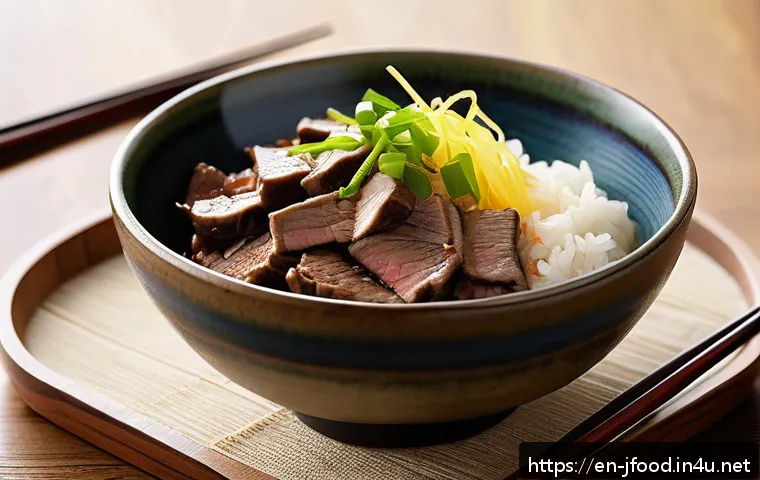
Sake comes in a variety of styles, each with distinct flavor profiles that can dramatically influence the pairing experience. For instance, Junmai sake tends to have a richer, more robust body with earthy and umami notes, making it a perfect companion for heavier dishes like grilled meats or mushroom-based recipes.
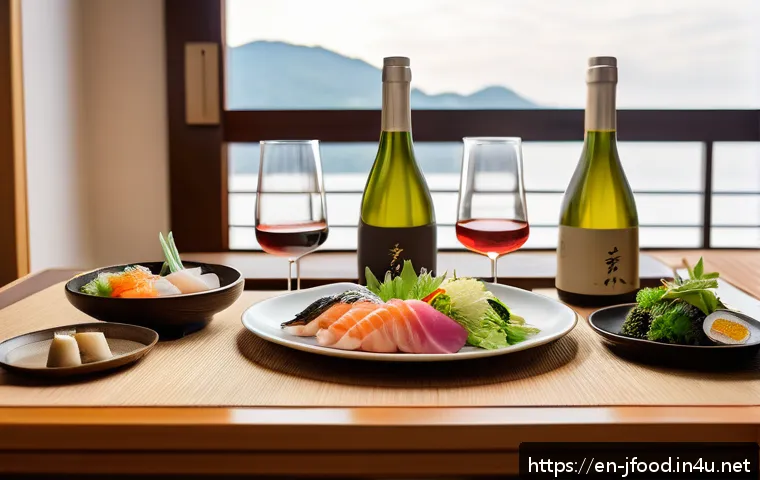
On the other hand, Ginjo and Daiginjo sakes are typically lighter and more fragrant, often boasting fruity and floral aromas that beautifully complement delicate seafood or lightly seasoned vegetables.
When I first started exploring sake, I was surprised by how much these subtle differences affected the taste of the entire meal. Getting to know these types is the first step toward mastering food pairings.
How Temperature Changes the Taste Experience
Sake’s flavor can shift dramatically depending on how it’s served—warm, room temperature, or chilled. Warm sake, for example, tends to amplify sweetness and soften acidity, which can be delightful alongside rich, savory dishes such as stews or braised pork belly.
Conversely, chilled sake highlights crispness and aromatic complexity, perfect for sashimi or fresh salads. I’ve personally found that experimenting with temperature can unlock hidden layers in both the sake and the food, offering a surprising depth to your palate.
It’s a simple trick that can turn a familiar dish into something entirely new.
Balancing Umami and Sweetness for a Harmonious Pairing
One of the most fascinating aspects of sake pairing is balancing umami-rich flavors with the natural sweetness of the drink. Umami-heavy foods—think soy sauce-glazed dishes or parmesan cheese—can sometimes overwhelm a delicate sake, but when paired thoughtfully, the sake’s sweetness can soften the intensity, creating a lovely harmony.
For instance, pairing a slightly sweet Nigori sake with a spicy or salty dish often results in a beautifully balanced contrast. I remember trying this combination at a local izakaya and being amazed at how the sake mellowed the saltiness without losing its character.
Understanding this balance helps in crafting a more enjoyable dining experience.
Pairing Sake with Everyday Meals
Elevating Weeknight Dinners with Sake
Incorporating sake into your regular dinner routine might sound fancy, but it’s surprisingly approachable. Simple dishes like roasted chicken or sautéed vegetables can be transformed with the right sake pairing.
For example, a medium-bodied Junmai sake with a slight acidity pairs wonderfully with herb-roasted chicken, cutting through the richness while enhancing the savory flavors.
When I started doing this at home, I noticed how my usual meals felt more special and thoughtfully prepared without much extra effort. It’s a great way to add a little joy to everyday dining.
Pairing Sake with Vegetarian and Vegan Dishes
Vegetarian and vegan cuisine can sometimes be challenging to pair with alcohol due to the wide variety of flavors and textures. However, sake’s versatility shines here.
Lighter sakes with floral and fruity notes complement fresh salads, tofu dishes, and steamed vegetables by enhancing their natural flavors without overpowering them.
For dishes with more umami, like miso soup or grilled mushrooms, a richer Junmai sake works beautifully. I’ve personally enjoyed matching sake with vegetarian meals during gatherings, and it’s always a conversation starter that adds a unique twist.
Sake and Spicy Foods: A Delicate Dance
Spicy dishes can be tricky to pair with alcohol because of heat and strong flavors. Fortunately, sake offers a range of options that can either cool the palate or stand up to the spice.
For milder heat, chilled Daiginjo sake with its crispness and fruity notes can be refreshing and soothing. For bolder spice, a slightly sweeter Nigori sake balances the heat while adding a creamy texture to the overall experience.
From my experience, finding the right sake to pair with spicy cuisine elevates the meal rather than just quenching the heat.
Understanding Texture and Mouthfeel in Pairings
The Role of Sake’s Body in Food Pairing
Sake’s body ranges from light and crisp to full and velvety, and this characteristic plays a crucial role in pairing with food textures. Light-bodied sakes are excellent for crispy or crunchy dishes, as they don’t overwhelm the palate and instead provide a refreshing contrast.
Conversely, fuller-bodied sakes can stand up to creamy or fatty foods like tempura or fatty fish, creating a balanced mouthfeel that feels satisfying without being heavy.
I’ve found that paying attention to texture helps avoid clashes and ensures each bite and sip complement one another seamlessly.
How Carbonation and Effervescence Affect Pairings
While not as common as still sake, sparkling sake is gaining popularity and offers a unique pairing dimension due to its carbonation. The bubbles add a lively texture that can cut through richness and refresh the palate between bites, making it an excellent match for fried foods or rich cheeses.
When I first tried sparkling sake alongside crispy chicken wings, the effervescence lifted the heaviness, making the entire meal feel lighter and more balanced.
This playful characteristic is worth exploring for those looking to experiment beyond traditional pairings.
Complementing Creamy and Rich Foods with Sake
Rich dishes with creamy sauces or buttery textures can sometimes feel heavy, but sake can balance this richness beautifully. A sake with moderate acidity and a clean finish helps cleanse the palate, preventing flavor fatigue.
For example, pairing a dry Junmai sake with creamy pasta or cheese dishes keeps the meal feeling fresh and enjoyable. I recall hosting a dinner where we paired sake with various cheeses, and the guests were surprised by how well the sake cut through the richness without losing its own flavor profile.
Pairing Sake with Global Cuisines Beyond Japanese Food
Matching Sake with Italian and Mediterranean Dishes
Sake’s subtle sweetness and umami qualities make it surprisingly compatible with Italian and Mediterranean cuisines. Light and aromatic sakes work wonders with seafood pastas, fresh salads, and grilled vegetables, enhancing the freshness and complexity of these dishes.
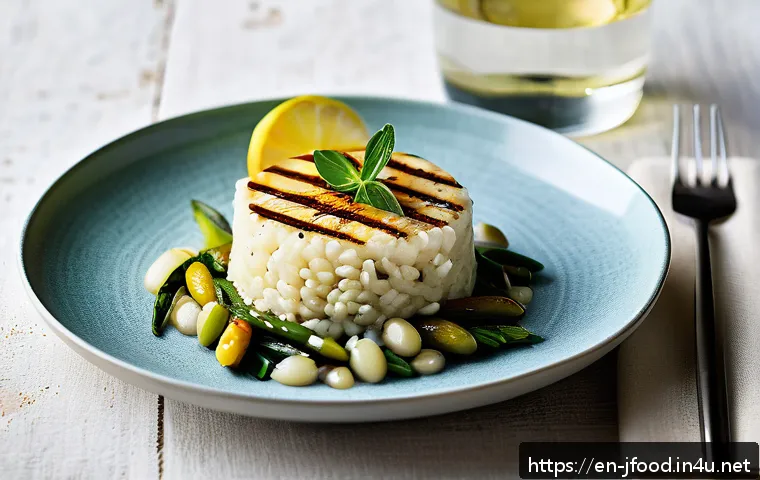
I’ve tried pairing Daiginjo sake with a lemon herb risotto, and the result was a bright, harmonious flavor profile that elevated both the sake and the food.
This cross-cultural pairing opens exciting possibilities for those who love diverse culinary experiences.
Exploring Sake with Asian Fusion Flavors
Asian fusion dishes, which often blend sweet, spicy, sour, and salty elements, can be challenging to pair, but sake’s versatility shines here. For sweet and spicy dishes like Korean BBQ or Thai curry, a slightly sweet Nigori sake complements the heat and richness perfectly.
For more delicate fusion dishes, a light Ginjo sake provides balance without overpowering the nuanced flavors. From my personal trials, pairing sake with fusion cuisine is a rewarding adventure that highlights sake’s adaptability beyond traditional boundaries.
Why Sake Works with Contemporary American Cuisine
Contemporary American cuisine often features bold flavors and innovative combinations, which makes sake an unexpected but fantastic partner. Sake’s clean finish and umami depth complement dishes like roasted vegetables, grilled meats, and even some desserts.
I’ve enjoyed pairing sake with dishes like truffle mac and cheese or smoked salmon, where the sake’s nuanced flavors enhanced the overall dining experience without competing.
This pairing approach adds a sophisticated edge to casual meals, perfect for impressing guests or elevating weeknight dinners.
Essential Tips for Hosting a Sake Pairing Night
Creating a Balanced Sake Tasting Menu
When hosting a sake pairing night, it’s crucial to curate a tasting menu that gradually explores different sake styles and food combinations. Start with lighter, more delicate sakes paired with mild appetizers, then move toward fuller-bodied sakes with richer dishes.
This progression helps guests appreciate the nuances without overwhelming their palates early on. In my experience, pacing the tasting keeps everyone engaged and eager to try the next pairing, making the event both educational and enjoyable.
Presentation and Glassware Matter
While sake is traditionally served in small cups, experimenting with glassware can enhance the tasting experience. Wine glasses, for example, allow aromas to concentrate, highlighting the fragrance and complexity of premium sakes.
I’ve found that serving sake in different glass types sparks conversation and curiosity among guests, elevating the overall atmosphere of the evening.
Thoughtful presentation also makes the event feel special and well-planned.
Encouraging Guests to Trust Their Palate
Sake pairing is a personal journey, and encouraging guests to trust their own taste preferences creates a more relaxed and fun environment. Not every pairing will be perfect for everyone, and that’s okay.
Sharing personal anecdotes about unexpected pairings that worked or didn’t helps break down any intimidation around sake. From my experience, the best moments happen when people feel free to experiment and share their honest opinions, turning the night into a memorable, interactive adventure.
Quick Reference Guide to Popular Sake and Food Pairings
| Sake Type | Flavor Profile | Recommended Food Pairings | Serving Temperature |
|---|---|---|---|
| Junmai | Rich, umami, full-bodied | Grilled meats, mushroom dishes, hearty stews | Warm or room temperature |
| Ginjo | Light, fruity, floral | Sashimi, fresh salads, light seafood | Chilled |
| Daiginjo | Delicate, aromatic, refined | Delicate fish, steamed vegetables, mild cheeses | Chilled |
| Nigori | Slightly sweet, creamy, cloudy | Spicy foods, fried dishes, desserts | Chilled or room temperature |
| Sparkling Sake | Light, effervescent, refreshing | Fried foods, appetizers, light cheeses | Chilled |
In Conclusion
Exploring the diverse world of sake opens up exciting opportunities to enhance your dining experiences. Understanding the nuances of sake types, serving temperatures, and pairing principles can transform simple meals into memorable occasions. Whether you’re new to sake or a seasoned enthusiast, experimenting with these ideas adds depth and enjoyment to your palate. Embrace the journey of discovery and savor every sip with the perfect bite.
Helpful Information to Keep in Mind
1. Sake’s flavor profile varies widely by type, so matching the right sake to your dish is key to a harmonious pairing.
2. Serving temperature significantly impacts taste; warm sake softens acidity, while chilled sake emphasizes crispness and aroma.
3. Balancing umami-rich foods with sake’s sweetness can create delightful contrasts that enhance both flavors.
4. Don’t hesitate to pair sake with non-Japanese cuisines—its versatility complements a broad range of global dishes.
5. Hosting a sake tasting is best enjoyed with a curated progression of flavors, thoughtful presentation, and encouraging guests to trust their own tastes.
Key Takeaways
Understanding sake’s flavor profiles and serving methods is essential for successful food pairings. Experimenting with temperature and texture can reveal new dimensions in both sake and dishes. Pairing sake thoughtfully with diverse cuisines broadens your culinary horizons and elevates everyday meals. Hosting sake events with careful planning and a relaxed atmosphere enhances the overall experience. Ultimately, personal preference is your best guide in savoring sake to its fullest potential.
Frequently Asked Questions (FAQ) 📖
Q: What types of sake pair best with different Japanese dishes?
A: Generally, lighter, more delicate sakes like Ginjo or Daiginjo complement subtle dishes such as sashimi or sushi, as their fruity and floral notes enhance fresh flavors without overpowering them.
Richer, fuller-bodied sakes like Junmai or Honjozo work well with heartier fare like grilled meats or tempura, where their depth and umami balance the dish’s intensity.
When I tried pairing Junmai with grilled eel, the earthy undertones of the sake beautifully matched the smoky sweetness, making the meal unforgettable.
Q: Can sake be paired with non-Japanese cuisine?
A: Absolutely! Sake’s versatility shines when paired with various global dishes. For instance, a crisp, slightly dry sake can cut through creamy Italian pastas or seafood chowders, refreshing your palate.
Sweet or aromatic sakes work surprisingly well with spicy Asian dishes like Thai or Indian curries, balancing heat with smoothness. I once paired a fruity Nigori sake with a spicy Mexican taco spread, and the contrast elevated both the food and the drink in a way I didn’t expect but thoroughly enjoyed.
Q: How should I serve sake to enhance its pairing potential?
A: Temperature plays a big role in sake enjoyment. Chilled sake highlights freshness and is ideal for light dishes, while gently warmed sake can bring out richer, deeper flavors suited for robust meals.
Serving sake in appropriate glassware, like wine glasses, can also concentrate aromas and improve the tasting experience. From my experience, warming a Junmai sake slightly before pairing it with mushroom risotto transformed the dish, making the earthy flavors pop and the sake feel like a natural companion.