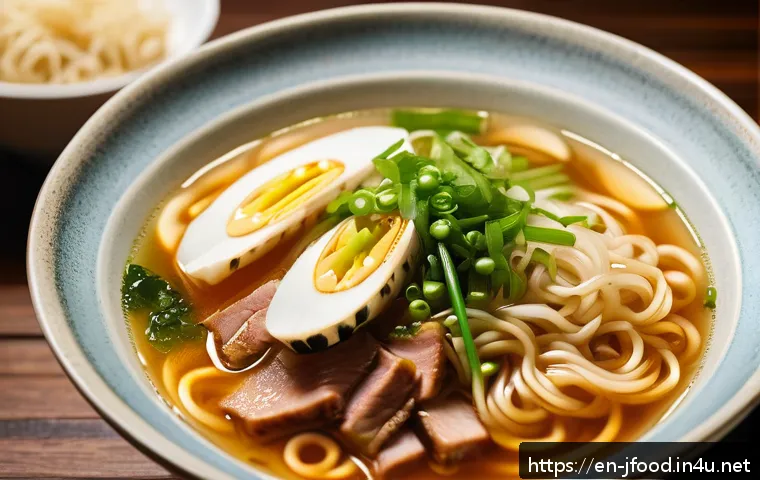
Lately, ramen has taken center stage not just as a quick meal but as a culinary experience that food lovers can’t get enough of. With so many varieties flooding menus and online discussions buzzing, understanding what truly sets each bowl apart has become a hot topic.
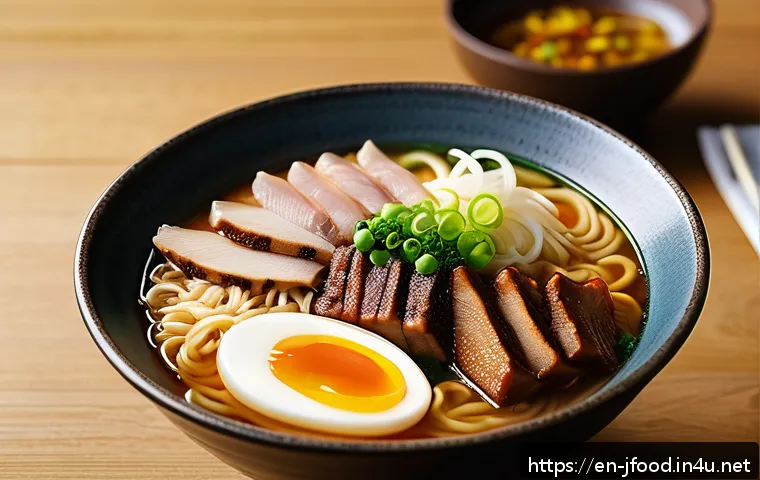
It’s fascinating how the texture of noodles can transform every slurp into a different sensation, from chewy to silky smooth. If you’ve ever wondered why some ramen just feels more satisfying, you’re in the right place.
Let’s dive into the subtle science and craft behind those perfect noodle textures that keep us coming back for more. This journey will change how you savor your next bowl forever.
The Art of Noodle Craftsmanship
Understanding Dough Composition
The foundation of any ramen noodle lies in its dough, and the ingredients used can dramatically affect texture. Typically, ramen dough includes wheat flour, water, salt, and kansui—an alkaline mineral water that gives noodles their characteristic chewiness and yellow hue.
What fascinated me after trying different homemade recipes was how slight tweaks in the water-to-flour ratio and the amount of kansui can create distinct noodle personalities.
For example, increasing kansui results in a firmer bite, while reducing it leads to a softer, more tender noodle. The balance is delicate, and mastering it takes both science and intuition.
Kneading and Resting: More Than Just Mixing
Kneading isn’t just about combining ingredients; it’s about developing gluten strands that provide elasticity and strength to the noodle. I noticed that when kneading is rushed or uneven, the noodles end up brittle or too soft after cooking.
Resting the dough is equally crucial—allowing time for hydration and gluten relaxation results in a smoother, more pliable noodle. From my experience, resting for at least 30 minutes in a cool environment makes a noticeable difference in texture, which is why many ramen chefs swear by this step even though it adds time to the process.
Shaping Techniques and Their Impact
The way noodles are shaped also plays a role in texture and mouthfeel. Cutting noodles thinly creates a silkier, more delicate sensation, whereas thicker noodles offer a heartier chew.
Some ramen shops use a machine to roll and cut noodles uniformly, while others hand-cut for a rustic texture. I personally prefer noodles with slight irregularities—those subtle variations give each bite a unique tactile quality that feels more authentic and satisfying.
The noodle’s surface texture, whether smooth or slightly rough, also affects how well it clings to the broth, impacting overall flavor delivery.
Texture Varieties and Their Culinary Roles
Chewy Noodles for Rich Broths
Chewy noodles, often thicker and made with higher kansui content, are perfect companions to heavier, oil-rich broths like tonkotsu or miso. Their resilience prevents them from becoming soggy too quickly, maintaining a satisfying bite throughout the meal.
I recall dining at a famous ramen spot where the noodles stayed firm even after soaking up the creamy pork broth—each slurp was a perfect balance of broth and texture that kept me hooked.
Silky Smooth Noodles for Light Soups
In contrast, thin and silky noodles work wonders with clear, delicate broths such as shoyu or shio ramen. Their subtle texture lets the broth’s nuances shine without overpowering the palate.
From personal tastings, these noodles seem to dissolve gently on the tongue, creating a comforting, almost ethereal eating experience. This pairing is ideal for those who appreciate the broth’s complexity more than the noodle’s chewiness.
Springy and Bouncy Noodles: A Textural Middle Ground
Some ramen styles strike a middle ground with springy noodles that have a gentle bounce. These noodles are versatile, complementing a wide range of broths from spicy to savory.
I’ve found that this texture appeals to many because it offers enough chew to feel substantial without being too heavy. This balance makes them a popular choice in fusion ramen bowls where contrasting flavors and textures play a starring role.
How Cooking Time Transforms Noodle Texture
The Science Behind Cooking Duration
Cooking time is a critical variable that can make or break the noodle’s texture. Overcooking leads to sogginess and loss of structure, while undercooking yields an unpleasantly hard core.
Through trial and error, I’ve learned that timing must be adjusted based on noodle thickness and type. For instance, thin noodles often require just 30 to 45 seconds in boiling water, whereas thicker noodles need closer to two minutes.
Precision here is key to achieving the ideal bite.
Impact of Water Temperature and Technique
Boiling water temperature isn’t always just about reaching 212°F (100°C). Some chefs recommend dropping the heat slightly after adding noodles to prevent violent boiling, which can cause noodles to break apart.
Stirring gently during cooking ensures even heat distribution and prevents clumping. I remember trying a method where noodles were cooked in slightly less vigorous water, resulting in a smoother texture and fewer broken strands, which improved the overall eating experience.
Post-Cooking Handling: Rinsing and Tossing
Once cooked, how noodles are handled can influence texture retention. Rinsing in cold water halts cooking and removes surface starch, which can make noodles stickier.
However, for hot ramen, rinsing is often skipped to preserve the starch layer that helps broth cling to the noodles. Tossing noodles with a small amount of oil or broth can also prevent clumping and enhance mouthfeel.
Experimenting with these small steps has made me appreciate the subtle artistry involved in serving the perfect bowl.
The Role of Regional Styles in Noodle Texture
Tokyo’s Balanced Noodles
Tokyo-style ramen often features medium-thin noodles with moderate chew, designed to complement the soy-based broth without overwhelming it. The noodles strike a harmony between firmness and softness, making each bite pleasantly textured.
From my visits to Tokyo ramen shops, this style felt very approachable, appealing to a wide audience who appreciate balance over extremes.
Hokkaido’s Robust Noodles
In contrast, Hokkaido’s cold climate inspired thicker, sturdier noodles that hold up to miso-based broths rich in flavor and fat. These noodles deliver a hearty chew that perfectly matches the soup’s intensity.
I recall savoring a bowl in Sapporo where the noodles remained satisfyingly firm throughout, creating a deeply warming meal perfect for winter.
Kyushu’s Thin and Silky Noodles
Kyushu, famous for its tonkotsu ramen, typically uses thin, straight noodles that cook quickly and absorb the creamy pork broth’s essence. The silky texture ensures the noodles don’t overpower the broth’s richness but rather complement it.
Having eaten in Fukuoka, I was struck by how effortlessly these noodles glided down, letting the broth’s deep flavors linger on the palate.
Pairing Noodle Textures with Broth Thickness
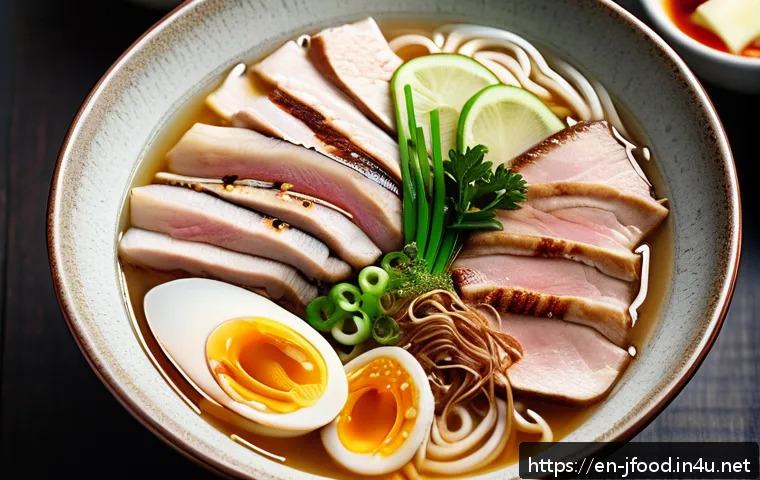
Matching Hearty Noodles with Opaque Broths
Thick, opaque broths like tonkotsu or miso need noodles that can stand up to their richness without turning mushy. Hearty noodles with a firm bite provide the necessary contrast and structural integrity.
I’ve noticed that when these broths are paired with delicate noodles, the texture imbalance can make the dish feel off, lacking that satisfying chew.
Delicate Noodles for Clear Broths
Clear broths such as shoyu and shio are lighter and more refined, so pairing them with delicate, thin noodles enhances their subtle flavors. These noodles don’t compete with the broth but rather act as a gentle vehicle to deliver its nuances.
From my experience, this pairing creates a harmonious and elegant bowl that feels light yet flavorful.
Interplay of Surface Texture and Broth Clinging
Surface texture of noodles, whether smooth or rough, affects how broth adheres to them. Rougher noodles tend to hold more broth, intensifying flavor in every bite.
Smooth noodles provide a cleaner mouthfeel but may deliver a more muted taste experience. I’ve found that rough-textured noodles are especially enjoyable with thick broths, while smooth noodles work best with lighter soups.
How Freshness and Storage Affect Noodle Quality
Fresh vs. Dried Noodles: Texture Differences
Fresh noodles offer a softer, more elastic texture that many ramen lovers prefer for their springiness and fresh wheat flavor. Dried noodles, while convenient, often have a firmer or slightly brittle texture after cooking.
I personally enjoy fresh noodles for the authentic experience, though dried noodles can be a practical alternative when time is short.
Proper Storage to Maintain Texture
Keeping noodles fresh is crucial. Refrigerating fresh noodles prevents spoilage but can dry them out if not properly sealed, leading to a tougher texture.
Freezing preserves freshness but may slightly alter elasticity upon thawing. From my kitchen trials, storing fresh noodles in an airtight container with a damp cloth maintains optimal moisture and texture, ensuring the next bowl feels just right.
Reheating and Its Impact
Reheating cooked noodles can be tricky; overcooking during reheating often results in a mushy mess. Quick blanching in boiling water or brief microwaving with a splash of water helps revive texture without overdoing it.
I’ve learned this the hard way after leftovers turned soggy, but with care, even reheated noodles can taste almost as good as freshly made.
Flavor Absorption and Noodle Texture Synergy
How Texture Influences Broth Uptake
The noodle’s texture directly affects how well it absorbs and holds onto broth. Chewy noodles with a porous surface tend to soak up flavors deeply, enriching each bite.
In contrast, silky noodles might let broth slide off, offering a lighter taste. My personal preference leans toward noodles that carry broth well, as it creates a more immersive flavor experience.
The Role of Surface Roughness
Rough-textured noodles, often achieved by slightly rough rolling or cutting methods, create more surface area for broth adhesion. This not only enhances flavor but also adds a pleasing tactile contrast.
During a ramen workshop I attended, experimenting with different rolling techniques showed me how subtle changes in noodle surface can transform the overall dish.
Balancing Noodle Texture with Toppings
Toppings like bamboo shoots, pork slices, and green onions add layers of texture that interact with the noodles. A firm noodle can balance softer toppings, while a silky noodle pairs well with crunchy garnishes.
In my experience, considering how noodle texture complements toppings makes each bowl feel thoughtfully composed and satisfying.
| Noodle Type | Typical Thickness | Texture Characteristics | Best Broth Pairing |
|---|---|---|---|
| Thin & Silky | 1-2 mm | Soft, smooth, delicate | Shoyu, Shio |
| Medium & Balanced | 2-3 mm | Moderate chew, slightly firm | Tokyo-style soy, Shoyu |
| Thick & Chewy | 3-4 mm | Firm, resilient, hearty | Miso, Tonkotsu |
| Straight & Firm | 1-2 mm | Springy, quick-cooking | Kyushu Tonkotsu |
| Hand-cut & Rustic | Varies | Irregular, chewy, textured | Varied broths, fusion |
Conclusion
Mastering the art of noodle craftsmanship is both a science and an expression of passion. From dough composition to cooking techniques, every step influences the final texture and flavor. Whether you prefer chewy, silky, or springy noodles, understanding these nuances elevates your ramen experience. The perfect bowl is a harmony of texture, broth, and toppings, crafted with care and attention.
Helpful Tips
1. Experiment with water-to-flour ratios and kansui levels to find your ideal noodle texture.
2. Always allow the dough to rest for at least 30 minutes to improve elasticity and ease of handling.
3. Adjust cooking times based on noodle thickness to avoid overcooking or undercooking.
4. Consider pairing noodle textures thoughtfully with broth types for a balanced and satisfying meal.
5. Store fresh noodles properly in airtight containers with moisture control to maintain quality.
Key Takeaways
Understanding the balance between noodle texture and broth richness is essential for an exceptional ramen bowl. Precise dough preparation, proper kneading and resting, and mindful cooking techniques all contribute to the final quality. Additionally, regional noodle styles offer unique characteristics that enhance specific broths. Finally, proper storage and reheating methods help preserve noodle integrity, ensuring every bowl delivers the best possible experience.
Frequently Asked Questions (FAQ) 📖
Q: uestions about Ramen Noodle TextureQ1: Why do ramen noodles have different textures like chewy or silky smooth?
A: The texture of ramen noodles largely depends on the type of flour used, the amount of water, and the kneading process. For example, noodles made with high-protein wheat flour tend to be chewier, while those with softer flour or more water content feel silkier.
Additionally, the way the dough is rolled and cut impacts the final texture. Even the addition of kansui, an alkaline mineral water, gives ramen its distinctive springiness and bite.
So, the noodle texture you experience is a result of both ingredients and craftsmanship.
Q: How does noodle texture affect the overall ramen eating experience?
A: Noodle texture is crucial because it changes how the broth and toppings interact with each bite. Chewy noodles hold onto broth longer, giving you a burst of flavor with every slurp, while silky smooth noodles create a lighter mouthfeel that lets the broth shine more subtly.
Personally, I’ve noticed that when noodles have the right balance of firmness and softness, it elevates the entire bowl, making each mouthful satisfying and memorable.
Texture isn’t just about feel—it’s about enhancing flavor and enjoyment.
Q: Can I improve the texture of instant ramen noodles at home?
A: Absolutely! One simple trick is to avoid overcooking the noodles—cook them just until they’re al dente, then drain and rinse briefly with cold water to stop the cooking process.
This keeps them firmer and less mushy. Another tip is to add a bit of baking soda or an alkaline ingredient to your cooking water to mimic kansui’s effect, which can give your noodles that signature chewiness.
I’ve tried these hacks myself, and they make a noticeable difference, turning a quick meal into a much more satisfying experience.