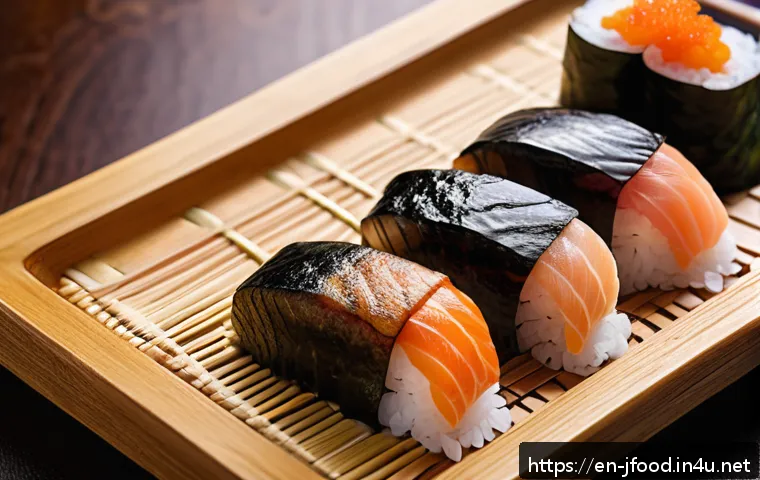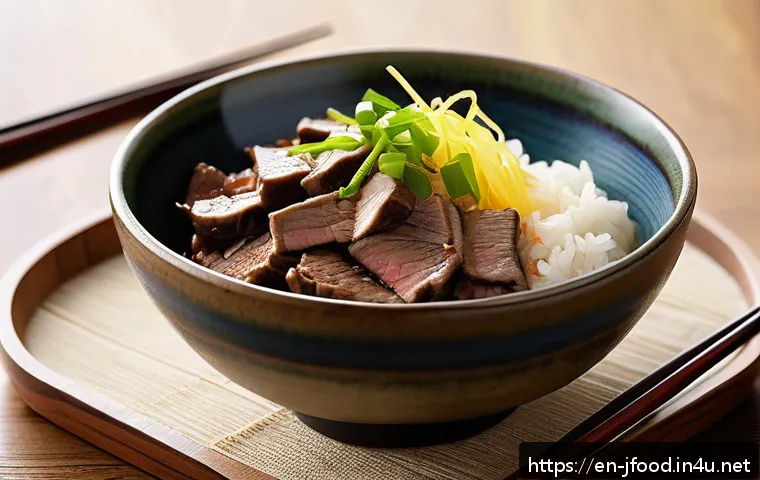
When it comes to crafting the perfect sushi, the tools a sushi chef uses are just as important as their skills. From the precision of a sharp knife to the texture of the cutting board, each item plays a vital role in creating that delicate balance of flavor and presentation.
Understanding these essential tools not only deepens appreciation for sushi but also reveals the artistry behind every bite. Whether you’re a foodie or a budding chef, knowing what goes into sushi preparation can be truly eye-opening.
Let’s dive in and explore the fascinating world of sushi chef tools in detail!
The Art of Cutting: Mastering the Blade
Choosing the Right Knife for Precision
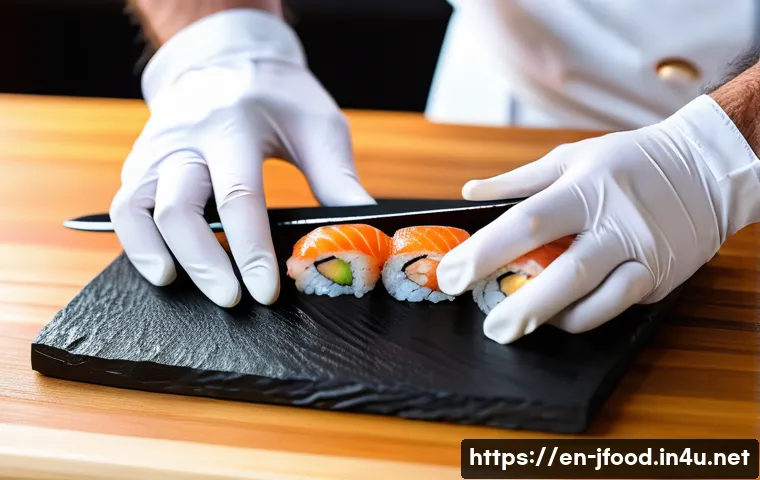
When it comes to slicing sushi-grade fish, the knife is your closest companion. A chef’s choice often leans toward a long, slender blade that allows for clean, single-stroke cuts.
The sharper and thinner the edge, the less it crushes the delicate flesh, preserving texture and flavor. From my experience, using a high-carbon steel blade gave me that perfect balance of sharpness and control, but it does require regular honing and careful maintenance to avoid rust.
Ceramic knives, while sharp, lack the resilience needed for tougher ingredients, so most pros stick to steel variants.
Techniques for Flawless Slices
It’s not just about the knife itself but how you wield it. A steady hand and the right angle make all the difference. Many sushi chefs I’ve observed use a gentle pulling motion rather than a sawing one, which keeps the cut clean and the fish intact.
Practicing this technique repeatedly, I found that patience and rhythm become your best friends. Rushing leads to jagged edges and uneven thickness, which can ruin the presentation and mouthfeel.
Maintaining Your Cutting Edge
Keeping your knife in prime condition isn’t just about performance; it’s a matter of respect for the craft. I learned the hard way that neglecting to hone your blade regularly results in dullness that’s frustrating to work with.
Using a whetstone or professional sharpening service keeps the knife’s edge razor-sharp. Also, always hand wash and dry immediately to prevent corrosion.
This upkeep ritual might seem tedious but it pays off in every slice you make.
Surface Matters: The Perfect Cutting Platform
Why the Cutting Board Choice is Crucial
The cutting board is more than just a surface; it’s the foundation for precision and hygiene. Wooden boards, especially those made from soft woods like cypress or maple, offer a forgiving surface that won’t dull your knife quickly.
I’ve noticed that plastic boards, while easier to sanitize, tend to wear down blades faster due to their harder texture. In professional kitchens, a combination of both is often used—wood for fish and plastic for vegetables and other ingredients.
Maintaining Hygiene and Board Longevity
Proper care of your cutting board is essential to prevent contamination and extend its life. I always recommend cleaning boards thoroughly after each use and occasionally treating wooden boards with mineral oil to prevent cracking and warping.
Avoid soaking boards in water for long periods, as this damages the wood fibers. In my experience, a well-maintained board feels smoother and more responsive under the knife, enhancing your cutting precision.
Surface Size and Stability Considerations
A stable and appropriately sized cutting surface helps maintain control and safety. I prefer boards that offer enough space to work comfortably without overcrowding, which can lead to accidents or uneven cuts.
Non-slip mats or damp towels underneath the board provide extra stability, especially when working with slippery fish. Stability might seem minor, but it significantly affects the confidence and accuracy of your knife work.
Essential Utensils Beyond the Blade
Rice Paddle and Its Role in Texture
The rice paddle, or shamoji, is a deceptively simple tool with a big impact on sushi quality. It helps mix rice with vinegar without smashing the grains, maintaining that perfect stickiness essential for shaping sushi.
From personal experience, a wooden paddle offers the best grip and control compared to plastic ones, which sometimes feel too slippery when wet. The technique involves a gentle folding motion, which I found crucial to avoid turning the rice mushy.
Rolling Mats and Presentation
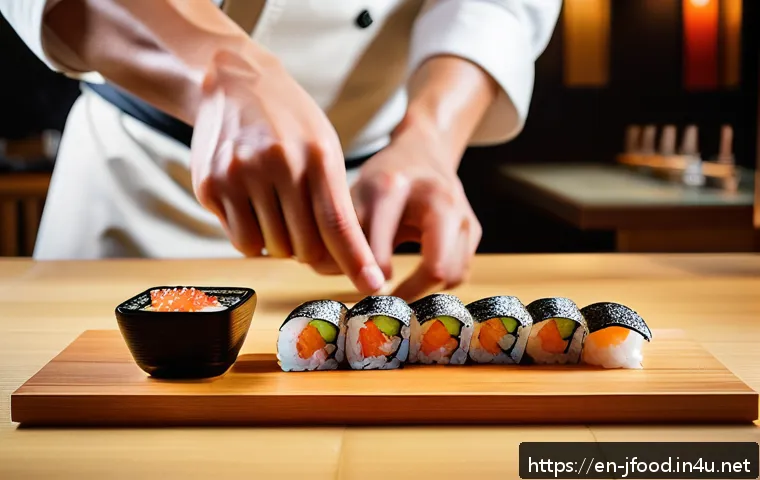
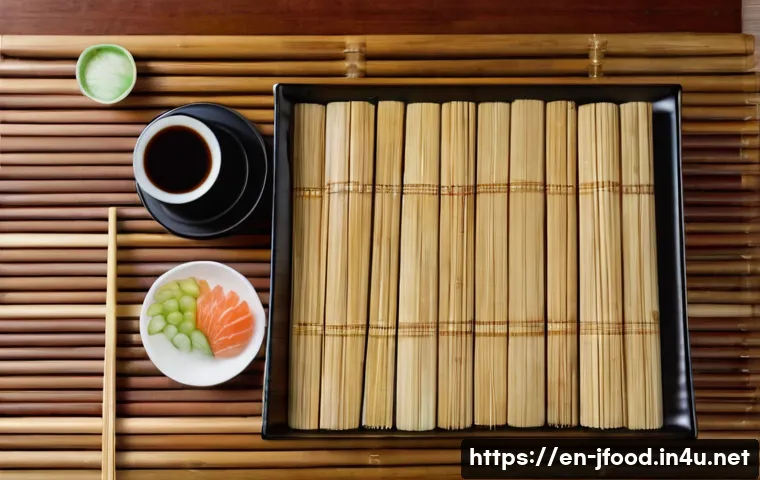
For making rolls, a bamboo mat is indispensable. It provides the right amount of pressure and flexibility to shape sushi rolls evenly. I remember struggling with plastic mats early on, which were less forgiving and often caused uneven rolls or tearing of the nori seaweed.
Bamboo mats also dry quickly and are easy to clean, making them my go-to choice for consistent results.
Serving Tools That Complete the Experience
Presentation is a huge part of sushi’s appeal. Tools like small wooden trays, elegant dipping bowls, and chopsticks all contribute to the overall dining experience.
I’ve found that having these items ready and well-arranged not only impresses guests but also streamlines the serving process, allowing the chef to focus on the next creation without interruption.
Understanding the Sushi Ingredient Preparation Setup
Fish Storage and Handling Essentials
Proper storage of fish is critical to maintain freshness and safety. Sushi chefs often use specialized refrigeration units that maintain just the right temperature and humidity levels.
In my experience working with fresh fish, keeping it chilled but not frozen preserves the natural flavor and texture. Additionally, wrapping fish tightly in plastic wrap prevents exposure to air, reducing oxidation and drying.
Rice Cooking Tools for Perfect Consistency
The rice cooker is a cornerstone of sushi prep. Modern electric rice cookers with fuzzy logic technology allow precise control over temperature and moisture, yielding perfectly cooked rice every time.
I’ve tried traditional stovetop methods, but the consistency and convenience of a quality rice cooker can’t be beat, especially when preparing sushi for larger groups.
Vinegar and Seasoning Containers
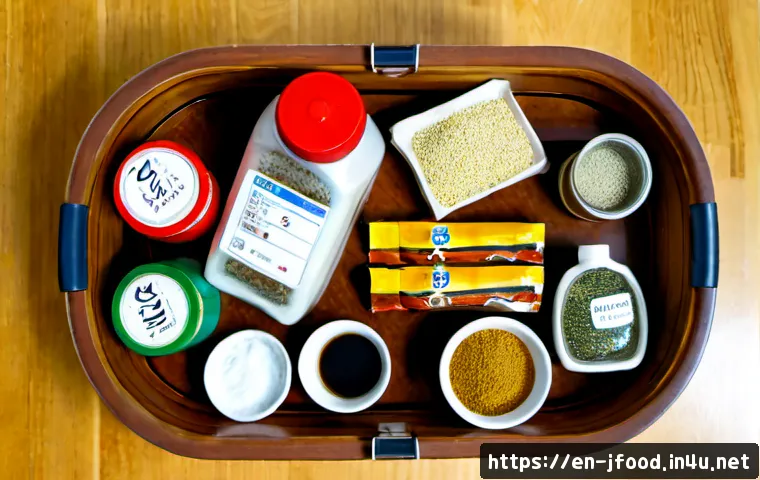
Mixing sushi vinegar with rice requires precise measurement and mixing tools. I prefer using glass or ceramic containers because they don’t react with the acidic vinegar, preserving the flavor integrity.
Measuring spoons and small whisks help achieve a uniform blend, which is crucial since the seasoning defines the rice’s subtle tanginess.
Table of Key Sushi Chef Tools and Their Functions
| Tool | Primary Function | Material | Care Tips |
|---|---|---|---|
| Chef’s Knife | Precise slicing of fish and ingredients | High-carbon steel | Regular honing, hand wash, dry immediately |
| Cutting Board | Stable surface for cutting and prepping | Wood (cypress/maple) or plastic | Clean thoroughly, oil wooden boards, avoid soaking |
| Rice Paddle (Shamoji) | Mixing and handling sushi rice | Wood or plastic | Hand wash, avoid dishwasher for wood |
| Bamboo Rolling Mat | Shaping sushi rolls | Bamboo | Rinse, dry thoroughly, avoid soaking |
| Rice Cooker | Consistent cooking of sushi rice | Electric with non-stick inner pot | Clean inner pot after each use |
| Vinegar Mixing Container | Blending sushi vinegar and seasoning | Glass or ceramic | Hand wash, avoid metal contact |
Handling Fish Like a Pro
Techniques for Filleting Fresh Fish
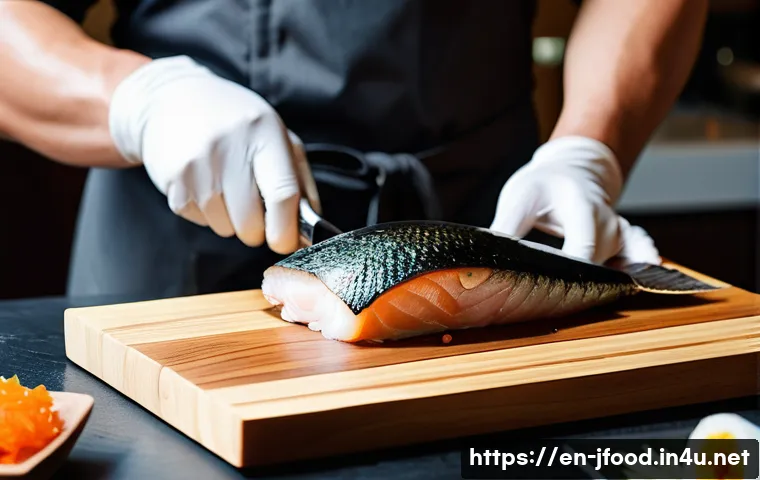
Filleting is an art that demands precision and patience. I’ve spent hours perfecting the technique to minimize waste and maximize the quality of each cut.
Using the right angle and steady pressure allows the flesh to separate smoothly from the bones, preserving its integrity. The process also involves removing pin bones with tweezers, which is essential to ensure a pleasant eating experience.
Recognizing Freshness and Quality
A sushi chef’s skill extends beyond cutting to choosing the best fish. Freshness can be judged by appearance, smell, and texture. Clear, bright eyes, firm flesh, and a clean ocean scent are key indicators.
I’ve learned to trust my senses over time, and selecting top-quality fish makes every subsequent step easier and more enjoyable.
Storage Practices for Optimal Flavor
Once filleted, fish must be stored carefully to maintain texture and flavor. Wrapping tightly in plastic and refrigerating at a precise temperature keeps the fish fresh without drying it out.
I recommend using specialized sushi-grade fish storage containers that allow slight airflow, preventing the buildup of moisture that can cause spoilage.
Perfecting Rice Preparation
Washing and Soaking Techniques
The foundation of sushi is its rice, and the washing process is critical. I always rinse rice multiple times until the water runs clear to remove excess starch.
This prevents the rice from becoming overly sticky or gummy. Soaking the rice for the right amount of time before cooking ensures even moisture absorption, which I’ve found makes shaping sushi much easier.
Balancing Vinegar and Seasoning
The subtle tang of sushi rice comes from perfectly balanced vinegar seasoning. I mix rice vinegar with sugar and salt in precise ratios, adjusting slightly based on rice quantity and personal taste.
Applying this mixture while the rice is hot and using a gentle folding technique helps the seasoning absorb evenly without crushing the grains.
Cooling and Handling Rice for Shaping
After seasoning, the rice must be cooled quickly to room temperature. I spread it out on a wooden tub called a hangiri, fanning it to speed cooling while maintaining moisture.
Handling rice with wet hands or a damp cloth prevents sticking, making it easier to form neat nigiri or rolls without the rice falling apart.
Essential Safety and Sanitation Tools
Sanitizing Surfaces and Utensils
Food safety is paramount in sushi preparation. I always keep sanitizing sprays and wipes handy to clean surfaces between tasks, reducing the risk of cross-contamination.
Using separate boards and knives for fish and vegetables also helps maintain hygiene.
Gloves and Hand Hygiene
Although many traditional sushi chefs prefer bare hands for better control and tactile feedback, I personally use food-grade gloves during prep to ensure cleanliness, especially when handling raw fish.
Frequent hand washing remains essential regardless of glove use, and I make it a strict habit in my kitchen.
Proper Storage of Tools
Keeping tools organized and stored properly extends their lifespan and maintains cleanliness. I use knife guards and dedicated storage racks to protect blades and avoid accidents.
Regularly inspecting tools for wear and damage ensures everything is in top shape when it’s time to create sushi masterpieces.
Concluding Thoughts
Mastering the art of sushi preparation is a rewarding journey that combines skill, patience, and respect for quality ingredients. From choosing the right tools to refining cutting techniques, every step contributes to an authentic sushi experience. With consistent practice and proper care of your utensils, you can elevate your sushi-making to a professional level. Remember, attention to detail makes all the difference in creating beautiful and delicious sushi.
Useful Information to Keep in Mind
1. Always select knives made of high-quality steel for the sharpest and most precise cuts, and maintain them regularly to preserve performance.
2. Use wooden cutting boards for delicate ingredients like fish to protect your knife’s edge and ensure hygiene by proper cleaning and oiling.
3. Employ gentle, controlled slicing techniques instead of sawing motions to maintain the texture and appearance of sushi ingredients.
4. Store fresh fish at optimal temperatures and wrapped carefully to retain flavor and freshness, avoiding any exposure to air or moisture buildup.
5. Handle sushi rice with care—wash thoroughly, season precisely, and cool properly—to achieve the perfect stickiness and flavor balance.
Key Takeaways for Sushi Preparation
Consistently sharpening and caring for your knives is essential for precision and safety. Selecting appropriate cutting surfaces protects both your tools and ingredients, enhancing overall quality. Mastering the right slicing and handling techniques preserves the integrity of delicate sushi components. Maintaining strict hygiene standards, including proper storage and sanitation, safeguards freshness and prevents contamination. Finally, investing time in perfecting rice preparation and ingredient handling sets the foundation for outstanding sushi every time.
Frequently Asked Questions (FAQ) 📖
Q: Why is having a sharp knife so important for making sushi?
A: A sharp knife is absolutely crucial when preparing sushi because it allows for clean, precise cuts that preserve the texture and appearance of the fish.
When the knife is dull, it tends to crush or tear the delicate flesh, which can ruin the mouthfeel and presentation. In my experience, using a well-maintained yanagiba or sushi knife makes slicing much smoother, resulting in beautifully thin, even pieces that melt in your mouth.
Plus, a sharp knife helps speed up prep time, which is essential in a busy kitchen.
Q: What kind of cutting board should a sushi chef use, and why?
A: Sushi chefs typically prefer wooden cutting boards, especially those made from cypress or maple, because they are gentle on the knife’s edge and provide a firm yet forgiving surface.
Plastic boards, while easier to sanitize, can dull knives faster and sometimes cause uneven cuts. I’ve found that a wooden board not only enhances the cutting experience but also helps maintain hygiene when cleaned properly.
The texture of the board plays a subtle role in how the fish feels under the blade, contributing to the overall precision.
Q: Are there any other essential tools besides knives and cutting boards that a sushi chef must have?
A: Absolutely! Beyond knives and cutting boards, a sushi chef relies on several other key tools. For instance, a rice paddle (shamoji) is indispensable for mixing and serving sushi rice without crushing the grains.
A bamboo rolling mat (makisu) is essential for shaping rolls tightly and evenly. Also, a sharp fish scaler and tweezers to remove small bones ensure the fish is perfect before slicing.
From personal experience, having all these tools on hand and knowing how to use them properly elevates the sushi-making process from good to exceptional.