
Hey there, amazing foodies and home cooks! If you’re anything like me, you’ve probably got a tub of miso paste sitting pretty in your fridge, maybe after whipping up some delicious soup.
But let me tell you, this incredible fermented soybean paste is an absolute unsung hero in the kitchen, a true game-changer for adding mind-blowing depth and umami to practically anything you’re dreaming up.
I’ve personally discovered its magic far beyond the traditional, finding it elevates everything from a simple salad dressing to perfectly roasted vegetables, and even gives an unexpectedly delightful twist to your marinades.
With wellness and gut health being such huge talking points these days, understanding how this probiotic powerhouse can effortlessly boost both flavor and health in your everyday meals is more relevant than ever.
Forget what you thought you knew about miso; we’re about to unlock its full potential and transform your cooking. Let’s dive in and explore exactly how to make the most of this versatile ingredient in your kitchen!
Unlocking the Umami Power in Everyday Dishes
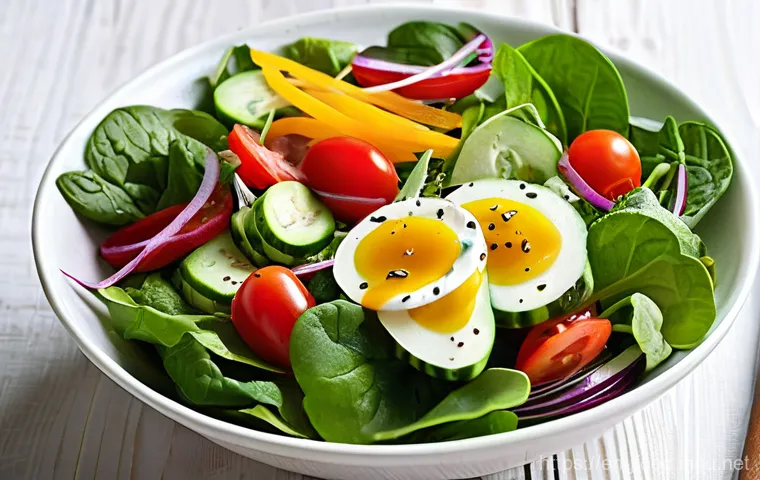
Beyond the Bowl: Miso in Dressings and Dips
It’s so easy to get stuck in a rut, isn’t it? For years, I truly believed miso’s main role was in that comforting, warm soup we all adore. But oh, how wrong I was!
I remember the first time I whisked a spoonful of white miso into a simple vinaigrette. It was for a boring weeknight salad, and honestly, I was just trying to use up the tub in my fridge.
The transformation was absolutely mind-blowing. The dressing went from “meh” to “wow!” in an instant, adding a rich, savory depth and a subtle creaminess that I never knew I needed.
Now, my salad dressings, whether for crisp greens, roasted vegetables, or even a grain bowl, almost always get a little miso magic. It’s especially fantastic in Asian-inspired dressings, blending beautifully with ginger, garlic, soy sauce, and rice vinegar to create an explosion of flavors that hits all the right notes – sweet, sour, salty, and incredibly umami.
I’ve found it makes even the simplest steamed vegetables taste gourmet. And let’s not forget dips! Miso blended with a little mayo or even some cashew cream makes an unbelievably delicious dip for veggie sticks or a spread for sandwiches.
It adds a “je ne sais quoi” that makes you keep coming back for more, without even realizing what that secret ingredient is. The probiotics in miso are a bonus, too, giving your gut a little love with every tasty bite.
Roast, Grill, and Sauté: Miso’s Savory Embrace
If you haven’t yet experimented with miso in your savory cooking beyond soup, you’re in for a treat! This is where miso truly shines for me. I’ve personally discovered that a good miso glaze can turn a humble piece of salmon or chicken into something truly spectacular.
Think about brushing a thick, sweet-and-savory miso glaze over fish or poultry before it hits the oven or grill. The sugars in the miso caramelize beautifully, creating this incredible sticky, slightly charred crust that’s just irresistible.
I even whisk it into my stir-fry sauces for an extra layer of flavor that makes everything taste richer and more satisfying. When I’m making roasted vegetables, like Brussels sprouts or sweet potatoes, tossing them with a bit of miso paste, maple syrup, and a hint of ginger before roasting completely elevates them.
They get this gorgeous golden-brown color and a deep, earthy flavor that’s just addictive. It’s like miso gives everything a warm hug, enhancing the natural flavors of the ingredients without overpowering them.
This technique is a game-changer for plant-based meals, giving vegetables a hearty, almost meaty quality that I absolutely adore.
Transformative Marinades and Glazes
The Secret to Succulent Meats and Veggies
Marinating is one of my favorite kitchen hacks for packing flavor into food, and miso paste has completely revolutionized my approach. Forget those bland marinades that just sit on the surface; miso truly permeates and tenderizes, making meats incredibly succulent and vegetables profoundly flavorful.
I’ve personally used a miso-based marinade on everything from chicken thighs to tofu and even hearty portobello mushrooms, and the results are always outstanding.
A typical miso marinade for me involves white or yellow miso, a splash of sake or mirin for that authentic Japanese touch (though white wine works in a pinch!), a touch of brown sugar for sweetness, and maybe some ginger and garlic.
Letting proteins soak in this mixture for a few hours, or even overnight if I’m feeling organized, makes a huge difference. When it cooks, whether I’m grilling, baking, or pan-frying, the miso creates this beautiful, complex crust that is both savory and slightly sweet.
It’s such a simple step, but it elevates the entire meal, making it taste like something you’d get at a fancy restaurant. I always feel like I’ve unlocked a culinary secret when I see how perfectly browned and flavorful everything turns out.
Crafting Irresistible Miso Glazes
Beyond marinades, miso glazes are another area where this ingredient truly shines. A good glaze is all about creating a sticky, glossy finish that bursts with flavor, and miso is the perfect base for that.
I often whip up a quick miso glaze with just a few ingredients: miso paste, soy sauce, rice vinegar, a touch of brown sugar or maple syrup, and sometimes a hint of sesame oil or sriracha for a little kick.
This versatile glaze is my go-to for so many dishes. It’s incredible brushed over roasted salmon or cod, adding that signature umami depth that fish just loves.
But don’t stop there! I’ve also brushed it over roasted eggplant slices, grilled chicken wings, and even stir-fried tofu, and it transforms them into something utterly delicious.
The combination of salty, sweet, and umami notes is just perfectly balanced. Plus, it’s so quick to make – usually just a few minutes of whisking or simmering – which is perfect for those busy weeknights when you want maximum flavor with minimal effort.
I love seeing how easily it makes a simple meal feel special and well-thought-out.
The Unexpected Sweet Side of Miso
Desserts with a Savory Twist
Now, I know what you might be thinking: miso… in dessert? I was skeptical at first too! But trust me on this one, it’s a game-changer.
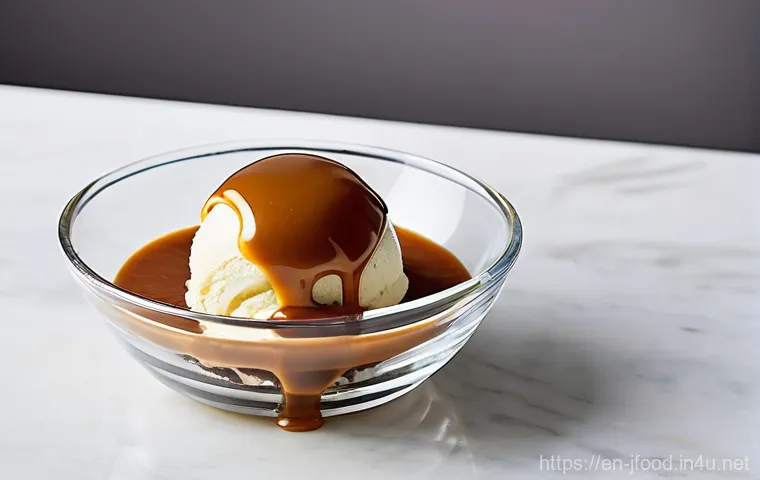
The first time I tried a miso caramel, it was in an ice cream sundae, and it utterly blew my mind. That subtle hint of saltiness and deep umami from the miso cuts through the sweetness in the most incredible way, creating a complex flavor profile that’s utterly addictive.
I’ve since experimented with it in chocolate chip cookies, and let me tell you, white miso adds a richness and a slight chewiness that makes them truly unforgettable.
It’s like the secret ingredient that makes everyone ask, “What *is* that amazing flavor?” Without knowing, they just experience this elevated, perfectly balanced sweet treat.
I even heard about miso being used in chocolate tarts and brownies to intensify the chocolate flavor and make them fudgier. It’s all about that salty-sweet synergy, and miso brings a depth that plain salt just can’t achieve.
If you’re looking to impress with a dessert that’s a little bit unconventional but still incredibly delicious, a touch of white miso is your new best friend.
It’s an adventure for your taste buds, and one I highly recommend embarking on!
Breaking the Mold: Miso in Baked Goods
Beyond traditional desserts, miso also has a surprising place in other baked goods. I’ve found it can add an incredible depth and a nuanced savory note to things like apple crisps or even some bread recipes.
When you mix a mild white miso into a streusel topping for an apple crisp, for instance, it helps mellow out the sweetness of the brown sugar and truly enhances the spices.
The earthy undertones of miso complement the fruit in a way that just ties everything together, making for a truly well-rounded, comforting dessert. It’s not about making things taste “miso-y” in a weird way, but about adding a layer of complexity and a touch of savory balance that makes everything more interesting and addictive.
For me, it’s about pushing the boundaries of flavor and discovering new ways to make familiar dishes exciting. If you’re a baker who loves to experiment and create unique flavor profiles, incorporating miso into your sweet creations is definitely something you should try.
It’s one of those “aha!” moments in cooking that makes you feel like a culinary genius.
The Wonderful World of Miso Types
Demystifying White, Yellow, and Red Miso
Stepping into the world of miso can feel a little daunting at first, with all the different colors and names on the market. But trust me, understanding the basics opens up so many possibilities!
From my own kitchen experience, I’ve learned that the color usually gives you a good hint about its flavor profile and how it’s best used. White miso, or “shiro miso,” is typically fermented for the shortest period, often with a higher proportion of rice koji.
This gives it a sweeter, milder flavor and a lighter color, ranging from creamy white to pale beige. It’s my absolute favorite for lighter dressings, delicate sauces, and even those surprising sweet applications because it won’t overpower other ingredients.
Then there’s yellow miso, or “shinshu miso,” which sits beautifully in the middle. It’s usually fermented a bit longer than white miso, often with barley or a mix of grains, giving it a mild, earthy, and balanced flavor that’s incredibly versatile.
It’s my go-to for everyday cooking, from marinades to soups. Finally, red miso, or “aka miso,” is the boldest of the bunch. It has a longer fermentation period and a higher soybean content, resulting in a deeper red to dark brown color and a more pungent, salty, and robust umami flavor.
I reach for red miso when I need something to stand up to hearty stews, braised meats, or rich glazes where I want that intense umami kick. It’s definitely not for the faint of heart, but incredibly rewarding in the right dish.
Awase Miso: The Versatile Blend
Beyond the primary categories, you’ll often spot “awase miso” on store shelves, and this one is a true gem for any home cook. Awase miso simply means “blended miso,” usually a combination of white and red miso.
I absolutely love having awase miso in my fridge because it offers the best of both worlds: it captures the mild sweetness and lightness of white miso alongside the rich, assertive depth of red miso.
This harmonious balance makes it incredibly versatile, and if you’re new to miso and want a single all-rounder, awase is often the perfect starting point.
It’s light brown in color and, in my experience, it adapts beautifully to almost any recipe that calls for miso, from soups and marinades to dressings and glazes.
It’s like having two types of miso in one convenient package, saving you fridge space and providing a consistently delicious flavor profile that I find genuinely makes my cooking easier and more flavorful.
Health Benefits You Can Truly Feel
A Probiotic Powerhouse for Gut Health
One of the most exciting aspects of miso, beyond its incredible flavor, is its impressive health benefits. As someone who’s really focused on well-being, I’ve been thrilled to learn that miso is a fantastic source of probiotics, the beneficial bacteria that are absolutely crucial for a healthy gut.
The traditional fermentation process, involving soybeans, salt, and koji, creates these live cultures, transforming simple ingredients into a powerhouse for your digestive system.
I’ve personally noticed a difference in my own digestion since regularly incorporating unpasteurized miso into my diet. These probiotics help to balance your gut flora, which can lead to better digestion, reduced bloating, and overall improved gut health.
It’s not just about adding flavor; it’s about nourishing your body from the inside out. Knowing that something so delicious is also actively contributing to my well-being makes me even more enthusiastic about finding new ways to use it.
Boosting Immunity and Nutrient Absorption
The benefits of miso extend far beyond just digestion. The healthy gut flora fostered by miso’s probiotics can also play a significant role in strengthening your immune system.
I mean, who doesn’t want to stay healthier, especially these days? Research suggests that a probiotic-rich diet, like one that includes miso, can actually help reduce your risk of getting sick and even speed up recovery from infections like the common cold.
Plus, the fermentation process in miso also helps break down antinutrients naturally found in soybeans, which means your body can better absorb all those wonderful vitamins and minerals that miso contains, like manganese, vitamin K, copper, and zinc.
I find it amazing that a single ingredient can offer such a comprehensive boost to my health. It’s a nutrient-rich, versatile condiment that I now consider an essential staple in my kitchen, not just for its taste, but for the tangible benefits I feel in my everyday life.
Making Miso Work for Your Lifestyle
Simple Swaps for Savory Depth
Incorporating miso into your daily cooking doesn’t have to be a big, complicated affair. I’ve found some super simple swaps that add incredible savory depth without much effort at all.
For instance, if a recipe calls for a bit of salt in a savory dish, try replacing a portion of it with a tiny spoonful of miso paste. It instantly adds that sought-after umami complexity that salt alone just can’t deliver.
I do this often in scrambled eggs – a tiny dab of white miso mixed into the eggs before cooking gives them an unbelievably rich, almost cheesy flavor.
Another go-to for me is stirring a little into my pan sauces after searing meat or vegetables. It emulsifies beautifully and creates a restaurant-quality sauce in minutes, adding a lovely depth that makes the whole meal feel elevated.
It’s these little tweaks that transform an ordinary meal into something truly memorable, and honestly, once you start, you’ll wonder how you ever cooked without it.
Miso is incredibly forgiving, so don’t be afraid to experiment and see where its magic takes you!
Miso Butter and Beyond: Flavorful Foundations
If you’re looking for even more ways to infuse that amazing miso flavor into your cooking effortlessly, consider making a miso compound butter. This is one of my personal favorites!
Just blend softened butter with a bit of miso paste, maybe some fresh herbs or garlic, and roll it into a log. You can then slice off a pat to melt over grilled steaks, roasted chicken, or even steamed vegetables.
The savory-salty kick it adds is just divine. I also love using miso to enrich broths beyond traditional miso soup. Whether I’m making a ramen broth from scratch or just want to boost the flavor of a simple vegetable broth, a spoonful of miso whisked in at the end makes all the difference.
It adds body and a depth of flavor that makes the broth incredibly satisfying. And for those plant-based meals, miso can be a total game-changer, providing a “meaty” essence without any actual meat, which I find incredibly useful for making vegan or vegetarian dishes feel substantial and delicious.
It’s all about building layers of flavor, and miso is one of the easiest and most effective tools in my culinary arsenal.
The Versatility of Miso in Your Kitchen
More Than Just a Condiment: Miso in Sauces
I’ve learned that miso is so much more than just a paste; it’s a flavor foundation that can elevate almost any sauce. Think about your favorite rich, savory sauces for pasta, stir-fries, or even a dipping sauce for appetizers.
A spoonful of miso paste can add an incredible layer of umami that makes these sauces sing. For instance, I’ve seen it used to temper the acidity in tomato-based pasta sauces, giving them a much deeper, more complex flavor profile.
It’s also brilliant in a simple peanut sauce for skewers or spring rolls, providing a creamy, savory backbone that balances out other flavors like ginger, garlic, and lime.
When I’m trying to add that “something extra” to a sauce, but I can’t quite put my finger on it, miso is often the answer. It brings a fermenty, savory richness that ties everything together and makes the sauce feel incredibly gourmet, even with minimal effort.
This ability to enhance and deepen flavors is why it’s become an indispensable part of my sauce-making repertoire.
Enhancing Everyday Meals with a Miso Boost
Beyond specific recipes, I’ve found that miso can be a quiet hero in enhancing so many everyday meals. I often stir a little into my oatmeal in the morning, creating a savory breakfast that’s surprisingly satisfying and full of good-for-you probiotics.
It’s a completely different experience from sweet oatmeal and one that I’ve grown to truly love. Another trick I use is adding a touch of miso to vegan mac and cheese recipes.
It provides a savory, almost cheesy depth that’s absolutely delicious and makes plant-based dishes feel incredibly rich and comforting. Even something as simple as a cheese toastie gets an incredible flavor boost with a thin spread of miso.
It amplifies the cheesy notes and adds an unexpected layer of savoriness that makes it feel much more gourmet. These aren’t just one-off experiments; they’re genuinely delicious ways I’ve integrated miso into my regular routine, proving just how versatile and impactful this humble paste can be.
| Miso Type | Color Range | Fermentation Period | Flavor Profile | Best Uses (My Experience & Common Practice) |
|---|---|---|---|---|
| White Miso (Shiro Miso) | White to Pale Beige | Shortest | Mild, Sweet, Light, Delicate | Dressings, light sauces, marinades for fish/poultry, desserts (cookies, caramel), compound butter, vegan mac & cheese. |
| Yellow Miso (Shinshu Miso) | Yellow to Light Brown | Medium | Mild, Earthy, Balanced, Versatile | General cooking, everyday soups, marinades for chicken/pork/tofu, stir-fries, glazes, seasoning vegetables. |
| Red Miso (Aka Miso) | Red to Dark Brown | Longest | Pungent, Salty, Robust, Strong Umami | Hearty soups, stews, braised dishes, rich glazes for red meat, robust marinades, dark chocolate desserts, chili. |
| Awase Miso (Blended Miso) | Light to Medium Brown | Variable (Blend) | Balanced, Combines sweet and savory, Highly Versatile | All-purpose cooking, soups, marinades, dressings, glazes, general seasoning. Great starting point for beginners. |
Wrapping Things Up
And there you have it, my friends! We’ve taken quite a journey through the incredible world of miso, from its traditional roots in comforting soups to its surprising versatility in everything from salad dressings and glazes to even decadent desserts. I truly hope that hearing about my own kitchen adventures and discoveries has inspired you to open that tub of miso in your fridge (or finally pick one up!) and start experimenting. It’s an ingredient that truly keeps on giving, not just in terms of mind-blowing flavor and umami depth, but also with its amazing health benefits. Remember, cooking should be an adventure, a chance to play and explore, and miso offers a fantastic playground for your taste buds. Don’t be afraid to get creative; you might just discover your next favorite dish!
Good to Know Info
1. Always store your miso paste in the refrigerator after opening. It will last for a surprisingly long time, often several months to a year, but always check for any off smells or mold if it’s been in there for ages.
2. If you’re using unpasteurized miso for its probiotic benefits, remember to add it at the very end of cooking, after removing the dish from the heat. High temperatures can kill off those beneficial live cultures.
3. Miso is naturally quite salty, so be sure to taste your dishes as you go and reduce or omit any additional salt you might usually add. It’s all about balance!
4. Experiment with different types of miso beyond what we discussed. There are regional varieties and specialty misos that offer even more nuanced flavors. Think of it as exploring a whole new world of taste!
5. A little goes a long way! Miso packs a powerful flavor punch, so start with a small amount and add more gradually until you reach your desired depth. It’s easier to add than to take away!
Key Takeaways
At its heart, miso is a culinary chameleon, an ingredient that effortlessly transforms and elevates any dish it touches. My experience has shown me that it’s not just for Japanese cuisine; its rich umami and unique savory-sweet balance make it a universal flavor enhancer, perfect for everything from robust marinades and glazes to surprisingly delightful desserts. Beyond taste, knowing that each spoonful contributes to my gut health and overall well-being makes it an indispensable staple in my kitchen. So, whether you’re a seasoned chef or just starting your culinary journey, embracing miso is a simple step that promises to unlock a world of deeper flavors and healthier eating.
Frequently Asked Questions (FAQ) 📖
Q: Okay, you’ve convinced me miso is amazing! But with so many types out there, how do I even pick the right one for my cooking?
A: Oh, I totally get it! Walking down the international aisle can feel a bit overwhelming with all the different miso options. When I first started experimenting, I just grabbed whatever, but I quickly learned that picking the right type really does make a difference.
Think of miso in terms of color and fermentation time, which usually indicates its strength. White Miso (Shiro Miso): This is your gentle, sweet, and mild friend.
It’s fermented for a shorter period, often with a higher rice koji content. I absolutely adore using shiro miso for lighter dishes, like delicate salad dressings, creamy dips, or even a subtle glaze for fish.
It adds a lovely, understated umami without overpowering other flavors. If you’re new to miso, this is where I’d tell you to start! Yellow Miso (Shinshu Miso): This is kind of your all-rounder, a fantastic everyday miso.
It’s got a bit more depth than white miso, with a slightly earthy, savory flavor, but it’s still incredibly versatile. I find myself reaching for yellow miso most often for my go-to miso soups, marinades for chicken or tofu, and even in robust vegetable stir-fries when I want that satisfying umami kick.
Red Miso (Aka Miso): Now, this is where things get serious! Red miso is fermented for longer, sometimes with barley, giving it a much stronger, saltier, and more pungent flavor.
It’s a powerhouse, perfect for heartier stews, braises, or rich glazes where you really want that deep, funky umami to shine through. I’ve personally used it to create the most incredible umami bombs in my slow-cooked chili and even as a secret ingredient in my homemade barbecue sauce.
Just remember, a little goes a long way with red miso! My personal advice? Don’t be afraid to try a few!
You’ll quickly discover which ones resonate with your palate and your cooking style. I keep a tub of shiro and a tub of shinshu in my fridge at all times for maximum flexibility.
Q: I’ve always just thought of miso for soup. What are some easy and exciting ways I can start using it in my everyday meals right now?
A: Okay, this is my absolute favorite question because it lets me share all the glorious ways miso has revolutionized my kitchen! Ditching the “soup-only” mindset was a total game-changer for me, and trust me, it will be for you too.
Dressings & Dips: This is probably the easiest entry point. A dollop of white or yellow miso in your vinaigrette adds such a complex, savory depth you won’t believe it.
I literally just whisk a teaspoon of miso with olive oil, a splash of apple cider vinegar, a touch of honey or maple syrup, and a squeeze of lemon – it’s divine on everything from a simple green salad to roasted veggies.
It also makes an incredible base for a creamy, probiotic-rich dip for fresh-cut veggies. Marinades & Glazes: Oh, honey, this is where the magic really happens!
Miso tenderizes and infuses proteins with mind-blowing flavor. My go-to is a simple mix of yellow miso, soy sauce (or tamari), a touch of grated ginger and garlic, and a hint of sesame oil.
Slather it on chicken, salmon, or pork before roasting or grilling. I’ve personally found it gives the most beautiful caramelization and an incredibly savory crust.
It’s also fantastic as a glaze for roasted carrots or eggplant – trust me, even veggie skeptics will be asking for seconds! Flavor Boost for Roasting: Next time you’re roasting vegetables, try tossing them with a tiny bit of miso paste dissolved in a touch of oil before they hit the oven.
Brussels sprouts, broccoli, sweet potatoes – you name it. The miso caramelizes beautifully and adds an unparalleled umami punch. It’s an instant upgrade, making even the simplest veggies feel gourmet.
Compound Butter: This is a little secret weapon of mine! Soften some unsalted butter, mix in a spoonful of white miso, and a pinch of chives. Roll it into a log and chill.
Use slices on top of grilled steak, roasted chicken, or even smeared on warm toast. It’s luxurious, savory, and completely unexpected. I encourage you to just play around!
Start small, taste as you go, and you’ll quickly find yourself adding that little miso flourish to so many dishes. It truly unlocks a new level of flavor.
Q: You mentioned gut health and wellness – how exactly does miso contribute to that, and am I getting all those benefits even when I cook with it?
A: This is such a smart question, and one I thought about a lot when I first started incorporating miso more regularly into my diet! You’re absolutely right to wonder about the health aspects.
Miso is a fermented food, which means it’s packed with beneficial bacteria, those amazing probiotics that our gut absolutely loves. Gut Health Hero: Just like yogurt, kimchi, or sauerkraut, miso fermentation introduces live, active cultures that can contribute to a healthier gut microbiome.
A balanced gut is linked to everything from improved digestion and nutrient absorption to a stronger immune system and even better mood. When I started being more mindful of incorporating fermented foods like miso, I personally noticed a real difference in my digestion – things just felt a lot smoother, if you know what I mean!
Nutrient Powerhouse: Beyond probiotics, miso is also a good source of protein, essential minerals like zinc, copper, and manganese, and B vitamins. Plus, the fermentation process can actually make some of these nutrients more bioavailable, meaning your body can absorb and utilize them more easily.
What about cooking? Okay, here’s the nuance: intense, prolonged heat can diminish the live probiotic content in miso. So, if your primary goal is to maximize those live cultures, I’ve found it’s best to add miso after a dish has cooked, or at least at the very end.
For example, when making miso soup, I always whisk in the miso paste right before serving, after turning off the heat. But don’t fret if you cook with it!
Even when heated, miso still retains its incredible flavor-enhancing properties and many of its nutritional benefits (protein, minerals, etc.). Think of it this way: if you’re using miso in a marinade for roasted chicken or a glaze for veggies, you might lose some of the live probiotics, but you’re still getting that fantastic umami boost, some nutrients, and you’re likely replacing less healthy ingredients.
It’s a win-win in my book! My personal approach is a mix: I use it cold in dressings and dips to get the full probiotic punch, and I also cook with it for flavor, knowing I’m still adding a nutritious, delicious ingredient to my meals.
Don’t let the cooking temperature stop you from enjoying its amazing taste and benefits!