Hey there, sweet tooths! Have you ever scrolled through your feed and stopped dead in your tracks, absolutely captivated by the delicate beauty of a Japanese dessert?
I totally get it – there’s just something magical about their subtle flavors and stunning presentation that makes them irresistible. After countless attempts and a few happy accidents in my own kitchen, I’ve discovered that recreating these delightful treats isn’t as daunting as it seems.
It’s truly a rewarding experience, a little piece of edible art you can craft yourself! If you’re ready to unlock the secrets to making these exquisite goodies right at home, let’s dive into all the delicious details.
Hey there, sweet tooths! Have you ever scrolled through your feed and stopped dead in your tracks, absolutely captivated by the delicate beauty of a Japanese dessert?
I totally get it – there’s just something magical about their subtle flavors and stunning presentation that makes them irresistible. After countless attempts and a few happy accidents in my own kitchen, I’ve discovered that recreating these delightful treats isn’t as daunting as it seems.
It’s truly a rewarding experience, a little piece of edible art you can craft yourself! If you’re ready to unlock the secrets to making these exquisite goodies right at home, let’s dive into all the delicious details.
Unlocking the Pantry Secrets: Essential Ingredients for Authentic Flavors
There’s a common misconception that Japanese desserts require a whole host of exotic, hard-to-find ingredients, but I’m here to tell you that’s simply not true for many foundational recipes!
When I first started my journey into Japanese confectionery, I spent ages scouring specialty stores and online marketplaces, convinced I needed some mystical powder or rare fruit.
Turns out, a lot of the magic comes from a few core components that, once you have them, open up a world of culinary possibilities. It’s like building a reliable wardrobe – you need those versatile staples before you start accessorizing.
Understanding these basics isn’t just about buying them; it’s about appreciating how each one contributes to the unique textures and subtle flavors that make Japanese desserts so incredibly special.
Trust me, investing a little time upfront to gather these treasures will save you so much hassle down the line and truly elevate your home baking game.
It’s the difference between merely following a recipe and genuinely understanding the craft. Plus, once you have them, you’ll find yourself reaching for them more often than you think, experimenting and creating your own delicious twists!
My pantry now boasts a dedicated section for these essentials, and it brings me so much joy to know I’m always ready to whip up a delightful treat on a whim.
The Marvel of Mochiko and Rice Flours
Ah, rice flours! If there’s one ingredient that defines the chewiness and delicate texture of many Japanese sweets, it’s this family of flours. Specifically, *mochiko* (sweet glutinous rice flour) is your absolute best friend for anything mochi-related.
It’s a versatile ingredient used for chewy mochi, delicate daifuku, and tender rice flour cakes known as wagashi. I remember my first attempt at homemade mochi – a slightly sticky, slightly dense, but utterly delicious blob that hardly resembled the perfectly pliable discs I’d seen.
With more practice, and crucially, using the right type of mochiko, I started getting that incredible, bouncy texture that’s so addictive. It’s not just about the “rice” part; the “glutinous” part is key here, providing that signature chew.
Beyond mochiko, you’ll also encounter *joshinko* (non-glutinous rice flour) which lends a firmer, less stretchy texture to some treats like *dango*. Don’t confuse them!
Using joshinko for mochi will result in a tough, crumbly mess, as I learned the hard way with a very disappointing batch of sakura mochi. Always double-check your labels!
I’ve found that high-quality brands make a noticeable difference in the final product’s texture and overall success.
Sweetening the Deal: Azuki Beans and Matcha
These two ingredients are practically synonymous with Japanese desserts, aren’t they? *Azuki* (red beans) are transformed into *anko*, a sweet paste that’s the heart and soul of countless treats, from dorayaki to daifuku.
Making your own anko from scratch is incredibly rewarding, though it does take a bit of time and patience. The first time I simmered those beautiful maroon beans, adding just the right amount of sugar, and watched them transform into a smooth, glistening paste, I felt a genuine sense of accomplishment.
The flavor is so much richer and less cloyingly sweet than store-bought versions. Then there’s *matcha*, the vibrant green tea powder that brings its distinctive earthy, slightly bitter, and beautifully aromatic notes.
It’s not just for drinking! Matcha can infuse cakes, cookies, ice cream, and even mochi with its unique character. My personal tip?
Always opt for ceremonial or culinary grade matcha, especially if you’re baking. The difference in color, aroma, and flavor between a high-quality matcha and a cheap, dull green powder is night and day.
Trust me, your taste buds will thank you, and your desserts will look infinitely more appealing.
Beyond the Recipe: Mastering Key Japanese Dessert Techniques
You can have all the right ingredients in the world, but without understanding the fundamental techniques, your Japanese dessert journey might feel a bit like trying to paint a masterpiece with all the right colors but no brushstrokes.
I’ve been there, staring at a recipe, thinking I had it all figured out, only to end up with something that tasted good but looked… well, let’s just say “rustic.” What I’ve come to appreciate is that many traditional Japanese dessert-making methods emphasize precision, patience, and a delicate touch.
It’s less about brute force and more about coaxing ingredients into their perfect form. These aren’t just steps; they’re almost rituals that have been perfected over centuries, designed to bring out the best in simple components.
Once you grasp these core techniques, it’s like unlocking a secret language in the kitchen – suddenly, recipes make more sense, and you’ll find yourself instinctively knowing how to adjust and adapt.
It’s incredibly empowering and makes the whole baking process so much more enjoyable and less stressful. I’ve found that approaching these techniques with a sense of calm and respect for the process really makes a difference in the final outcome.
Kneading Mochi to Perfection
Ah, the art of kneading mochi! This isn’t your typical bread dough kneading, folks. Mochi requires a specific touch to achieve that perfect, stretchy, yet soft texture.
I remember my early days, furiously kneading cooked mochiko dough like it was sourdough, only to end up with a tough, unyielding mass. The secret, I’ve learned through countless sticky experiments, is a combination of gentle yet firm pressure and often, heat.
Many traditional methods involve steaming the dough and then pounding it, but for home cooks, stirring and kneading over low heat on the stove (or even in a microwave in short bursts) is more practical.
The goal is to develop that incredible elasticity. As you work it, you’ll feel the dough transform from a lumpy, sticky mess into a smooth, glossy, and pliable ball.
It’s a bit of a workout, but the tactile satisfaction of feeling that dough come alive under your hands is truly something else. Don’t be afraid to get a little sticky – it’s part of the fun!
And a pro tip from my own experience: keep your hands lightly dusted with cornstarch or potato starch to prevent sticking, but don’t overdo it, or your mochi will dry out.
Achieving the Silky Smooth Anko
Making truly silky smooth anko, that sweet red bean paste, is a skill that takes a bit of practice but pays off immensely. While you can certainly buy canned anko, the homemade version, in my humble opinion, is miles better, offering a nuanced sweetness and a fresher taste.
The key to that luxurious texture lies in the meticulous process of simmering, mashing, and sometimes, even passing the cooked beans through a sieve. My first few batches were a bit chunky, and while still delicious, they lacked that refined mouthfeel.
I discovered that patience during the simmering phase, ensuring the beans are incredibly tender, is crucial. After that, mashing them while still warm, either with a potato masher or a sturdy spoon, breaks them down beautifully.
For a truly smooth *koshian* (smooth anko), you’ll want to push the mashed beans through a fine-mesh sieve. This step might seem tedious, but it removes all the skins and yields an unbelievably velvety paste.
It’s a labor of love, but the difference in texture in your daifuku or dorayaki will be immediately apparent and utterly delightful.
Your First Step into Wagashi Wonderland: Simple Treats to Try
Stepping into the world of Japanese sweets, or *wagashi*, can feel a bit overwhelming with all the intricate shapes and delicate presentations. But honestly, it doesn’t have to be a high-pressure culinary school project!
My philosophy has always been to start with the basics, build confidence, and then gradually expand my repertoire. Think of it like learning to play an instrument – you don’t start with a concerto, you learn your scales first.
There are so many delightful Japanese desserts that are surprisingly straightforward to make at home, even for a beginner. These aren’t just “easy” in a bland, uninteresting way; they are genuinely delicious, authentic, and perfect for impressing your friends or simply treating yourself.
I’ve had some of my most satisfying baking moments with these simpler recipes, proving that elegance doesn’t always have to equate to complexity. It’s about understanding the core elements and letting the natural beauty of the ingredients shine through.
Don’t let the seemingly elaborate appearances fool you; with a little guidance, you’ll be crafting these beauties in no time!
Mochi Delights: Daifuku and Dango
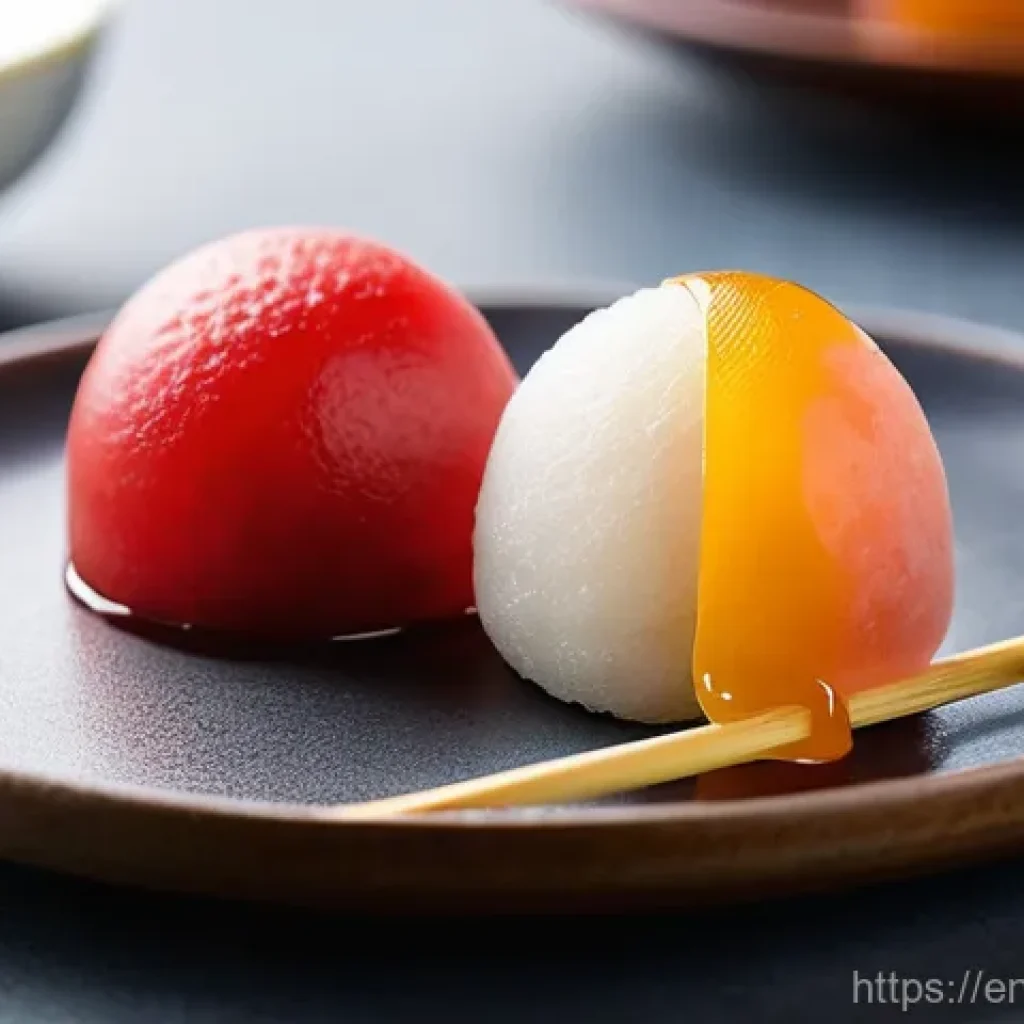
When it comes to beginner-friendly mochi, *daifuku* and *dango* are my absolute go-to recommendations. *Daifuku* are those charming little mochi balls filled with sweet anko, sometimes even with a whole strawberry tucked inside (*ichigo daifuku*).
The joy of biting into that soft, chewy exterior and discovering the sweet, slightly earthy anko, followed by the burst of fresh fruit, is simply unparalleled.
They’re surprisingly easy to assemble once you’ve got your mochi dough ready and your anko prepared. My top tip for making daifuku look perfect is to really take your time stretching the mochi around the filling, ensuring there are no air pockets and a smooth seam.
As for *dango*, those adorable skewers of rice flour dumplings, they’re even simpler! Often served with a sweet soy glaze (*mitarashi dango*) or covered in *kinako* (roasted soybean flour), they offer a different kind of mochi experience – firmer, yet still delightfully chewy.
I vividly remember making my first batch of mitarashi dango; the sticky-sweet glaze coating the perfectly grilled dumplings was pure comfort food on a chilly evening.
They’re fantastic for a quick dessert fix or a fun project with kids.
Dorayaki: The Pancake Sandwich of Joy
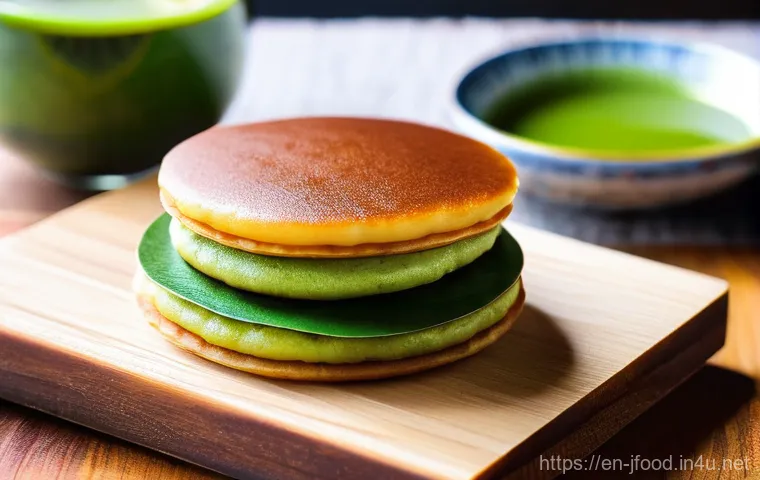
If you love pancakes, you’re going to adore *dorayaki*. Imagine two fluffy, honey-infused pancakes embracing a generous filling of sweet anko. That’s dorayaki, and it’s pure bliss.
What I love about dorayaki is how accessible it feels – it’s essentially a Japanese-style pancake, so the cooking method isn’t too far off from what many of us are already familiar with.
The key to perfect dorayaki is getting that beautiful, even golden-brown color on your pancakes and ensuring they’re light and airy. My trick for achieving consistent rounds is to use a ¼ cup measure for the batter, pouring it gently into a lightly oiled non-stick pan.
The batter itself is quite forgiving, usually involving eggs, sugar, honey, flour, and a leavening agent. Once cooked and cooled, you simply spread a dollop of anko on one pancake and top it with another.
It’s a fantastic entry point into Japanese baking, and honestly, a plate of freshly made dorayaki with a cup of green tea is one of life’s simple, yet profound, pleasures.
I often make extra batter and keep it in the fridge for impromptu dorayaki sessions!
The Art of Plating: Making Your Desserts Photo-Ready
Let’s be real, we eat with our eyes first, especially in the age of Instagram and TikTok! And when it comes to Japanese desserts, presentation isn’t just an afterthought; it’s an integral part of the experience.
The beauty of wagashi, in particular, lies in its delicate aesthetics, often mirroring seasonal changes or natural elements. I used to think plating was just for fancy restaurants, but I’ve discovered that even simple home-baked treats can be elevated with a little thoughtful arrangement.
It doesn’t require expensive tools or elaborate garnishes – sometimes, less is truly more. Learning to present your desserts beautifully doesn’t just make them more appealing; it enhances the entire enjoyment of the food, turning a simple treat into a moment of mindful indulgence.
I’ve noticed a huge difference in how my friends react to a dessert when it’s carefully presented versus just plopped on a plate. It truly adds to the perceived value and makes the whole experience feel more special and intentional, which is exactly what we want, right?
Simple Garnishes for Stunning Effects
You don’t need to be a professional pastry chef to add a touch of elegance to your desserts. Often, the simplest garnishes can make the biggest impact.
For many Japanese sweets, a sprinkle of *kinako* (roasted soybean flour) or *matcha* powder can add both visual interest and an extra layer of flavor.
I love using a small sieve to dust these powders evenly over mochi or dorayaki, creating a soft, ethereal cloud. A fresh mint leaf, a small edible flower, or a few artfully placed fresh berries can also work wonders, adding a pop of color and freshness.
If you’re making *ichigo daifuku* (strawberry mochi), leaving a tiny bit of the strawberry peeking out can be incredibly charming. Don’t underestimate the power of contrast in color and texture.
For instance, a dark piece of *yokan* (red bean jelly) looks even more striking when placed on a light-colored plate with a bright green matcha dusting.
It’s all about playing with what you have and finding harmonious combinations.
Choosing the Right Serving Ware
The vessel you choose for your dessert can drastically change its perceived elegance. For Japanese sweets, I find that simple, minimalist ceramics or lacquerware often work best, allowing the dessert itself to be the star.
Think about the colors and textures of your plate: a pale green ceramic dish might beautifully complement a vibrant red *nerikiri*, while a dark, rustic plate could highlight the delicate pastel shades of *sakura mochi*.
Small, individual plates or shallow bowls are often preferred over large, dinner-sized ones, as they emphasize the preciousness of the treat. My collection of small, handmade ceramic plates has grown significantly since I started making Japanese desserts, and I genuinely believe they make a huge difference.
Don’t forget about napkins or small serving cloths – a simple linen napkin can add a touch of sophistication. It’s about creating a complete, inviting tableau, not just serving food.
Sipping Sweetly: Perfect Pairings for Your Japanese Treats
One of the joys of indulging in Japanese desserts isn’t just the sweet treat itself, but the entire experience, and that often includes a perfectly paired beverage.
I’ve discovered that the right drink can truly elevate the subtle flavors of wagashi, making each bite even more delightful. It’s a bit like finding the perfect dance partner – they just bring out the best in each other.
Many traditional Japanese sweets are designed to be enjoyed with tea, and there’s a good reason for that! The slight bitterness and warmth of certain teas act as a beautiful counterpoint to the sweetness of the dessert, cleansing the palate and preparing it for the next delicious mouthful.
But it’s not just about tea; there are other delightful pairings that can surprise and satisfy. Exploring these combinations has become a fun part of my dessert-making journey, turning a simple snack into a truly sensory experience.
It’s all about enhancing those delicate notes and creating a harmonious balance that leaves you feeling utterly content.
The Timeless Elegance of Green Tea
When in doubt, green tea is almost always the answer when pairing with Japanese desserts. From the vibrant, frothy *matcha* to the milder, refreshing *sencha* or the toasty *hojicha*, there’s a green tea for every wagashi.
For richer, sweeter treats like *dorayaki* or *anko-filled mochi*, a bowl of whisked matcha is truly sublime. Its slight bitterness cuts through the sweetness beautifully, cleansing your palate with each sip.
I absolutely adore the ritual of preparing matcha – the whisking, the earthy aroma – it just makes the whole dessert experience feel so much more intentional.
For lighter, more delicate desserts, like a subtly flavored *nerikiri* or *yokan*, a gentle *sencha* or *genmaicha* (green tea with roasted rice) can be perfect.
The warmth and subtle nutty notes of *genmaicha*, in particular, complement many rice-based sweets without overpowering them. It’s all about finding that balance, and generally, green teas are experts at achieving it.
Beyond Tea: Exploring Other Delicious Drinks
While green tea is the classic pairing, don’t feel limited! Sometimes, a different kind of beverage can offer an exciting contrast or complement. For instance, cold *sake* (Japanese rice wine), especially a dry *junmai* or *ginjo*, can be surprisingly wonderful with less sweet or fruit-based wagashi.
Its clean, crisp notes can highlight the freshness of seasonal ingredients. I once tried pairing a light fruit *mochi* with a chilled sparkling sake, and it was a revelation – the effervescence and subtle sweetness of the sake perfectly echoed the dessert.
For those who prefer non-alcoholic options, a mild, lightly sweetened soy milk can be a comforting accompaniment, particularly with mochi or baked goods.
And if you’re enjoying something like a *matcha* cheesecake or *matcha* tiramisu, a simple glass of cold milk can actually work wonders, allowing the creamy textures and distinct matcha flavor to really shine through.
It’s all about experimenting and finding what you personally enjoy most!
Troubleshooting Sweet Sorrows: Common Mishaps and Quick Fixes
Let’s be honest, even the most seasoned home baker has had their share of kitchen disasters. I certainly have! There have been countless times I’ve followed a recipe to the letter, only for my mochi to turn into a sticky, unmanageable blob, or my pancakes to stubbornly refuse to brown evenly.
It’s frustrating, right? But here’s the good news: many common issues with Japanese desserts have surprisingly simple solutions, and often, learning from these “failures” is the quickest way to improve.
What I’ve found through all my own trial and error is that recognizing the symptoms of a problem early can save an entire batch, or at least help you adjust for next time.
It’s all part of the learning curve, and honestly, embracing these little hiccups makes the eventual success feel even sweeter. Don’t get discouraged!
Think of it as a culinary puzzle you’re solving, and I’m here to share some of my hard-won wisdom to help you avoid – or fix – those little sweet sorrows.
Sticky Situations: Dealing with Mochi Mayhem
Mochi is infamous for its stickiness, and I swear, it feels like it has a mind of its own sometimes! My first few attempts at handling fresh mochi dough were comedic, involving much flailing and dough stuck everywhere.
If your mochi is too sticky to handle, the first thing to check is if it’s properly cooked. Undercooked mochi will be excessively sticky and perhaps a bit grainy.
If it feels too wet, returning it to the heat for another minute or two, stirring constantly, can often solve the issue. Another common culprit is insufficient starch for dusting.
Don’t be shy with that cornstarch or potato starch on your work surface and hands, but remember, too much can dry it out. I’ve also found that the temperature of the mochi makes a difference; sometimes, letting it cool slightly (but not completely!) makes it easier to handle.
If it’s still too sticky after all that, don’t despair! You can always incorporate it into another dessert, like a mochi topping for ice cream, or simply enjoy it with a spoon – delicious, even if not perfectly shaped.
Uneven Browning and Texture Troubles
When you’re trying to achieve that perfect golden-brown on *dorayaki* or a uniform texture in your *castella* cake, unevenness can be a real headache.
For pancakes like *dorayaki*, the key lies in consistent heat and a good non-stick pan. I remember struggling with patches of burnt spots next to pale areas.
My fix? Make sure your pan is heated evenly *before* you add the batter, and maintain a consistent, medium-low heat throughout the cooking process. Using an even-bottomed pan and not overcrowding it helps immensely.
For texture issues, especially with delicate cakes like *castella*, often it comes down to oven temperature and mixing technique. Overmixing flour can lead to a tough texture, while an oven that’s too hot can cause uneven rising and a dense crumb.
I always recommend using an oven thermometer, as built-in oven temperatures can be notoriously inaccurate. It’s a small investment that makes a huge difference in consistent baking results, believe me!
Elevating Your Edible Art: Next-Level Touches for Dessert Maestros
Once you’ve mastered the basics and feel confident in your Japanese dessert-making skills, it’s natural to want to push the boundaries a bit, isn’t it?
I certainly reached that point where I wasn’t just following recipes but actively thinking about how to infuse my own creativity and elevate the entire experience.
This isn’t about making things overly complicated; it’s about adding those thoughtful, subtle touches that transform a delicious treat into something truly extraordinary and memorable.
It’s about moving beyond replication and starting to develop your own unique “voice” in your sweet creations. These advanced techniques and creative additions aren’t just for show; they can deepen flavors, enhance textures, and create a truly unique sensory journey for anyone lucky enough to taste your creations.
It’s where the true joy of creative baking really kicks in, allowing you to express yourself through edible art.
Infusing Unique Flavors and Aromas
While traditional Japanese desserts often rely on classic flavors like matcha and azuki, there’s a whole world of natural infusions waiting to be explored.
I’ve personally experimented with adding subtle hints of yuzu zest to my mochi dough for a bright, citrusy lift, or infusing cream fillings with toasted *kinako* for a nutty depth.
Consider incorporating seasonal fruits beyond strawberries – thinly sliced peaches or plums in a fruit mochi can be absolutely divine. Another fantastic way to add complexity is through aromatic extracts.
A tiny drop of *kuromoji* (spicebush) or cherry blossom extract can transport your taste buds. Don’t be afraid to think outside the box, but always with respect for the delicate balance of Japanese flavors.
My rule of thumb is to start small – you can always add more, but you can’t take it away! These subtle additions are what truly make a dessert unique and reflect your personal touch.
The Art of Nerikiri: Sculpting Edible Masterpieces
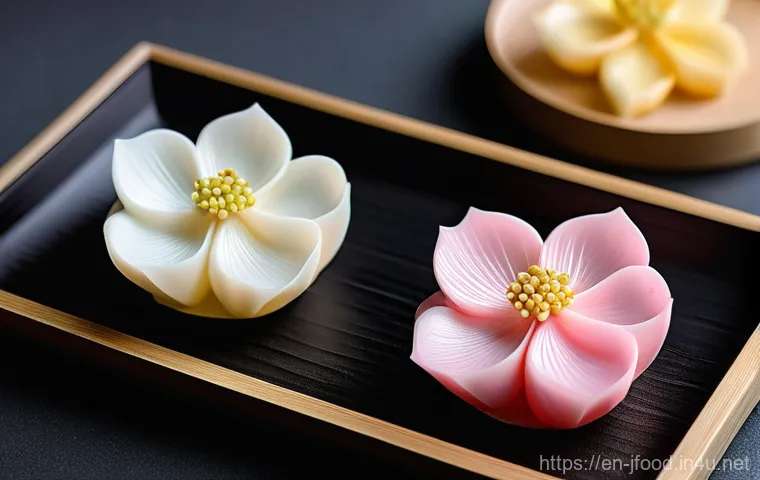
For those truly looking to challenge their artistic side, delving into *nerikiri* is an incredible journey. *Nerikiri* are exquisite, handcrafted wagashi made from a dough of white bean paste and glutinous rice flour, which is then colored and sculpted into intricate shapes, often depicting flowers, leaves, or seasonal motifs.
When I first saw *nerikiri*, I was utterly mesmerized by their beauty and thought they were completely out of my league. But with patience and a few simple tools, it’s surprisingly accessible.
It’s like edible clay! The joy comes from shaping and blending colors to create miniature works of art. My advice for beginners is to start with simpler flower shapes and gradually work your way up.
There are special *nerikiri* tools, but you can also improvise with toothpicks, small spoons, and even your own fingers. The satisfaction of presenting a plate of these edible jewels, knowing you’ve crafted each one by hand, is truly unparalleled.
It’s a meditative and incredibly rewarding process.
| Ingredient | Primary Use | Why It’s Essential | My Pro Tip |
|---|---|---|---|
| Mochiko (Sweet Glutinous Rice Flour) | Mochi, Daifuku, Dango (for chewiness) | Creates signature chewy, elastic texture; holds shape well. | Always sift for a smoother dough; use warm water for best results. |
| Azuki Beans (Red Beans) | Anko (sweet red bean paste) for fillings | Provides a rich, earthy sweetness; core of many traditional sweets. | Make a large batch of homemade anko and freeze portions! |
| Matcha Powder (Green Tea) | Flavoring and coloring cakes, mochi, ice cream | Distinct earthy, slightly bitter flavor; vibrant green color. | Invest in ceremonial or high-grade culinary matcha for best flavor and color. |
| Agar-Agar Powder | Gelling agent for jellies (Yokan, Mizu Yokan) | Vegetarian alternative to gelatin; sets firmly at room temperature. | Dissolve completely in cold liquid before heating to avoid lumps. |
| Kinako (Roasted Soybean Flour) | Dusting for mochi, dango; flavoring for various sweets | Nutty, toasty flavor; adds a dry texture contrast. | Toast lightly in a dry pan for an even richer aroma before use. |
Wrapping Things Up
Phew, what a delightful journey we’ve had, right? Diving into the world of Japanese desserts has been such a sweet adventure, and I truly hope you’ve felt inspired to roll up your sleeves and try making some of these beautiful treats at home.
From the satisfying chew of homemade mochi to the comforting simplicity of dorayaki, each recipe offers a unique blend of flavors and textures that are just so uniquely Japanese.
Remember, it’s not about perfection on your first try (or even your fifth!), but about embracing the process, enjoying the subtle artistry, and sharing something truly special with the people you care about.
So go ahead, trust your instincts, and let your kitchen be filled with the wonderful aromas of your own edible masterpieces!
Useful Information to Know
1. Sourcing Quality Ingredients Matters: While many core ingredients like rice flours and sugar are widely available, investing in high-quality matcha, adzuki beans, or even specific regional sugars (like Okinawan black sugar) can significantly elevate the flavor profile and authenticity of your Japanese desserts. Check your local Asian grocery stores or reputable online retailers that specialize in Japanese culinary goods.
2. Embrace Patience and Precision: Japanese baking, particularly traditional wagashi, often emphasizes meticulous attention to detail and gentle techniques. Don’t rush steps like kneading mochi or folding egg whites for a castella cake; these small acts of patience are crucial for achieving the desired delicate textures and aesthetic perfection.
3. Temperature Control is Key for Baking: For baked items like dorayaki or castella cake, consistent and accurate oven temperature is paramount. An oven thermometer can be your best friend, as many home ovens can be inaccurate, leading to uneven browning or texture issues. This subtle control ensures light, airy results rather than dense or dry ones.
4. Storage Solutions for Freshness: Many Japanese desserts, especially mochi-based ones, are best enjoyed fresh. However, ingredients like homemade anko can be made in larger batches and frozen, while rice flours should be stored in airtight containers in a cool, dark place to maintain their quality and extend shelf life for future baking sessions.
5. Don’t Underestimate the Power of Presentation: Japanese desserts are an art form, with aesthetics playing a huge role in the enjoyment. Even simple garnishes like a dusting of kinako or matcha, or thoughtfully chosen minimalist serving ware, can transform your creation into a visually stunning experience. It truly enhances the perceived value and enjoyment of your treats.
Key Takeaways
Crafting Japanese desserts at home is a deeply rewarding experience that blends tradition with personal creativity. The journey emphasizes understanding core ingredients like mochiko and azuki, mastering delicate techniques such as precise kneading and gentle folding, and appreciating the art of presentation.
By approaching these sweet endeavors with patience and a touch of personal flair, you’ll not only create delicious treats but also connect with a rich culinary heritage, making every bite a moment to savor and share.
Frequently Asked Questions (FAQ) 📖
Q: What are some great Japanese desserts for beginners to try making at home?
A: Oh, this is such a fantastic question! When I first started diving into Japanese sweets, I definitely felt a little overwhelmed, but trust me, there are some truly delightful and surprisingly simple ones to begin with.
From my own kitchen adventures, I’d highly recommend starting with something like Mochi (especially simpler versions like Daifuku or Dango) or Dorayaki.
Mochi, those wonderfully chewy rice cakes, might seem intimidating, but basic recipes often involve just a few ingredients and a microwave! I remember the first time I made homemade daifuku, stuffing them with fresh strawberries and sweet red bean paste – the texture was a revelation, and they were such a hit!
Dorayaki, those charming little pancake sandwiches, are also super approachable. The batter comes together quickly, and you can fill them with anything from classic anko (sweet red bean paste) to Nutella or whipped cream.
Another gem for beginners is Purin, which is basically a Japanese custard pudding. It’s silky smooth, often has a lovely caramel layer, and is much like a crème brûlée or flan, but with a uniquely delicate texture.
It’s a comforting classic that’s hard to mess up and always impresses! These are all fantastic entry points to experience those subtle, exquisite Japanese flavors without needing advanced pastry chef skills.
Q: I’m worried about finding all the special ingredients. Where can I get authentic Japanese dessert ingredients outside of Japan?
A: I totally get this concern! It’s one of the first hurdles I faced when I started, especially living outside of major Japanese cultural hubs. But honestly, it’s become so much easier these days!
Your best bet, if you have one nearby, is an Asian grocery store. Many larger ones carry a fantastic selection of Japanese ingredients, from glutinous rice flour (mochiko), red bean paste (anko), and matcha powder to specific types of sugar or agar-agar.
If a physical store isn’t an option, or if you’re looking for something really specific, online retailers are your best friends! I’ve had great success with sites like Just Asian Food, Umami Mart, and even H Mart (which, while Korean-focused, often has a good Japanese section).
For truly artisanal or harder-to-find items, specialized online stores such as Nihon Ichiban or The Japanese Pantry are fantastic resources that ship globally or within North America.
Don’t be afraid to poke around a bit; you’d be surprised what you can find with a quick search these days. It definitely opens up a world of possibilities for your home baking!
Q: Are Japanese desserts really difficult or super time-consuming to make, or can a home baker actually manage it?
A: This is a common misconception, and I’m here to tell you: you absolutely CAN manage it! While some traditional wagashi (Japanese confections) are indeed intricate masterpieces requiring years of practice and special tools to perfect their artistic presentation, many of the most beloved Japanese desserts are actually quite approachable for the home baker.
What I’ve found is that they often demand patience and attention to detail rather than super advanced techniques. For example, making your own anko (red bean paste) from scratch can be a bit time-consuming, but it’s mostly passive cooking and yields a much more rewarding flavor than store-bought.
Desserts like mochi or dango might require a bit of kneading or shaping, which is more about feel than precision. Even Japanese soufflé cheesecake, known for its incredible lightness, relies on careful meringue folding, not complex steps.
What makes Japanese baking so rewarding, in my experience, is that it teaches you a different kind of precision and appreciation for subtle textures and flavors.
So yes, you can absolutely bake these delicious treats at home! It’s less about difficulty and more about embracing a fun, new culinary journey.