Hey food lovers! Ever find yourself craving the authentic, complex flavors of Japan but just don’t have the time to spend hours in the kitchen? I’ve definitely been there – the struggle to balance a busy life with genuinely delicious, home-cooked meals is real.
Good news: Japanese ready-to-eat meal kits are here to revolutionize your dinner routine, bringing incredible culinary experiences right to your table with minimal effort.
These kits are not just about convenience; they’re a fantastic way to explore Japan’s rich gastronomic traditions, from classic ramen to intricate curries, all from the comfort of your home.
Ready to discover how these kits can transform your weeknights and introduce you to new, exciting flavors? Let’s get into it!
Discovering the True Taste of Japan, Effortlessly
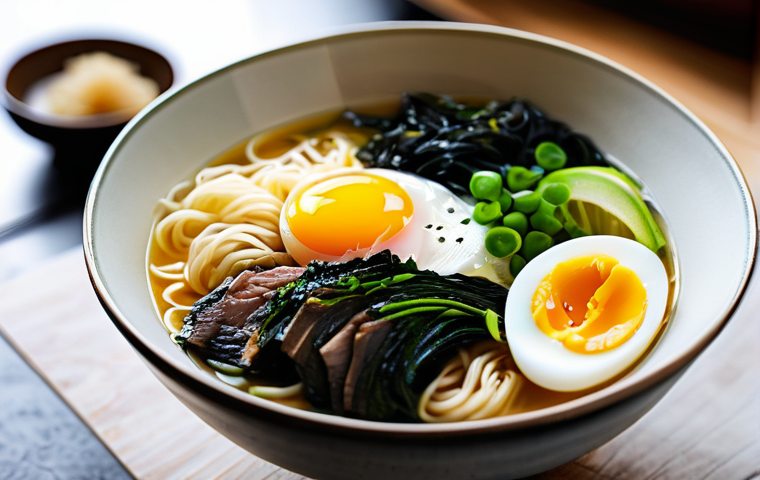
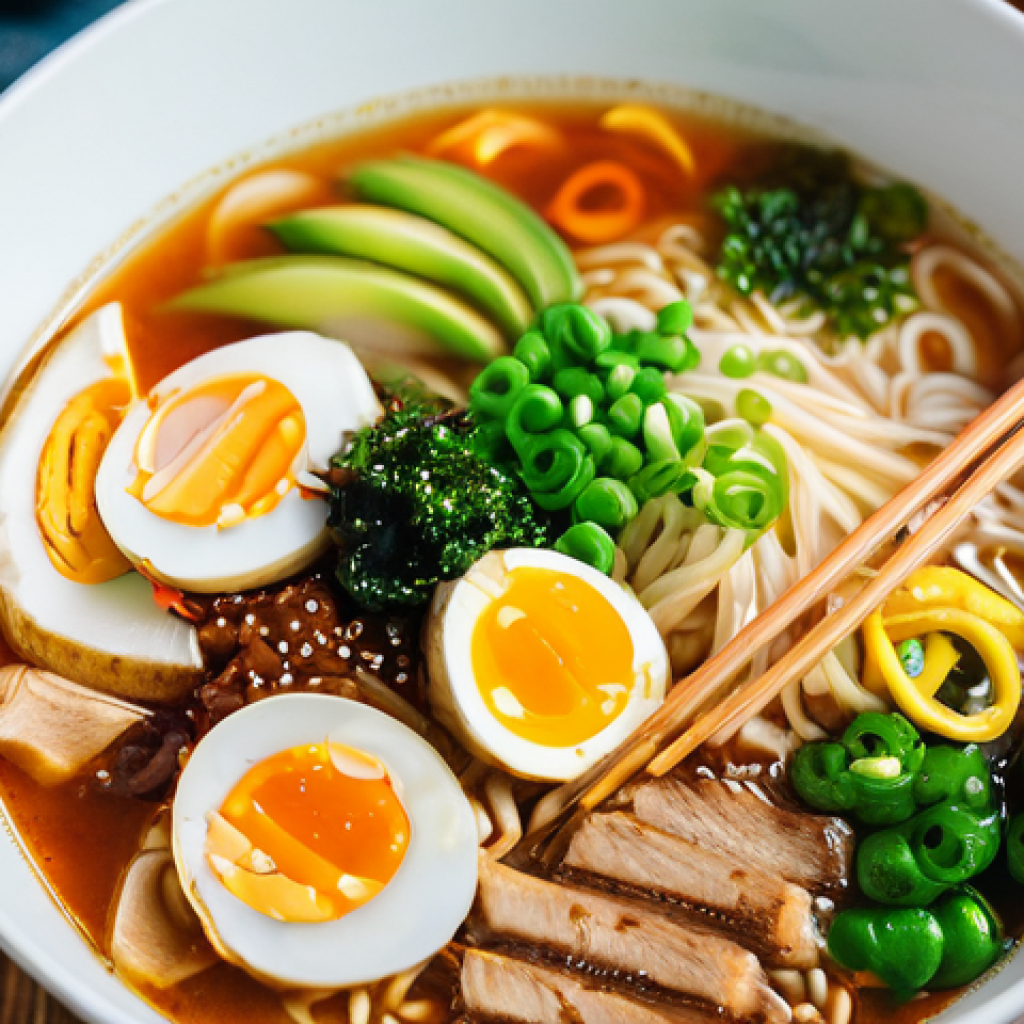
Okay, so let’s get real. We all adore the idea of whipping up an authentic Japanese feast, but who genuinely has the time for sourcing specialty ingredients, mastering intricate knife cuts, or spending hours simmering broths after a long day? That’s where these Japanese ready-to-eat meal kits completely blew my mind. I used to think they were just another shortcut, sacrificing flavor for convenience, but boy, was I wrong! My initial skepticism quickly vanished when I first tried one – it was a simple Tonkotsu ramen kit, and the broth was incredibly rich, the noodles perfectly springy, and the toppings fresh. It tasted like something I’d order from my favorite Japanese restaurant, not something I’d assembled in fifteen minutes. This isn’t just about throwing ingredients together; it’s about curated culinary experiences. Each kit is a miniature masterclass, guiding you through the steps to create a dish that feels genuinely crafted. The best part? No obscure ingredients left to languish in the back of your pantry; everything is perfectly portioned and ready to go. This convenience factor, combined with the surprisingly high quality, has totally transformed my weeknight meals. It’s like having a personal Japanese chef on speed dial, but without the hefty price tag.
The Secret to Genuine Taste
The magic often lies in the pre-made sauces and broths that come with these kits. These aren’t your average supermarket sauces; they’re often crafted with traditional fermentation methods or long-simmered ingredients, capturing that deep umami flavor profile that makes Japanese cuisine so captivating. I remember one Miso soup kit I tried; the miso paste was so fragrant and complex, far beyond anything I could whip up from scratch. It’s these foundational elements that elevate the entire dish, ensuring you get an authentic taste experience without needing to be a culinary expert yourself. They’ve done the hard work, so we don’t have to!
Fresh Ingredients, Perfectly Portioned
One of my biggest pet peeves with cooking from scratch is food waste. Buying a whole head of cabbage when you only need a quarter, or a large bottle of mirin that sits unused for months. Meal kits tackle this beautifully. Every single ingredient, from the thinly sliced beef for sukiyaki to the precisely cut green onions, is portioned out. This not only means less waste but also guarantees freshness. I’ve noticed many services prioritize local sourcing or direct imports for their produce and proteins, which really makes a difference in the final dish’s vibrancy. It’s truly a game-changer for someone like me who values both flavor and efficiency in the kitchen.
Beyond the Usual Suspects: Unpacking Diverse Japanese Flavors
When you hear “Japanese food,” your mind probably jumps to sushi, ramen, or maybe teriyaki. And while those are fantastic, the world of Japanese cuisine is so much richer and more varied! What I truly love about exploring these meal kits is how they’ve introduced me to dishes I might never have attempted otherwise. I’m talking about regional specialties, seasonal delights, and home-style cooking that goes far beyond what you usually find in a typical Japanese restaurant abroad. I recently tried a kit for Okinawan Soki Soba, and the tender pork ribs in that savory broth were an absolute revelation. It was a dish I had only heard about, and to be able to recreate it so easily at home felt like a mini culinary journey. These kits aren’t just selling you a meal; they’re selling you an experience, an education in Japanese gastronomy. They’re like a delicious passport to different prefectures, each with its own unique flavors and traditions, all delivered to your doorstep.
Exploring Regional Specialties
Japan is incredibly diverse geographically and culinarily. From Hokkaido’s hearty seafood dishes to Kyushu’s rich pork-based broths, each region boasts unique flavors. These kits often highlight these regional gems. I’ve seen kits for Hiroshima-style Okonomiyaki, Nagoya-style Tebasaki (chicken wings), and even Tokyo’s Edo-style tempura. It’s an incredible way to taste your way across Japan without leaving your kitchen. For someone who loves to travel and eat, but can’t always hop on a plane, this has been an absolute godsend. Each kit tells a story of a place, and that’s something truly special.
From Hearty Stews to Delicate Dishes
The variety extends beyond just region; it’s also about the style of cooking. You can find robust, comforting dishes like Beef Curry or Nikujaga (meat and potato stew), which are perfect for a chilly evening. But then you can also discover delicate, refined dishes like Chawanmushi (savory egg custard) or various types of Donburi (rice bowls with toppings) that showcase a different side of Japanese culinary artistry. I’ve personally enjoyed a delightful Mackerel Miso Stew kit that was both comforting and surprisingly easy to prepare, defying my previous assumptions about its complexity. It just goes to show that these kits cater to every palate and every occasion.
My Personal Culinary Adventures with These Kits
Honestly, when I first heard about Japanese meal kits, I was a bit skeptical. I mean, could they really deliver on the promise of authentic flavor and easy prep? As someone who loves to cook but also juggles a busy work schedule and family life, I’ve tried countless shortcuts, often ending up disappointed. But my first foray into a Japanese kit was a total game-changer. It was a simple Gyoza kit, complete with pre-made wrappers, seasoned filling, and a dipping sauce. I remember thinking, “This is too easy, it can’t be good.” Yet, as I pan-fried those perfectly shaped dumplings and watched them crisp up, then steamed them to juicy perfection, my skepticism melted away. The taste was incredible – savory, umami-rich, and utterly satisfying. My family devoured them, and the joy of seeing their happy faces after a meal I’d “cooked” with minimal stress was truly invaluable. Since then, these kits have become a staple in my kitchen, transforming what used to be a frantic weeknight dash into a delightful cooking experience. It’s not just about the food; it’s about reclaiming my evenings and spending more quality time with my loved ones.
My First Dive: A Skeptic’s Surprise
I distinctly remember grabbing a “Chicken Katsu Curry” kit during a particularly hectic week. I was exhausted, and cooking felt like an insurmountable task. I thought, “Worst case, it’s edible.” But following the straightforward instructions, breading the chicken cutlets, frying them to a golden crisp, and then heating the rich, aromatic curry sauce was surprisingly therapeutic. The result? A perfectly crispy katsu with a deeply flavorful, slightly sweet, and savory curry that transported me straight back to my favorite Japanese eatery. That night, I truly understood the power of these kits – they’re not just about saving time; they’re about delivering joy and genuine culinary satisfaction even on the busiest of days. It felt like I had genuinely *cooked* something amazing, without all the usual fuss.
Weeknight Wonders: Making Dinner a Breeze
Before these kits, my weeknights were a predictable cycle of takeout or repetitive, bland meals. Now, I actually *look forward* to cooking. There’s something so satisfying about opening a beautifully packaged kit, knowing that a delicious, authentic Japanese meal is just minutes away. Whether it’s a quick Udon soup with tempura or a more involved Sukiyaki, the clear instructions and pre-prepped ingredients make it feel like a fun project, not a chore. I’ve even managed to introduce my kids to new flavors, like Takoyaki (octopus balls) with a kit, which they loved helping me assemble. It’s transformed dinner from a source of stress into a moment of connection and culinary adventure, making my evenings genuinely breezy and enjoyable. Trust me, finding a way to make dinner both delicious and effortless feels like winning the lottery.
Navigating the Options: How to Pick Your Perfect Kit
Alright, so you’re convinced these kits are awesome, but how do you choose the *right* one? With so many options popping up, it can feel a little overwhelming. My rule of thumb is to look for kits that clearly list their ingredients, provide nutritional information, and ideally, share a bit about their sourcing. Quality of ingredients is paramount, especially for Japanese cuisine where freshness shines through. I’ve learned the hard way that not all kits are created equal. Some focus purely on convenience, using lower-quality components, while others genuinely strive for an authentic and premium experience. Do a quick search for reviews – other foodies’ experiences are invaluable! Also, consider your own cooking level and time commitment. Some kits are truly “heat and eat,” while others offer a more hands-on, semi-scratch experience. Knowing what you’re looking for will save you from potential disappointment and ensure you get the most bang for your buck, and more importantly, the most delicious Japanese flavors possible.
Ingredient Quality & Sourcing
This is probably the single most important factor for me. I always scrutinize the ingredient list. Are they using high-quality Japanese rice? Is the fish sustainably sourced? Are the vegetables fresh and seasonal? Many premium kits will boast about where they get their ingredients from, whether it’s directly from Japan or from reputable local suppliers. For example, a good ramen kit should specify the type of wheat in its noodles and the richness of its broth base. If a kit is vague about its components, I tend to steer clear. My best experiences have been with services that are transparent about their sourcing, even down to the brand of soy sauce or miso paste they include. It really does make all the difference in the final taste and overall eating experience.
Dietary Needs & Customization Options
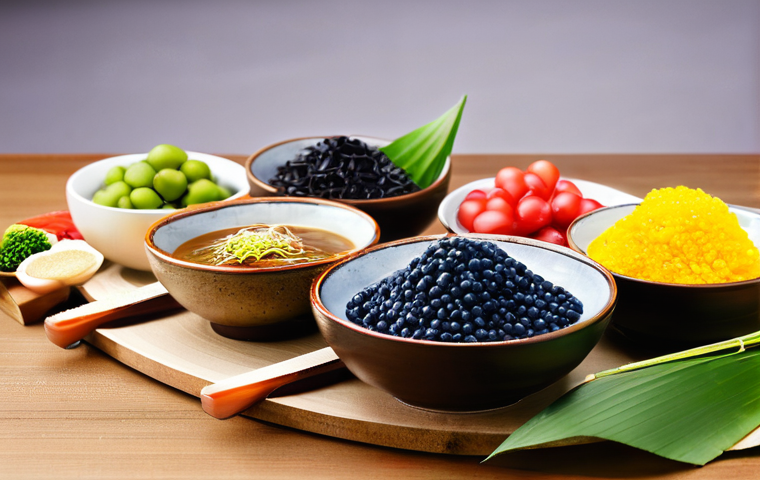
Another crucial point for many, including myself, is dietary flexibility. I have friends with gluten sensitivities and others who are vegetarian. Does the kit offer clear allergen information? Are there options for customization, like switching out meat for tofu, or providing gluten-free noodle alternatives? Some services are incredibly good at this, offering detailed filters on their websites. It’s worth checking if a kit allows for substitutions or if they have dedicated menus for specific dietary requirements. It means everyone at your dinner table can enjoy the deliciousness without compromise. I’ve found some fantastic vegetarian ramen kits that don’t skimp on flavor, which is a huge win for my meat-free friends!
Level Up Your Dinner Game: Pro Tips for Meal Kit Success
Okay, so you’ve got your Japanese meal kit, and you’re ready to dive in. But how do you take it from “good” to “OMG, this is amazing”? I’ve got a few secret weapons that I’ve picked up over my countless meal kit adventures. Think of these as little tweaks and additions that elevate your dish without adding much fuss. Sometimes it’s as simple as garnishing properly, other times it’s adding a pantry staple that ties everything together. The goal is to make it feel even more like a restaurant-quality meal that you painstakingly prepared, even if you didn’t. These small efforts not only enhance the flavor but also boost the visual appeal, making your meal feel like a true culinary creation. After all, we eat with our eyes first, right? Plus, it’s a fun way to express a little bit of your own personality in a pre-designed meal, making it truly *yours*.
Enhancing Flavors with Pantry Staples
Even the best meal kits can benefit from a little personal touch. For example, a dash of toasted sesame oil can amplify the nutty flavor in many noodle dishes or stir-fries. A sprinkle of shichimi togarashi (Japanese seven-spice blend) adds a fantastic kick to soups, rice bowls, or even grilled meats. Freshly grated ginger or garlic can brighten up a sauce, and a squeeze of fresh lime or a splash of rice vinegar can cut through richness and add a zesty finish. Don’t be afraid to experiment with these simple additions! I often keep a small jar of homemade chili oil handy for an extra layer of heat and umami in my ramen kits. It’s these tiny additions that truly make a kit feel like a gourmet experience crafted in your own kitchen.
Pairing Drinks for the Perfect Meal
A great meal isn’t just about the food; it’s also about what you’re drinking with it. For Japanese dishes, consider a crisp sake (if you’re feeling adventurous!), a chilled Japanese beer like Sapporo or Asahi, or even a refreshing green tea. For something non-alcoholic, sparkling water with a hint of yuzu or a cold oolong tea can be surprisingly complementary. Think about the flavors of your meal – is it rich and savory? A lighter, crisp drink will cut through that. Is it delicate and subtle? A subtle drink will enhance it without overpowering. Experimenting with pairings can really elevate the entire dining experience and turn a simple meal kit into a full-blown culinary event.
Here’s a quick overview of popular Japanese meal kit types and what they’re best for:
| Meal Kit Type | Common Dishes | Best For | My Personal Take |
|---|---|---|---|
| Ramen & Udon Kits | Tonkotsu Ramen, Miso Ramen, Kitsune Udon, Tempura Udon | Quick, comforting, and hearty meals. Excellent for chilly evenings. | My go-to for instant gratification. The broth quality is key here! |
| Donburi & Rice Bowl Kits | Gyudon, Katsudon, Oyakodon, Teriyaki Chicken Bowl | Easy single-serving meals, often packed with protein and veggies. | Great for lunch or a quick dinner. So satisfying and customizable. |
| Curry & Stew Kits | Japanese Chicken Curry, Beef Sukiyaki, Nikujaga | Warm, savory, and robust flavors. Perfect for family dinners. | Incredible depth of flavor, especially in the curry sauces. Real comfort food! |
| Gyoza & Appetizer Kits | Pork Gyoza, Vegetable Spring Rolls, Edamame Kits | Starters, snacks, or light meals. Fun to assemble. | A fantastic way to start any Japanese meal or for a fun snack session. |
| Sushi & Sashimi Kits | Various Sushi Rolls, Chirashi Bowls, Sashimi Sets | Special occasions or for fresh seafood lovers. Requires some assembly skill. | While more hands-on, these can be a truly rewarding culinary experience. |
The Savvy Shopper’s Guide: Value, Time, and Taste Combined
Let’s talk brass tacks: money and time. In today’s world, both are precious commodities, and Japanese meal kits offer a brilliant solution for optimizing both. Think about it – how much do you spend on takeout sushi or ramen every week? Probably more than you’d care to admit, right? And cooking from scratch, while rewarding, often involves impulse buys at the grocery store, forgotten ingredients, and the sheer mental energy of meal planning. With meal kits, you get a fixed cost per meal, which makes budgeting so much easier. Plus, the time savings are monumental. Instead of an hour-long grocery run, followed by 45 minutes of prep and cooking, you’re looking at a 15-30 minute total commitment, often less. This isn’t just about saving a few bucks here and there; it’s about investing in your time, your sanity, and your ability to enjoy genuinely delicious food without the usual associated stress. I’ve noticed a significant drop in my weekly takeout budget since integrating these kits, and the quality of my home-cooked meals has skyrocketed. It’s a win-win situation for anyone who values both their wallet and their precious free time.
Budgeting Your Deliciousness
One of the hidden benefits I’ve discovered is how these kits help me manage my food budget. When I shop for ingredients individually, I often end up buying more than I need, leading to food waste and a higher overall cost. With a meal kit, you pay a set price for a complete meal, and everything is portioned perfectly. This means no leftover ingredients rotting in the fridge, and no unexpected expenses. It’s like a subscription to deliciousness that keeps your finances in check. I’ve found that many kits, especially when bought in multi-meal bundles, offer a better cost-per-serving than comparable restaurant takeout, making them an economically smart choice for regular consumption. Plus, the convenience often means I’m less tempted to order expensive delivery when a fantastic meal is just minutes away.
Reclaiming Your Evenings
Let’s be honest, after a long day, the thought of chopping, stirring, and cleaning up can be utterly draining. This is where Japanese meal kits truly shine. They give you back your evenings. Instead of spending an hour or more in the kitchen, you can prepare a gourmet-level meal in 20-30 minutes, sometimes even less. That extra time? It’s yours to reclaim. Spend it with family, catch up on a book, binge-watch your favorite show, or simply relax. For me, that reclaimed time has been invaluable. It’s reduced stress, increased my enjoyment of dinner, and honestly, made me a happier person overall. The ability to sit down to a fantastic, authentic meal without the usual kitchen chaos is a luxury I’m now completely hooked on. It’s not just food; it’s freedom.
Wrapping Up Our Culinary Journey
Well, there you have it, folks! My deep dive into the wonderful world of Japanese ready-to-eat meal kits. Honestly, I started this journey with a healthy dose of skepticism, wondering if these kits could truly capture the essence of Japanese cuisine while still being convenient.
But after trying so many different ones, from comforting ramen to exotic Okinawan Soki Soba, I’m completely won over. These kits aren’t just about saving time; they’re about expanding your culinary horizons, reducing food waste, and bringing the authentic, rich flavors of Japan right to your dinner table with minimal fuss.
They’ve truly transformed my weeknight cooking from a chore into an exciting adventure, and I hope they do the same for you!
Useful Information to Know
1. Always check the ingredient list and sourcing information on any meal kit. Premium kits often highlight their use of authentic Japanese ingredients or high-quality local produce, which significantly impacts flavor. Look for transparency to ensure you’re getting the best quality for your money.
2. Don’t shy away from reading reviews from other home cooks. Real-world experiences can offer invaluable insights into a kit’s ease of preparation, portion sizes, and, most importantly, how truly authentic the flavors are. Websites for services like HelloFresh, Blue Apron, and Dinnerly often feature customer feedback that can guide your choices.
3. Consider subscription options if you find a service you love. Many companies offer discounts for recurring orders or multi-meal bundles, which can make these convenient meals even more budget-friendly in the long run. Look into trial plans, which some services offer at a reduced cost, to test them out.
4. Feel empowered to add your own personal touch! A sprinkle of fresh herbs, a dash of chili oil, or a squeeze of lime can elevate even the most perfectly curated kit. These small additions can make the meal feel more “yours” and enhance the overall dining experience.
5. Always double-check for allergen information and dietary restrictions before ordering. While many services are becoming increasingly flexible with vegetarian, gluten-free, or low-carb options, it’s crucial to confirm that a specific kit meets your needs or those of your dining companions.
Key Takeaways
Japanese meal kits offer an unparalleled blend of convenience and authentic flavor, making gourmet home cooking accessible to everyone. They empower you to explore diverse regional dishes, minimize food waste with perfectly portioned ingredients, and reclaim precious time in your busy schedule.
With careful selection based on ingredient quality and user reviews, these kits become a smart, satisfying, and stress-free solution for enjoying the true taste of Japan right in your own kitchen, all while optimizing your budget and maximizing your culinary enjoyment.
The market for meal kits in Japan continues to grow, reflecting a global trend towards convenient and high-quality home meal solutions.
Frequently Asked Questions (FAQ) 📖
Q: How authentic do these Japanese meal kits really taste compared to restaurant food?
A: I totally get this question, because let’s be honest, we’ve all had those “meal kit disappointments” before. When I first started exploring Japanese meal kits, I was pretty skeptical.
Could something prepared at home, from a box, truly capture the intricate, umami-rich flavors I adore from my favorite Japanese restaurants? To my absolute delight, many of them absolutely can!
What I’ve found is that the best kits focus on high-quality, often imported, ingredients – think real dashi, authentic miso, premium soy sauce, and sometimes even specific regional spices.
They often include fresh, pre-portioned ingredients, which really makes a difference. For example, I recently tried a tonkotsu ramen kit that blew me away.
The broth was simmered for hours (luckily, not by me!), deep and milky, and the noodles cooked up perfectly al dente. It felt like I was sitting at a little ramen bar in Tokyo, not my kitchen table.
Of course, no meal kit can perfectly replicate a Michelin-starred chef’s touch, but for a weeknight dinner, these kits get remarkably close to that genuine, comforting Japanese flavor profile.
It’s truly impressive how they manage to package that experience!
Q: Are these meal kits genuinely easy to make, even for a beginner in the kitchen, or will I spend hours cooking?
A: Oh, trust me, I’ve had my share of kitchen nightmares, so when a meal kit promises “minimal effort,” I put it to the test! And honestly, for Japanese ready-to-eat meal kits, they live up to the hype for the most part.
The whole point is to make your life easier, right? Most kits I’ve tried come with all ingredients pre-portioned and often pre-cut, and the instructions are usually super clear, often with step-by-step pictures or even QR codes to video tutorials.
My personal experience is that you’re usually looking at about 20-40 minutes of actual hands-on time, sometimes even less. It’s often just a matter of combining ingredients, heating things up, or following a simple cooking process.
I remember making a chicken katsu curry kit that was so straightforward: just bake the katsu, heat the sauce, cook some rice, and assemble. It felt like I was cheating, getting such a delicious and impressive meal on the table so quickly without the usual mess and fuss.
If you can follow a recipe, you can absolutely nail these kits. They truly transform a busy weeknight into a stress-free culinary adventure!
Q: What kind of Japanese dishes can I actually expect to find in these ready-to-eat meal kits?
A: This is where it gets really exciting! When you think “Japanese food,” your mind probably jumps to sushi and ramen, and while you’ll definitely find fantastic options for both, these meal kits offer a much broader culinary journey.
I’ve been pleasantly surprised by the sheer variety available, which is one of the things I absolutely adore about them. Beyond the classic ramen (think shoyu, miso, tonkotsu!) and delicious donburi bowls (like gyudon or katsudon), I’ve discovered kits for incredible Japanese curries, often with the rich, deep flavors that take hours to develop from scratch.
There are also fantastic options for stir-fries, savory yakisoba, and even elegant simmered dishes like nimono. Sometimes you’ll find regional specialties too, which is a fantastic way to explore Japan’s diverse food culture without leaving your home.
From hearty comfort food to lighter, more refined meals, there’s truly something for every craving and every skill level. It’s like having a revolving door of Japanese culinary adventures right in your fridge!
📚 References
Wikipedia Encyclopedia
구글 검색 결과
구글 검색 결과
구글 검색 결과
구글 검색 결과
구글 검색 결과