There’s just something magical about Japanese cuisine, isn’t there? It’s more than just food; it’s an art form, a philosophy, and truly an experience for all the senses.
Every time I savor a perfectly crafted sushi roll or indulge in a comforting bowl of ramen, I feel that unique blend of tradition and innovation that constantly keeps me coming back for more.
Lately, I’ve been completely captivated by how Japanese culinary traditions are evolving – from incredible new takes on fermentation bringing out even deeper flavors to the exciting rise of plant-based delicacies that are changing how we think about traditional dishes.
I’ve even noticed the buzz around things like high-tech dining experiences making their way into the scene, pushing boundaries in truly fascinating ways.
It’s clear that Japanese food isn’t just about preserving the past; it’s always looking to the future. That’s why I was absolutely thrilled to sit down with a true maestro, an expert who has spent years immersed in this incredible world, not just cooking but truly understanding the heart and soul of Japanese gastronomy.
I personally believe that to truly appreciate this culinary journey, you need insights from someone who lives and breathes it every single day, someone who can share not just recipes, but the stories, techniques, and the very essence of what makes Japanese food so universally beloved and perpetually fresh.
You know, I’ve always thought the best way to understand a culture is through its food, and this conversation really underscored that for me. You’re going to love what they shared about staying true to tradition while embracing new influences, like the growing interest in healthier, more sustainable options.
It’s a balance many chefs strive for, and our expert truly masters it. Let’s dive in and uncover some truly incredible insights from the interview.
Embracing Tradition While Forging New Paths
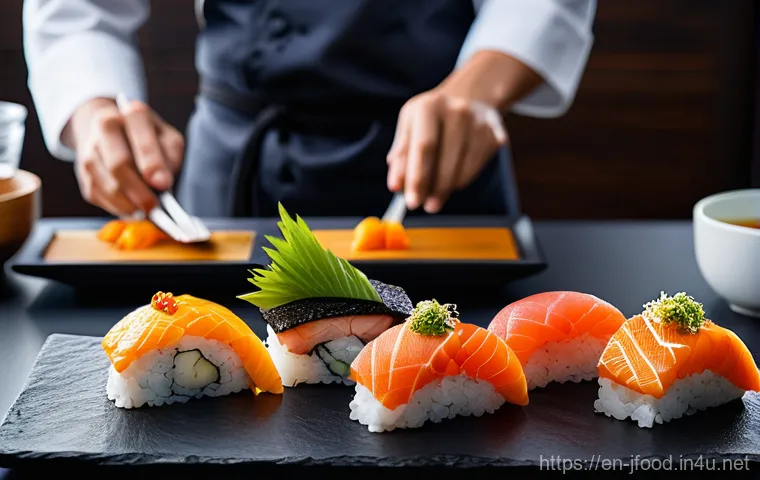
There’s this incredible paradox in Japanese cuisine that truly fascinates me: the profound reverence for tradition beautifully intertwined with an insatiable drive for innovation. When I sat down with our expert, we really delved into how chefs, both in Japan and around the world, are constantly dancing on this fine line. It’s not about abandoning the past, but rather using its strong foundations to launch into exciting new culinary territories. It’s like an old friend who’s always got a fresh story to tell, isn’t it?
The Enduring Heart of Washoku
At the very core of what we adore about Japanese food is Washoku, a concept so rich it was recognized by UNESCO. It’s more than just a style of cooking; it’s a philosophy that champions seasonality, balance, and a deep respect for nature’s bounty. I’ve personally found that this emphasis on using ingredients at their peak, understanding their natural flavors, and presenting them with such thoughtful artistry is what makes Japanese meals so incredibly satisfying. It’s a gentle reminder to slow down and truly appreciate what you’re eating. Our expert really highlighted how these principles aren’t just preserved in formal settings, but they subtly influence every level of Japanese cooking, from a humble home meal to a Michelin-starred experience. It’s this underlying current of tradition that gives modern Japanese cuisine its soul and its staying power.
Fusion Flavors and Global Inspiration
But here’s where things get really exciting! While tradition holds strong, Japanese cuisine is also a trailblazer when it comes to fusion. I mean, who hasn’t seen or tried some incredible Japanese-inspired dishes that playfully mix cultures? We’re talking about culinary creations like sushi tacos or miso-infused pasta, which I’ve got to admit, initially sounded a bit wild but are often surprisingly delicious. Our expert shared how chefs are ingeniously incorporating classic Japanese ingredients like the bright zest of yuzu, the fragrant shiso leaf, or the rich umami of miso into dishes from entirely different culinary traditions. It’s a testament to the versatility and universal appeal of Japanese flavors. It’s been really cool to see how non-Japanese chefs, with their fresh perspectives, are interpreting and broadening the possibilities of Japanese food, making it accessible and exciting for an even wider audience. It truly shows how food can bring people together and spark incredible creativity.
The Ancient Art of Fermentation: Unlocking Deeper Flavors
One aspect of Japanese cuisine that has truly captivated me lately, and something our expert spoke passionately about, is fermentation. It’s not just a trend; it’s a timeless technique that has been integral to Japanese food for millennia, and honestly, it’s like pure magic for your taste buds. Every time I taste a perfectly balanced miso soup or a complex soy sauce, I’m reminded of the incredible depth of flavor that this ancient process creates. It’s a journey from simple ingredients to something truly extraordinary. It’s something I’ve even tried my hand at in a small way, and let me tell you, there’s a real sense of accomplishment when you create something so flavorful from scratch.
A Timeless Technique for Modern Palates
Fermentation is experiencing a massive resurgence globally, largely due to its recognized health benefits, but in Japan, it’s simply always been at the heart of the culinary culture. Think about staples like soy sauce, miso, natto (those wonderfully unique fermented soybeans!), sake, and tsukemono (pickled vegetables) – these aren’t just condiments; they are foundational elements that define Japanese taste. Our expert emphasized how Japanese chefs aren’t just sticking to the old ways; they’re actively exploring innovative new fermentation methods and even rediscovering ancient techniques to bring out even more complex and nuanced flavors in modern dishes. It’s truly fascinating to see how something so deeply rooted in history can continually evolve and remain so incredibly relevant today. The health benefits, especially for gut health, are a huge bonus, making these foods both delicious and incredibly good for you.
Koji: The Magical Mold Behind the Flavor
If there’s one unsung hero of Japanese fermentation, it has to be koji. This special mold is the unsung maestro behind so many of Japan’s iconic flavors. I remember trying to understand it initially, and it felt a bit like science, but when you see the results, it’s nothing short of culinary alchemy. It acts as the key catalyst in producing essential ingredients like sake, soy sauce, and miso. Our expert explained that there are actually different types of koji, each adapted to specific climates and purposes, leading to the incredible regional variations we see in fermented products across Japan. From my own experience trying various regional misos, I can totally attest to how koji is the basic determinant of a fermented food’s taste. It’s truly remarkable how this humble mold can transform simple rice or soybeans into ingredients that imbue such profound depth and umami into almost every aspect of Japanese cuisine. It’s a process that genuinely requires expertise and patience, which I find incredibly admirable.
Plant-Based Delights: Redefining Traditional Dishes
As someone who’s always looking for healthier and more sustainable eating options, I’ve been absolutely thrilled to witness the exciting rise of plant-based delicacies in Japanese cuisine. It’s a culinary movement that’s not just about catering to vegans and vegetarians, but about rethinking traditional dishes in innovative ways that appeal to everyone. Our expert and I discussed how this isn’t a compromise, but an expansion of possibilities, showing incredible creativity while staying true to the essence of Japanese flavors. It’s inspiring to see how familiar favorites are being reinvented.
Innovations for a Healthier Future
It’s genuinely amazing to see how Japanese culinary traditions are embracing the plant-based movement. We’re seeing traditional dishes re-imagined with such ingenuity. Forget just plain veggie rolls; now you can find incredibly creative plant-based sushi alternatives, from rolls made with marinated tomatoes or butternut squash rice to entirely vegan ramen bowls and curries bursting with plant goodness. For instance, I recently tried a ‘Spicy Tomato Sushi Roll’ where marinated tomatoes took the place of fish, and the burst of ginger and sriracha was just fantastic, offering such a wonderful mouthfeel. This innovation isn’t just about delicious food; it’s also deeply connected to the growing global health consciousness and the push for more sustainable eating practices. It’s proof that you can enjoy incredibly flavorful and satisfying Japanese food without relying on animal products, aligning perfectly with modern values.
Beyond Tofu: Creative Vegan Approaches
What I find particularly exciting is that plant-based Japanese cuisine goes way beyond just using tofu, though I do love a good tofu dish! Chefs are really flexing their creative muscles, incorporating a diverse array of vegetables, mushrooms, and grains to create incredible textures and flavor profiles. Think savory shiitake mushrooms, sweet potatoes, or even creative preparations of seitan in dishes like vegan yakitori. The ingenuity lies in how these ingredients are prepared using traditional Japanese techniques, often enhanced by fermentation, to deliver that familiar depth of flavor we all crave. It’s about celebrating the natural deliciousness of plants and using them to craft truly unique and satisfying culinary experiences. From crispy tempura made with fresh seasonal vegetables to hearty okonomiyaki with plant-based fillings, the possibilities seem endless. This evolution truly showcases how adaptable and forward-thinking Japanese gastronomy can be.
The Future is Now: High-Tech Dining Experiences
Walking into some of Tokyo’s restaurants these days feels like stepping into a sci-fi movie, and it’s genuinely thrilling. Our expert pointed out that Japan, being a global leader in technology, is naturally integrating these advancements into its dining scene in ways that are both efficient and incredibly entertaining. It’s not just about novelty; it’s about enhancing the entire dining experience, making it smoother, faster, and often, a lot more fun. I’ve personally seen some incredible examples that redefine what going out to eat means.
Automated Efficiency and Culinary Artistry
The culinary landscape in Japan is truly being transformed by high-tech innovations. We’re talking about everything from AI-powered ordering systems that learn your preferences to automated food conveyors that swiftly deliver your meal. I’ve been to kaiten-zushi (conveyor belt sushi) restaurants where your custom orders arrive on a separate high-speed lane, almost instantly, after you tap a touch panel. Some places even employ sushi-making robots that produce perfect sushi rolls with amazing consistency, freeing up skilled chefs to focus on more intricate and creative tasks. And yes, robot waiters are becoming more common, navigating busy dining rooms with surprising grace, improving efficiency and even hygiene. It’s all about streamlining service, reducing wait times, and allowing human staff to focus on more personalized hospitality.
Immersive and Interactive Gastronomy
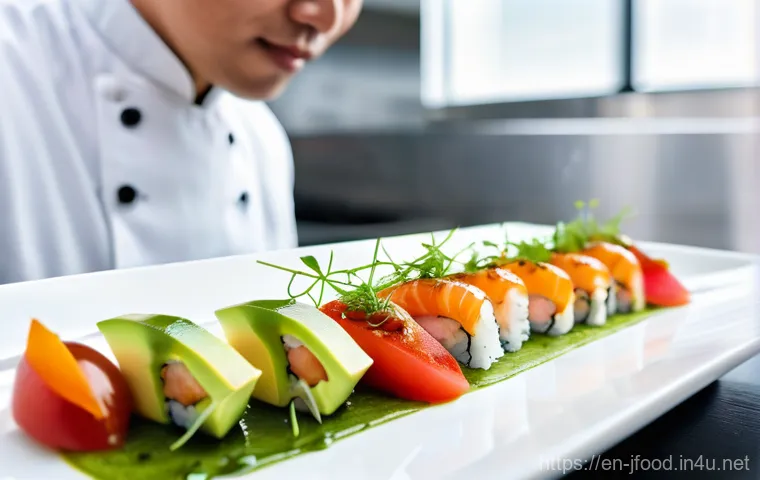
But beyond just efficiency, technology is also creating entirely new forms of immersive and interactive dining. Imagine enjoying your meal while surrounded by augmented reality projections or being part of a story that unfolds through VR and intricate visual effects. Our expert mentioned places where each dish is presented with a corresponding digital art installation, fusing food with art in a truly captivating narrative. It’s a multi-sensory experience that engages more than just your taste buds; it’s a feast for the eyes and ears as well. What I really appreciate is that even with all this tech wizardry, the chefs still vehemently prioritize fresh, seasonal ingredients. The technology serves to enhance and tell the story of the food, not overshadow its inherent quality, which is something I deeply respect. It’s a remarkable blend of tradition and future-forward thinking.
Sustainability: The Core of Japanese Culinary Ethos
When you talk about Japanese cuisine, you can’t overlook its deep-seated connection to sustainability. It’s something I’ve come to appreciate more and more as I learn about their culinary practices. Our expert passionately articulated how this isn’t a new concept in Japan; it’s woven into the very fabric of their culture and has been for centuries. It’s a proactive approach that ensures resources are respected and utilized wisely, reflecting a profound gratitude towards nature that many of us could truly learn from. It’s inspiring to see this dedication to protecting our planet through food.
Respect for Nature and Resourcefulness
Japan’s commitment to sustainability is truly ingrained, deeply rooted in traditional practices that emphasize respect for nature and minimal waste. The very concept of Washoku, which UNESCO recognized as an Intangible Cultural Heritage, is intrinsically linked to the sustainable use of natural resources. This means prioritizing seasonal and locally sourced ingredients, which not only ensures unparalleled freshness but also supports local farmers and drastically reduces the carbon footprint associated with transportation. There’s also the profound philosophy of mottainai, a sense of regret concerning waste, which encourages using every part of an ingredient. It’s a mindset that encourages resourcefulness and appreciation, ensuring nothing is taken for granted. I’ve personally tried to adopt this “zero-waste” approach in my own cooking, and it’s amazing how much more creative and respectful it makes you of your ingredients.
Eco-Conscious Choices in Modern Kitchens
Beyond traditional practices, modern Japanese restaurants are making tangible efforts towards eco-conscious dining. Our expert highlighted that this includes everything from sourcing sustainably caught seafood, often certified by organizations like the Marine Stewardship Council (MSC), to utilizing organic and locally grown produce. Chefs are actively partnering with local farmers who employ organic farming practices, reducing reliance on harmful pesticides and fertilizers. Furthermore, I’ve seen a growing trend in adopting eco-friendly kitchen practices, such as investing in energy-efficient appliances, implementing water conservation strategies, and robust waste reduction and management programs. It’s a holistic approach that truly reflects a global movement towards a healthier planet, and it’s wonderful to see Japanese cuisine leading the way in integrating these vital practices without compromising on flavor or quality. It really makes you feel good about what you’re eating.
| Sustainable Practice | Impact on Japanese Cuisine | My Takeaway |
|---|---|---|
| Seasonal Sourcing (Shun) | Ensures peak flavor and freshness, reduces carbon footprint. | Encourages creativity and connection to nature. |
| Waste Reduction (Mottainai) | Maximizes ingredient use, minimizes food waste. | Fosters resourcefulness and appreciation. |
| Local Partnerships | Supports local economy, ensures fresh, high-quality ingredients. | Builds community and enhances ingredient integrity. |
| Plant-Based Options | Offers healthier alternatives, lowers environmental impact. | Broadens culinary horizons for everyone. |
The Human Touch: Craftsmanship and Passion
As much as we talk about ingredients, techniques, and technology, what truly brings Japanese cuisine to life, in my opinion, is the human element. It’s the dedication, the passion, and the sheer artistry of the chefs themselves. That’s what resonated most with me from our conversation with the expert. It’s not just about following a recipe; it’s about pouring your heart and soul into every single dish, and that’s a connection you can truly taste. It’s a philosophy that I believe transcends any culinary style.
The Chef’s Journey: From Apprentice to Maestro
Becoming a master in Japanese cuisine is a journey of unwavering dedication, often spanning decades. Our expert shared insights into the rigorous training and profound philosophy that underpins this culinary path. It’s about more than just learning knife skills or perfecting a broth; it’s about embodying a spirit of humility, precision, and relentless pursuit of excellence. I’ve always been captivated by the stories of sushi masters who spend years just learning to properly prepare rice, understanding that every single grain contributes to the final masterpiece. This unwavering attention to detail and the philosophy of cooking “with heart” truly sets Japanese culinary artistry apart. There’s a palpable sense of pride and a profound understanding that the “beauty of serving people” is at the core of their craft. It’s a testament to the fact that some things simply cannot be rushed or mass-produced, and the human touch remains irreplaceable.
Connecting Through Culinary Stories
What I’ve come to understand deeply is that food is a universal language, and Japanese cuisine, in particular, tells incredible stories. Our expert and I discussed how food journalists, like myself, and dedicated chefs play a crucial role in bridging cultural gaps, sharing not just recipes but the narratives, history, and values behind each dish. The ongoing evolution of Japanese cuisine is a dynamic process, constantly influenced by diverse perspectives from around the globe, yet it always retains its unique identity. Meals in Japan are often a communal, social experience, fostering conversation, laughter, and connection, rather than just sustenance. This is why I always believe that to truly appreciate a culture, you must immerse yourself in its food. It’s in these shared culinary moments that we find common ground, discover new flavors, and create lasting memories, making the world feel a little bit smaller and a lot more delicious.
Wrapping Things Up
Well, friends, what an incredible journey we’ve had exploring the magnificent world of Japanese cuisine! It’s truly amazing how a culture can hold so deeply onto its traditions while constantly pushing the boundaries of innovation. From the quiet artistry of a sushi master to the buzzing energy of a high-tech ramen bar, there’s a story, a flavor, and an experience waiting around every corner. I hope this deep dive has sparked your curiosity and perhaps even inspired you to explore new dishes or appreciate the ones you love even more. It’s a testament to the enduring power of food to connect us, surprise us, and simply make life more delicious!
Useful Tips to Elevate Your Japanese Culinary Journey
1. Embrace Seasonal Eating (Shun): Japanese cuisine profoundly respects “Shun,” the peak season for ingredients. When you’re dining out, especially at traditional establishments, look for seasonal specials. If you’re cooking at home, choose fresh, in-season produce from your local markets. I’ve found that eating with the seasons truly makes every bite burst with optimal flavor and nutrient density, connecting you more deeply to the food and the rhythm of nature. It’s a simple shift that elevates the entire experience, much like focusing on peak performing stocks can seriously impact your portfolio’s long-term gains.
2. Unlock the Magic of Umami: Don’t just chase salty or sweet; seek out umami. This savory “fifth taste” is the backbone of Japanese dishes, often delivered through ingredients like miso, soy sauce, dashi, and fermented foods. Experiment with incorporating these into your cooking. I personally love adding a touch of good quality miso paste or a splash of soy sauce to my everyday dishes, even non-Japanese ones, to give them an unexpected depth. It’s a game-changer for flavor, making even simple ingredients sing.
3. Mindful Dining Etiquette: While you don’t need to be an expert, knowing a few key Japanese dining courtesies can greatly enhance your experience. For instance, it’s generally polite to slurp noodles to show appreciation and to finish everything on your plate to show respect for the chef. Also, avoid sticking chopsticks vertically into your rice. These small gestures not only show respect but also deepen your cultural immersion, making you feel more connected to the culinary tradition.
4. Explore Beyond Sushi and Ramen: While these classics are phenomenal, Japan’s culinary landscape is vast! Venture into regional specialties like Hiroshima’s spicy tsukemen or Nagasaki’s castella cake, or dive deeper into vegetarian options like Shojin Ryori. Trying something new is always an adventure for your taste buds, and I’ve discovered some of my all-time favorite dishes by simply being open to what locals recommend. Diversifying your culinary “portfolio” can bring unexpected rewards, just like exploring new markets can diversify your financial returns.
5. Seek Out Sustainable & Tech-Forward Experiences: Keep an eye out for restaurants that highlight sustainable sourcing, minimal waste, and innovative technology. Many modern Japanese eateries are embracing these trends, offering incredible plant-based options, using robots for efficiency, or even providing immersive digital dining experiences. You’ll not only enjoy cutting-edge cuisine but also support businesses that are leading the way for a healthier planet and a more efficient dining future. It’s truly a win-win for everyone involved!
Key Takeaways
Japanese cuisine truly stands out for its exceptional blend of age-old traditions and forward-thinking innovation. From the foundational principles of Washoku, emphasizing seasonality and natural flavors, to the burgeoning world of fermentation led by the magical koji, every element tells a story of meticulous craftsmanship and deep cultural respect. We’ve seen how plant-based options are creatively redefining classics, offering healthier and more sustainable choices without sacrificing flavor, and how high-tech dining experiences are making meals more efficient and immersive. Ultimately, it’s the human touch, the unwavering dedication of chefs, and the profound commitment to sustainability that underpin this culinary ethos, making Japanese food a global phenomenon that continues to evolve, inspire, and delight palates around the world. Embracing these aspects enriches not just our dining, but our understanding of a truly remarkable culture, and for me, that’s priceless.
Frequently Asked Questions (FAQ) 📖
Q: It’s absolutely fascinating how Japanese cuisine maintains its deep roots while constantly evolving! From your perspective, how do chefs manage to strike that delicate balance between honoring centuries of tradition and embracing exciting new culinary innovations, especially with things like plant-based dishes and advanced fermentation?
A: Oh, that’s such a brilliant question, and honestly, it’s at the very heart of what makes Japanese food so eternally captivating! What I’ve seen, and what our expert really emphasized, is that it all comes down to a profound respect for the fundamentals.
It’s not about abandoning tradition, but rather understanding its core principles so intimately that you can then play with them in a truly informed way.
Think of it like a jazz musician – they master the scales and theory, and only then can they improvise something truly groundbreaking. Our maestro explained that for plant-based dishes, for example, it’s about reinterpreting classic flavor profiles and textures using new ingredients, rather than just replacing meat.
It’s an artful substitution that respects the essence of the dish. I personally tasted a “vegan unagi” that blew my mind; it captured that smoky, rich umami without any eel!
And with fermentation, it’s not a new concept in Japan, but chefs are now exploring new microorganisms and techniques to coax even deeper, more complex flavors out of ingredients, pushing boundaries while enhancing that signature Japanese umami.
It’s a masterful dance between reverence and rebellion, and it’s why Japanese food always feels both familiar and thrillingly new. It’s like they’re constantly asking, “How can we make this even better while still remembering where it came from?” That mindset, I believe, is pure gold.
Q: You mentioned the rising interest in healthier, more sustainable options. Could you delve a bit deeper into some of the most exciting developments you’re observing in that space, and how these shifts are actually influencing the broader Japanese food culture?
A: Absolutely! This is another area where I truly feel Japanese cuisine is leading the way globally. Our expert shared some incredible insights, and honestly, it really opened my eyes to how thoughtfully these changes are being integrated.
It’s not just a trend; it’s becoming deeply ingrained. One major development is the increased focus on local, seasonal ingredients, which, while always important in Japan, is now taking on a renewed vigor with an emphasis on sustainable farming practices.
Chefs are building closer relationships with farmers, ensuring traceability, and reducing food miles. I’ve personally noticed a beautiful movement towards celebrating overlooked or underutilized ingredients – think different varieties of sea vegetables or less common regional produce – to minimize waste and diversify diets.
It’s incredibly innovative! And of course, the plant-based wave is huge, not just in dedicated vegan restaurants, but in traditional establishments offering stunning vegetable-focused courses that are so delicious you don’t even miss the meat or fish.
It’s about making healthy eating an indulgence, not a sacrifice. The expert told me that this push for sustainability and health is actually strengthening the connection between diners and their food, making every meal a more mindful and ethical experience.
It’s truly inspiring to see how these values are enriching the entire culinary landscape, proving that delicious and responsible can absolutely go hand-in-hand.
Q: Beyond the incredible food, what do you think truly makes the overall Japanese dining experience so uniquely captivating for people worldwide, and based on your conversation with the maestro, what do you foresee as the next big wave or exciting frontier for Japanese gastronomy?
A: What an excellent point! It’s definitely more than just the food on the plate, isn’t it? The entire experience is what makes Japanese dining so special, and our expert had some beautiful thoughts on this.
For me, it’s that unparalleled attention to detail, the omotenashi – that selfless, wholehearted hospitality that anticipates your needs even before you know them yourself.
It’s in the elegant presentation, the thoughtful pacing of a meal, the serene ambiance, and even the carefully chosen tableware. Every element is curated to create a harmonious sensory journey.
I’ve often felt a sense of calm and respect wash over me in Japanese restaurants that I rarely find elsewhere. As for the next big wave, our maestro shared some really intriguing predictions.
While tradition remains foundational, they highlighted a growing exploration into hyper-personalized dining experiences, leveraging technology – not to replace human touch, but to enhance it.
Imagine bespoke menus crafted based on your preferences, dietary needs, and even mood, delivered with that quintessential Japanese grace. There’s also a keen eye on global culinary fusions, but executed with a distinctly Japanese sensibility – think Japanese ingredients or techniques applied to dishes from other cultures, creating entirely new, exciting flavor profiles.
The expert believes the future lies in pushing boundaries while deeply respecting the past, constantly seeking new expressions of umami, texture, and artistry.
It’s clear that Japanese gastronomy will continue to surprise and delight us, always innovating but never forgetting its soulful roots.