Hey foodies! Ever found yourself staring at a Japanese recipe, totally hyped to recreate those incredible flavors, only to hit a wall in the seasoning aisle?
Trust me, I’ve been there. It’s easy to get overwhelmed with all the different soy sauces, mirin types, and miso pastes, wondering which one is *the* right choice for that authentic taste.
But here’s the secret: mastering Japanese cooking isn’t about fancy techniques as much as it is about understanding these magical flavor builders. I remember my first trip to Japan, completely blown away by the depth of flavor in every dish, and realizing it all stemmed from these humble, yet potent, ingredients.
Lately, with more people cooking at home and exploring global cuisines, Japanese flavors are really having their moment, and rightly so! It’s not just about sushi anymore; people are craving delicious, umami-rich dishes that are often surprisingly simple to make once you know your way around the pantry.
We’re talking about a culinary philosophy that champions natural fermentation and balances sweet, salty, savory, and even a touch of sour. It’s a game-changer for your everyday meals and even for those exploring healthier, plant-forward diets.
I’ve personally found that truly understanding each seasoning’s role has transformed my kitchen experiments, turning good dishes into absolutely unforgettable ones.
So, if you’re ready to unlock the true potential of your Japanese cooking, let’s explore the essential differences and how to use these incredible ingredients like a pro.
We’re going to get into the nitty-gritty and truly elevate your home cooking game! Let’s dive deeper into this below.
Soy Sauce Secrets: Decoding the Dark Elixir

Ah, soy sauce. It’s probably the first thing that comes to mind when you think of Japanese cooking, right? But trust me, it’s not just “soy sauce.” There’s a whole universe of soy sauces out there, each with its own personality, ready to elevate your dishes in different ways. I remember when I first started exploring Japanese cuisine at home, I’d just grab whatever soy sauce was on sale at my local Asian market. Big mistake! It took me a while to learn that the type of soy sauce you use can genuinely make or break a dish. The nuances are subtle, but incredibly impactful. Think of it like olive oil – you wouldn’t use extra virgin for deep frying, just like you wouldn’t use a rich, dark soy for a delicate clear soup. Understanding these differences isn’t just about authenticity; it’s about building flavor layers that truly sing. I’ve personally experimented with various brands, from everyday options to artisanal brews, and the difference is palpable. It’s about more than just salt; it’s about the depth of umami, the sweetness, and even the color it imparts to your food.
The Subtle Art of Shoyu: Light, Dark, and Everything In Between
When we talk about Japanese soy sauce, or shoyu, we’re primarily looking at five main types: koikuchi (dark), usukuchi (light), tamari, saishikomi, and shiro. Koikuchi is the all-rounder, accounting for over 80% of soy sauce produced and consumed in Japan. It’s what most of us in the West probably recognize as “regular” soy sauce. It’s got a balanced flavor and color, making it perfect for pretty much anything from marinades to dipping sauces. Usukuchi, on the other hand, is lighter in color but surprisingly saltier due to its higher salt content. This one’s a secret weapon for preserving the natural colors of ingredients, especially in simmered dishes or clear broths, without sacrificing that essential savory kick. I once made a clear soup with koikuchi by mistake, and it just looked muddy. Swapping to usukuchi made all the difference visually, and the broth tasted cleaner, too. Then there’s tamari, which is traditionally gluten-free and has a richer, less salty, and more complex flavor – fantastic for glazes or as a dipping sauce, especially if you’re avoiding gluten. Each one plays a unique role, and having a couple of these on hand will seriously up your game.
Beyond the Bottle: When to Reach for Which Shoyu
Knowing which soy sauce to use is like having a superpower in the kitchen. For everyday cooking, like stir-fries, marinades, or general seasoning, koikuchi is your best friend. It’s versatile and forgiving. If you’re making something delicate, where presentation and ingredient color are key, like a chawanmushi (savory egg custard) or a beautiful clear soup, usukuchi is the way to go. Its lighter hue won’t overshadow the natural beauty of your ingredients, yet it delivers plenty of flavor. Tamari, with its robust umami, is my go-to for dishes where I want a deeper, slightly sweeter soy flavor without overwhelming saltiness, especially in sauces or dressings where it might be a prominent flavor. It’s also fantastic for gluten-free diets, allowing everyone to enjoy those incredible Japanese flavors. And let’s not forget saishikomi, a re-brewed soy sauce that’s incredibly rich and often used as a premium dipping sauce, and shiro, a very light soy sauce that’s almost clear, used for its subtle aroma and to preserve the color of very light dishes. Each choice is a deliberate step towards culinary perfection, truly bringing out the best in your ingredients.
The Sweet & Savory Dance: Mirin and Sake
When you dive deeper into Japanese cuisine, you quickly realize that it’s not just about soy sauce. There are other liquid gold ingredients that work together to create those signature nuanced flavors. Mirin and sake, often confused, are two such powerhouses. I’ve often seen people use them interchangeably, or skip one thinking it’s not that important. Big mistake! They both bring distinct qualities to the table, and understanding how they complement each other is a true game-changer. I remember trying to make teriyaki chicken without mirin once – it was sweet, yes, but it lacked that beautiful glossy sheen and delicate depth of flavor. That’s when I truly understood that these aren’t just alcohol; they are flavor architects. Each plays a crucial role in balancing sweetness, adding umami, tenderizing, and even removing unwanted odors, creating a symphony of tastes that makes Japanese food so incredibly satisfying.
Mirin: The Secret to Japanese Sheen and Sweetness
Mirin is often described as sweet Japanese rice wine, but it’s really a syrupy liquid used primarily as a seasoning and glazing agent. It’s made from mochi rice, koji, and shochu, undergoing a fermentation process that gives it a distinct sweet flavor with a balanced tang and umami. The alcohol content in mirin can range from less than 1% in “mirin-fu” (mirin-like seasoning) to about 14% in “hon-mirin” (true mirin). This sweetness is crucial as it helps contrast saltier ingredients like soy sauce and miso, creating a more harmonious flavor profile in dishes. Beyond flavor, mirin is famous for imparting a beautiful “teri” or gloss to food, which is where “teriyaki” gets its name! It also helps to tenderize meat, allowing flavors to absorb better, and can mask strong odors in fish or gamey meats. For instance, when making a classic teriyaki sauce, mirin is absolutely non-negotiable for achieving that signature shine and rich, sweet-savory balance.
Cooking Sake: More Than Just a Splash
Sake, specifically cooking sake (ryorishu), is another fermented rice alcohol, but its role in the kitchen is quite different from mirin. While mirin focuses on sweetness and glaze, cooking sake excels at deepening umami, richness, and overall flavor. It typically has a higher alcohol content and lower sugar content than mirin, and often contains added salt to make it unsuitable for drinking and exempt from liquor tax. This salty addition ensures it’s used as an ingredient, not a beverage, and can actually enhance the savory notes in your food. Cooking sake is a marvel for tenderizing meats and eliminating strong odors in fish and seafood, much like how white wine is used in Western cooking. I’ve found that adding sake early in the cooking process allows the alcohol to evaporate, leaving behind a profound depth of flavor without a harsh alcoholic taste. It’s indispensable for nimono (simmered dishes), marinades, and even steaming seafood.
Knowing the Difference: When to Use What
While both mirin and cooking sake are fermented rice products, their distinct compositions dictate their culinary applications. Mirin is your go-to for adding a delicate sweetness, a lovely sheen, and a nuanced umami, making it perfect for glazes, simmered dishes, and sauces where you want that signature glossy finish. Cooking sake, with its higher alcohol and lower sugar content (and often added salt), is better for tenderizing ingredients, eliminating unwanted odors from meats and fish, and providing a deep, savory foundation to soups, marinades, and stews. You can use them individually, but many traditional Japanese recipes call for both, leveraging their synergistic qualities to create a more complex and profound flavor profile. For example, when I’m making a robust braised pork belly, I’ll use sake first to tenderize the meat and remove any gamey smells, then add mirin later to contribute sweetness and a beautiful glaze to the sauce. It’s truly about building layers of flavor that only these specific ingredients can provide.
| Seasoning | Primary Flavor | Key Function in Cooking | Typical Dishes / Uses |
|---|---|---|---|
| Koikuchi Shoyu (Dark Soy Sauce) | Balanced savory (umami), salty, slightly sweet | All-purpose seasoning, adds depth and color | Marinades, dipping sauces, stir-fries, general seasoning for ramen and teriyaki. |
| Usukuchi Shoyu (Light Soy Sauce) | Saltier, lighter in color, subtle umami | Preserves ingredient color, adds saltiness without darkening | Clear soups, simmered dishes, chawanmushi. |
| Tamari | Richer, deeper umami, less salty, often gluten-free | Intense flavor boost, gluten-free option, glazing | Dipping sauce for sushi/sashimi, glazes, dressings. |
| Mirin (Sweet Rice Wine) | Mild sweetness, slight tang, umami | Adds sweetness, imparts gloss/sheen (teri), tenderizes | Teriyaki, glazes, simmered dishes, sauces. |
| Cooking Sake (Ryorishu) | Umami, slight acidity, less sweet, often salty | Tenderizes meat, removes odors, deepens umami and richness | Marinades, soups, stews, steaming seafood. |
Miso Magic: Fermented Flavors for Depth
If there’s one ingredient that truly embodies the concept of umami in Japanese cooking, it has to be miso. This thick, fermented paste, made primarily from soybeans, salt, and koji (a special fungus), is an absolute game-changer. Before I really understood miso, I thought it was just for soup. Oh, how wrong I was! It’s so much more versatile, offering a complex, savory, salty, and sometimes sweet and earthy flavor that can transform countless dishes. I remember tasting an incredible miso-glazed salmon at a small izakaya in Tokyo, and it hit me – this wasn’t just about salt; it was about a profound depth that lingered on the palate. That experience pushed me to experiment, and now I use miso in everything from dressings to marinades, and even unexpected places like chocolate desserts! It’s rich in protein and minerals, and the fermentation process also gives it beneficial probiotics.
White, Red, and In-Between: Navigating Miso Types
Navigating the world of miso can feel a bit daunting at first because there are literally thousands of varieties in Japan! But for home cooks, we usually focus on a few main categories, typically distinguished by color, which indicates fermentation time and flavor intensity. White miso, or Shiro miso, is usually made with a higher proportion of rice koji to soybeans and has a shorter fermentation period, often just a few months. This results in a milder, sweeter, and sometimes subtly salty flavor with a light yellow to beige color. It’s delicate and perfect for dressings, light soups, and marinades where you want a gentle umami. Red miso, or Aka miso, on the other hand, is fermented for a much longer period, from six months to several years, with a higher proportion of soybeans. This gives it a deep reddish-brown to almost black color and a much bolder, saltier, and more robust flavor. I always reach for aka miso when making heartier soups, stews, or glazes that need to stand up to other strong flavors. Then there’s awase miso, a blend of white and red, offering a balanced, complex flavor that strikes a happy medium.
Culinary Versatility: Beyond Miso Soup
While miso soup is undoubtedly a staple and often the first introduction to this wonderful ingredient, miso’s culinary applications are incredibly diverse. Its unique umami profile can elevate almost any dish. I love whisking a spoonful of white miso into a vinaigrette for salads, giving them a creamy, savory depth that’s unexpected and delightful. For grilled meats or vegetables, a miso glaze – perhaps combining red miso with mirin and a touch of ginger – creates a caramelized, intensely flavorful crust that’s just irresistible. It’s also fantastic in marinades for fish and chicken, tenderizing them while infusing them with savory goodness. You can even stir it into stir-fries, use it in dipping sauces, or even blend a small amount into chocolate chip cookies or caramel for a sophisticated salty-sweet twist. The key is to start with a small amount, as its concentrated flavor goes a long way. It truly adds that “something special” that makes home-cooked meals feel restaurant-worthy.
Dashi Delights: The Soul of Japanese Cuisine
If you truly want to understand the heart of Japanese cooking, you absolutely must get acquainted with dashi. It’s not just a stock; it’s the umami-rich foundation for so many iconic dishes, from miso soup to noodle broths and simmered vegetables. I used to think making stock was a long, complicated affair, but dashi completely changed my perspective. It’s surprisingly simple and quick to prepare, yet its impact on flavor is profound and irreplaceable. Without dashi, many Japanese dishes just wouldn’t taste authentic. It’s a clean, savory broth that’s light yet incredibly flavorful, a true testament to the elegance of Japanese culinary philosophy. My friend, a talented sushi chef, once told me, “Good dashi is like good breathing – it’s essential but you rarely notice it until it’s gone.” That really stuck with me, emphasizing its fundamental role.
The Art of Making Dashi: Kombu, Katsuobushi, and Beyond
The most common and classic dashi, known as Awase Dashi, is made from just two primary ingredients: kombu (dried sea kelp) and katsuobushi (dried bonito flakes). Making it from scratch is a meditative process, and it’s surprisingly quick! You start by gently soaking kombu in water and slowly heating it. The trick is to remove the kombu just before the water boils to prevent bitterness or sliminess. Then, you add thinly shaved katsuobushi flakes, let them steep briefly off the heat, and strain. The result is a beautifully clear, aromatic broth bursting with natural umami. The katsuobushi itself is a fascinating ingredient, made from smoked, dried, and fermented skipjack tuna that’s shaved into delicate, papery flakes. Beyond these two, you can also make dashi using dried shiitake mushrooms (perfect for a vegetarian or vegan option) or niboshi (dried baby sardines) for a different depth of flavor. Each ingredient contributes its own unique glutamate compounds, which are the essence of umami.
Instant Dashi vs. Homemade: A Time-Saving Compromise
Let’s be real, sometimes life gets busy, and making dashi from scratch isn’t always feasible. That’s where instant dashi granules or dashi packets come in handy. I keep them in my pantry for those weeknights when I need a quick flavor boost. While homemade dashi offers an unparalleled depth and purity of flavor, these convenient options can still deliver a respectable umami punch. Dashi packets, much like tea bags, contain pre-portioned ingredients that you steep in hot water, offering a taste closer to homemade than powdered granules. Granules are the most convenient – just add hot water – but they often contain additives and more salt, so it’s always wise to check the label. While I still prefer the rich, nuanced flavor of my homemade kombu and katsuobushi dashi for dishes where the broth is the star, I’ve found that using dashi packets for things like quick miso soup or simmered dishes works perfectly well. It’s all about finding a balance that fits your lifestyle without sacrificing that essential Japanese flavor.
Vinegar Vibrancy: Acidity and Balance
You might think of vinegar as just a sour ingredient, but in Japanese cuisine, rice vinegar is a versatile and indispensable staple that brings a delicate, mild acidity, and a touch of sweetness to dishes. Unlike the strong, pungent vinegars common in Western cooking, Japanese rice vinegar offers a gentle tang that balances flavors without overpowering them. I remember initially thinking all vinegars were the same, and then I tried making sushi rice with regular white vinegar – big mistake! The harshness completely ruined the delicate flavor profile. That’s when I truly appreciated the subtle art of Japanese rice vinegar. It’s often made from fermented rice or sake lees and has been incorporated into daily Japanese routines for both flavor and its potential wellness benefits, such as supporting digestion and regulating blood sugar.
Unpacking Japanese Rice Vinegar: Mildness and Acidity
Japanese rice vinegar, or komezu, is known for its mild, slightly sweet, and smooth flavor profile, a stark contrast to the more assertive white wine or malt vinegars. This delicate acidity is what makes it so versatile. It comes in different forms, from clear white rice vinegar to darker black vinegar (kurozu), each with its own nuances. White rice vinegar, which is typically clear to yellowish, has a prominent yet subtle acidity and just a hint of sweetness, making it a perfect all-rounder. Black vinegar, made from fermented grains like rice, wheat, or barley and aged longer, offers a richer, maltier, and more complex flavor with a subtle sweetness, similar to balsamic but distinctly Japanese. Then there’s also grain vinegar (kokumotsu-su), which is a blend of fermented grains and has a crisper, sharper acidity. Understanding these variations helps you pick the perfect one to complement and balance the other umami-rich components of your Japanese dishes.
Culinary Applications: From Sushi to Salads
The applications of Japanese rice vinegar in the kitchen are vast and varied. It’s most famously known as an essential ingredient for seasoning sushi rice, giving it that characteristic delicate tang and slight sweetness that’s vital for authentic sushi. But its utility extends far beyond that. I use it regularly in salad dressings, where its mild acidity harmonizes beautifully with sesame oil and a touch of soy sauce to create bright, flavorful vinaigrettes. It’s also fantastic in marinades for meat and seafood, not only adding flavor but also tenderizing and eliminating unwanted odors, much like sake. For making quick pickles (tsukemono) or sunomono (vinegared dishes), it’s the star ingredient, imparting a refreshing zest. Even in simmered dishes, a subtle splash of rice vinegar can brighten and balance the overall flavor, preventing a dish from becoming too heavy. It truly embodies the Japanese principle of harmony in flavor.
Sake in the Kitchen: More Than Just a Drink
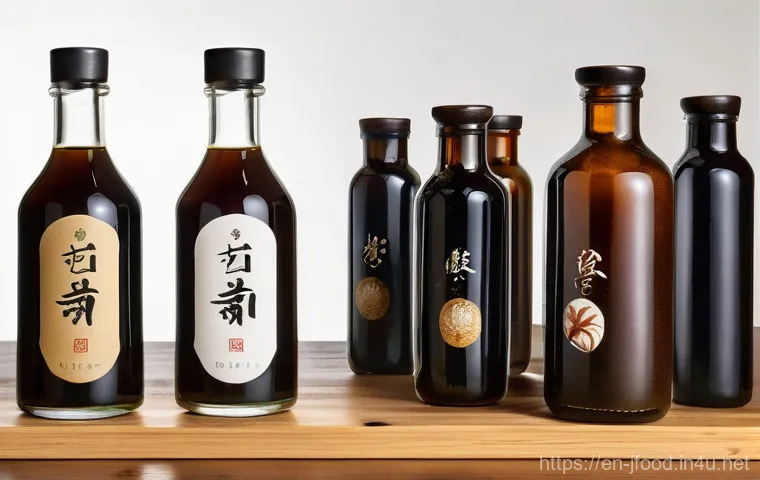
When you think of sake, your mind probably jumps to enjoying it as a drink, perhaps warmed or chilled with a delicious meal. But trust me, sake holds a powerful secret as a culinary ingredient. It’s not just for sipping; it’s a powerhouse that adds incredible depth and complexity to Japanese dishes. For years, I kept separate bottles – one for drinking and a cheap one for cooking. But over time, I learned that while cooking sake (ryorishu) has its specific uses, incorporating a good quality drinking sake into certain dishes can truly elevate your cooking to another level, similar to how a chef might choose a specific wine for a particular sauce. It’s about bringing out the best in your ingredients, enhancing umami, tenderizing, and even masking less desirable odors, all while adding a unique sweet and mellow flavor profile that you just can’t get from other liquids.
Cooking Sake vs. Drinking Sake: Knowing Your Brews
It’s important to understand that cooking sake (ryorishu) and drinking sake (nihonshu) aren’t exactly interchangeable, though they share similarities. Cooking sake is specifically formulated for culinary use; it often has added salt (around 2-3%) and sometimes other sweeteners or amino acids, making it less palatable for drinking but perfect for seasoning. This addition of salt is also a legal requirement in Japan to distinguish it from drinking alcohol for tax purposes, making it more affordable for home cooks. Its concentrated flavor and umami-enhancing properties are designed to integrate seamlessly into dishes. Drinking sake, on the other hand, is purer, with no added salt, and a more delicate, complex flavor profile that’s meant to be savored. While you *can* use drinking sake for cooking, especially for delicate desserts or when you want its subtle, floral notes to shine without added salt, you might need to adjust other seasonings. Generally, cooking sake is a versatile and economical choice for everyday cooking, while drinking sake can be a special touch for particular recipes.
Culinary Alchemy: Enhancing Flavors and Textures
Sake’s magic in the kitchen is multifaceted. Its alcohol content, typically around 15% for cooking sake, evaporates during cooking, leaving behind a wonderful depth of flavor without a harsh alcoholic taste. One of its most impressive abilities is to tenderize meats and break down tough fibers, making dishes like braised pork or chicken incredibly succulent. It’s also a champion at masking strong or unwanted odors in fish and meat, a technique widely used in Japanese cooking to ensure a clean, fresh taste. I love using it in marinades for grilled fish or in simmered dishes like nimono, where it adds a sweet, mellow richness and a beautiful savory umami. You can also use it in soups, sauces, and stir-fries to deepen the overall flavor profile. For dishes like clam steaming, sake can even replace white wine, offering a distinctively Japanese twist. It’s truly a secret weapon for adding that authentic “oomph” to your Japanese-inspired meals.
Beyond the Basics: Building a Masterful Japanese Pantry
So far, we’ve explored the foundational liquid seasonings, but the Japanese pantry is a treasure trove of other incredible ingredients that will truly elevate your cooking. Thinking back to my early days, I wish someone had given me a clear roadmap beyond just soy sauce and rice. There’s a whole world of dried goods, spices, and specialty sauces that contribute immensely to the intricate flavors of Japanese cuisine. It’s not about overwhelming your kitchen; it’s about strategically stocking up on items that offer maximum flavor impact and versatility. Once you have these essentials, you’ll find that recreating your favorite Japanese dishes, and even inventing new ones, becomes so much easier and more rewarding. It’s about empowering yourself to cook with confidence and authenticity.
Essential Additions for Flavorful Endeavors
Beyond the liquid staples, there are several dry goods and specialty items that are absolute must-haves for a well-rounded Japanese pantry. Think about toasted sesame oil, with its incredibly nutty aroma and flavor, perfect for finishing dressings or adding a fragrant touch to stir-fries. Then there’s furikake, that magical rice seasoning blend, often containing dried bonito flakes, seaweed, sesame seeds, and sometimes even egg or salmon. It’s perfect for sprinkling over steamed rice, noodles, or even avocado toast for an instant umami boost. Shichimi Togarashi, the “Japanese seven-spice blend,” is another personal favorite; its mix of chili flakes, roasted orange peel, sesame seeds, and other spices adds a fantastic kick and aromatic complexity to soups, noodles, and grilled meats. Dried shiitake mushrooms are incredible for adding deep, earthy umami to broths and stews. And don’t forget nori, the dried seaweed sheets, essential for sushi rolls, but also great for crumbling over dishes or enjoying as a snack. Each of these ingredients, though seemingly small, contributes significantly to the layered flavors that make Japanese food so special.
Where to Find Quality Ingredients
Finding high-quality Japanese ingredients can sometimes feel like a quest, especially if you don’t live near a large Japanese or Asian supermarket. But don’t despair! Many conventional grocery stores now carry a good selection of common items like Kikkoman soy sauce, mirin, and rice vinegar. For more specialized items like specific miso types, bonito flakes, or quality kombu, online Asian grocery stores are an absolute godsend. They often have a much broader selection, and you can sometimes find artisanal brands that offer superior flavor. When shopping, always check the ingredient labels. For soy sauce, look for “naturally brewed.” For mirin, try to find “hon-mirin” if possible, or at least one with minimal additives. I’ve found that investing a little extra in good quality foundational ingredients really makes a noticeable difference in the final taste of your dishes. Don’t be afraid to explore and try different brands – that’s part of the fun of discovering your own perfect pantry!
Personal Favorites and Must-Haves
If I had to narrow it down to my absolute must-haves for a truly authentic Japanese cooking experience at home, here’s my list. First, a good quality koikuchi soy sauce and a tamari for gluten-free options and richer flavors. Next, a hon-mirin for that essential sweetness and sheen, alongside a reliable cooking sake for tenderizing and deep umami. Miso is non-negotiable – I always have a container of white miso for lighter applications and a red miso for heartier dishes. Of course, kombu and katsuobushi are always in my cupboard for homemade dashi; it’s the backbone of so many meals. I also keep a bottle of mild rice vinegar for sushi and dressings. Beyond these, toasted sesame oil and shichimi togarashi are constant companions. These ingredients, when used thoughtfully, allow me to whip up everything from quick weeknight stir-fries to more elaborate celebratory meals, all infused with those unmistakable, deeply satisfying Japanese flavors. Starting with these, you’ll be well on your way to mastering your own Japanese culinary adventure!
Concluding Thoughts
Wow, what a journey through the heart of the Japanese pantry! I hope this deep dive into soy sauce, mirin, sake, miso, dashi, and rice vinegar has opened your eyes to the incredible depth and versatility these ingredients offer. For me, mastering these staples wasn’t just about cooking; it was about truly understanding the soul of Japanese cuisine and how seemingly simple elements combine to create such profound flavors. Remember, it’s not about being perfect, but about having fun experimenting and discovering what makes your taste buds sing. Each bottle and packet in your pantry is a stepping stone to creating truly memorable meals at home, and I’m genuinely excited for you to embark on your own culinary adventures with these amazing ingredients.
Useful Information to Know
Here are some extra nuggets of wisdom I’ve picked up over the years that I think you’ll find incredibly helpful as you stock your Japanese pantry and dive deeper into cooking! These little tricks can genuinely make a big difference in both your cooking process and the final outcome of your dishes.
1. Storing Your Staples Right
It’s amazing how much flavor can be preserved if you store your ingredients properly. For instance, once you open a bottle of soy sauce, especially the good quality, naturally brewed kind, it’s best to keep it in the refrigerator. The same goes for mirin and cooking sake; while they have alcohol, their delicate flavors can degrade at room temperature once exposed to air. Miso, on the other hand, *must* be refrigerated after opening, as it’s a fermented product, and keeping it cold slows down further fermentation and prevents it from becoming too salty or losing its nuanced taste. I learned this the hard way when a batch of my favorite white miso developed a much sharper flavor than I preferred because I left it out too long. Always seal containers tightly to keep out air and moisture, which are the enemies of freshness!
2. Don’t Be Afraid of Substitutions (Within Reason)
While I always advocate for using authentic ingredients, sometimes you’re in a pinch! If you don’t have hon-mirin, a common household hack is to use dry sherry or white wine mixed with a pinch of sugar. It’s not a perfect match, but it provides a similar sweetness and a touch of acidity. For cooking sake, a dry white wine can often be a decent stand-in, especially for deglazing or adding depth to stews, though you might miss that distinct rice wine aroma. However, for soy sauce and miso, I’d strongly advise against substitutions – their unique umami profiles are just too integral to Japanese flavors. I’ve tried using Worcestershire sauce as a “savory” alternative once, and let’s just say my stir-fry ended up tasting very… confused. Stick to the real deal for those foundational flavors!
3. Read Those Labels Like a Detective
When you’re shopping for Japanese ingredients, especially online, become a label detective! For soy sauce, look for “naturally brewed” (or “honjozo” in Japanese) which signifies a traditional fermentation process, yielding a richer, more complex flavor than chemically produced versions. For mirin, aim for “hon-mirin” which is true mirin with a higher alcohol content and no added salt. “Aji-mirin” or “mirin-fu” are mirin-like seasonings, often with less alcohol and more sugar or other additives, making them cheaper but less authentic. Cooking sake should ideally list rice and koji as primary ingredients, and often salt. I always check the sodium content too, especially with instant dashi or cooking sake, as it can significantly impact how much salt you add to your dish overall. It’s like knowing the difference between a real leather bag and a synthetic one – both might look similar, but the quality and feel are worlds apart!
4. Homemade Dashi is a Game Changer
Seriously, if there’s one thing you take away from this entire post, it’s to try making dashi from scratch at least once. It might seem intimidating, but it’s surprisingly easy and quick, taking less than 20 minutes for a basic kombu and katsuobushi dashi. The difference in freshness, purity, and depth of flavor compared to instant granules is truly astounding. It’s like brewing your own coffee versus instant coffee – both get the job done, but one offers a much more nuanced and satisfying experience. Plus, the aroma that fills your kitchen while it’s simmering is just divine. I promise, once you taste homemade dashi, you’ll understand why it’s considered the soul of Japanese cuisine, and you’ll find yourself reaching for it more often than you think!
5. Balance is Key: The “SaShiSuSeSo” Principle
In traditional Japanese cooking, there’s a mnemonic to remember the order in which seasonings should be added: “SaShiSuSeSo.” This stands for Sato (sugar), Shio (salt), Su (vinegar), Seyu (soy sauce – ‘se’ sound for shoyu), and So (miso). This order isn’t just arbitrary; it’s about allowing each seasoning to properly penetrate and enhance the ingredients. Sugar should go in first because it takes the longest to absorb. Salt comes next, then vinegar, which helps to tenderize ingredients. Soy sauce, with its strong aroma, should be added relatively late, and finally, miso (especially in soups) is added last to preserve its delicate flavor and beneficial probiotics. It’s a fantastic little rule of thumb that I always keep in mind, and it genuinely helps create more harmonious and flavorful dishes.
Key Takeaways
Okay, if you’re still with me, you’re well on your way to becoming a Japanese pantry master! The biggest takeaway here is that Japanese cuisine isn’t about overpowering flavors, but rather about creating a beautiful balance and depth with a few key, high-quality ingredients. We’ve seen how each component, from the savory richness of soy sauce and miso to the delicate sweetness of mirin and the umami foundation of dashi, plays a crucial, distinct role. Remember that understanding the different types of soy sauce, the unique functions of mirin and sake, and the versatility of miso and dashi will unlock a whole new world of culinary possibilities for you. Don’t be afraid to experiment, trust your palate, and most importantly, enjoy the process of bringing these incredible flavors into your home kitchen. Happy cooking!
Frequently Asked Questions (FAQ) 📖
Q: I always get lost in the
A: sian aisle! What’s the biggest difference between say, light and dark soy sauce, or mirin and cooking sake, and how do I know which one to grab for my dish?
A1: Oh my goodness, you are definitely not alone in that kitchen conundrum! I totally remember my early days, standing there bewildered, wondering if I was about to ruin my dinner with the wrong choice.
Here’s the lowdown: for soy sauce, it’s mostly about depth of flavor and color. Light soy sauce (usukuchi shoyu) is actually saltier and lighter in color, often used when you want the soy flavor without darkening the dish too much – think clear soups or lighter stir-fries where visual appeal matters.
Dark soy sauce (koikuchi shoyu) is less salty, has a richer, more complex umami, and a deeper color, making it perfect for marinades, braises, and dishes where you want that classic soy depth.
My go-to is usually a good quality dark soy for most things, and I only reach for light if I’m really concerned about the dish’s appearance. Now, for mirin versus cooking sake, this is a fun one!
They both add liquid and a certain je ne sais quoi, but they are not interchangeable. Mirin is a sweet rice wine, almost like a syrupy sake, with a lower alcohol content and a distinct sweetness that adds gloss and a lovely mellow flavor.
It’s absolutely essential for glazes (hello, teriyaki!), dressings, and simmering broths where you want that signature subtle sweetness and shine. Cooking sake (ryorishu), on the other hand, is a drier, less sweet rice wine with a higher alcohol content.
It’s more about tenderizing meats, eliminating strong odors, and adding an underlying umami boost without the sweetness. Think of it as a flavor enhancer and tenderizer.
I always say, if you want sweetness and sheen, go for mirin; if you want to round out flavors and tenderize, grab the sake. Trust me, once you try them side-by-side in your cooking, you’ll instantly taste the difference!
It’s truly a game-changer.
Q: You mentioned ‘umami-rich dishes’ and ‘natural fermentation.’ Can you explain why these specific Japanese seasonings are so transformative and what makes them so unique compared to what I usually use?
A: This is such a brilliant question because it gets right to the heart of what makes Japanese cuisine so utterly captivating! What makes these seasonings – like soy sauce, miso, and mirin – so profoundly transformative really boils down to two things: umami and the magic of fermentation.
We’re all familiar with sweet, sour, salty, and bitter, right? But umami is that fifth taste, that savory, deeply satisfying, mouth-watering sensation that makes you crave another bite.
These Japanese staples are bursting with naturally occurring umami thanks to their fermentation processes. Take miso, for example; it’s fermented soybeans, rice, or barley with koji mold.
That process breaks down proteins into amino acids, creating a flavor bomb that instantly adds incredible depth and complexity to anything from a simple soup to a marinade.
It’s not just “salty”; it’s a full-bodied savoriness that coats your tongue. When I first started seriously cooking Japanese food, I was just using salt and pepper like everyone else, and my dishes were fine, but they never had that oomph.
Then, I started incorporating real mirin, shoyu, and miso. It was like night and day! My stews tasted richer, my stir-fries had more character, and even a simple grilled fish became extraordinary.
It’s because these ingredients aren’t just adding one flavor; they’re adding layers of nuanced taste, creating a balanced symphony on your palate. They’re unique because they harness these ancient techniques to unlock flavors that simply can’t be replicated with a dash of sugar or a pinch of salt.
They are the backbone, the very soul, of authentic Japanese flavor, and once you start using them, you’ll honestly wonder how you ever cooked without them.
It’s not just about flavor; it’s about a feeling of wholesome, deep satisfaction that makes every meal a culinary hug.
Q: Okay, I’m convinced! But where do I even begin? What’s the simplest way for a beginner to start using these essential Japanese seasonings in everyday meals without feeling totally out of their depth?
A: That’s fantastic! I love hearing that because it means you’re ready to unlock a whole new world of flavor in your kitchen, and trust me, it’s easier than you think!
The key is to start simple and build from there. Don’t feel like you need to whip up an elaborate multi-course meal on day one. My absolute favorite way for beginners to dive in is by creating a super simple, versatile marinade or dressing.
Here’s a little secret recipe I use all the time: whisk together about two tablespoons of good quality dark soy sauce, one tablespoon of mirin, one tablespoon of cooking sake, and a tiny dash of sesame oil.
That’s it! This magic potion can transform so many everyday ingredients. Use it as a marinade for chicken, pork, or firm tofu before grilling or pan-frying.
You can also thin it out with a little water or rice vinegar and drizzle it over roasted vegetables, a simple salad, or even a bowl of rice. I remember making this exact marinade for some chicken thighs once, and my family, who were a bit skeptical about “new” flavors, devoured them!
They were asking for seconds, which, let’s be real, is the ultimate compliment. Another easy entry point is incorporating miso paste. Start with a quick miso glaze for fish or vegetables.
Just mix a tablespoon of white or yellow miso with a teaspoon of mirin and a tiny bit of soy sauce, then brush it onto salmon fillets or asparagus spears before baking or broiling.
You’ll get this incredible savory-sweet crust that is just divine. The beauty of these seasonings is that a little goes a long way, and they play so well with ingredients you probably already have.
Start small, experiment, and don’t be afraid to taste and adjust. You’ll be surprised how quickly you get a feel for them, and before you know it, you’ll be a Japanese seasoning pro!