The Secret Ingredient You’re Not Using Unveiling Japanese Pickled Ginger’s Magic

webmaster

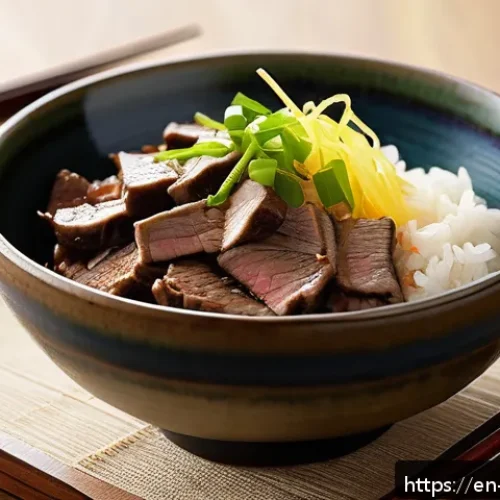
일본식 생강 절임 - **A Vibrant Gari-Infused Grain Bowl.**
    A beautifully composed overhead shot of a colorful, healt...

It’s funny how sometimes the smallest things on our plate make the biggest difference, isn’t it? For years, I just thought of those delicate, pink, sometimes pale yellow slices of Japanese pickled ginger, or *gari*, as merely a palate cleanser between sushi rolls.

Boy, was I wrong! I mean, who hasn’t reached for that little pile, thinking it’s just there for tradition? But trust me, once you start to really appreciate its zingy, subtly sweet, and surprisingly complex flavor, it opens up a whole new world of culinary possibilities that extends far beyond your favorite maki.

It’s not just a sidekick; it’s a flavor powerhouse that’s finding its way into all sorts of dishes, riding high on the wave of fermented foods and healthy eating trends.

From boosting gut health to adding a vibrant kick to everyday meals, this humble condiment is truly having its moment, and for good reason! This isn’t just about sushi anymore; we’re seeing it pop up in everything from salads to marinades, and even innovative cocktails.

So, let’s peel back the layers and discover exactly what makes Japanese pickled ginger so incredibly versatile and beneficial.

Beyond the Sushi Plate: Gari’s Unexpected Culinary Adventures

일본식 생강 절임 - **A Vibrant Gari-Infused Grain Bowl.**
    A beautifully composed overhead shot of a colorful, healt...

You know, for the longest time, I was just like most people. Gari was that pretty pink (or sometimes naturally pale yellow) pile of ginger nestled beside my sashimi, strictly a palate cleanser to reset my taste buds between different kinds of fish. But oh, how my culinary world expanded when I dared to think outside that little soy sauce dish! It started subtly, a curious nibble with something other than sushi, and before I knew it, I was experimenting, tossing it into stir-fries, and even sneaking it into a sandwich. And let me tell you, the results were often nothing short of spectacular. It’s funny how a single ingredient can transform a dish, isn’t it? I mean, who would’ve thought that this humble pickled root could be so much more than a sushi sidekick? The vibrant acidity and subtle sweetness, coupled with that unmistakable ginger warmth, just sing in a way that regular ginger often can’t when you need that fresh, zesty kick. I’ve found it to be an absolute game-changer in so many different meals, proving that sometimes, the best flavors come in the most unexpected packages.

A Zesty Twist in Everyday Meals

One of my favorite discoveries has been incorporating gari into my everyday cooking, especially when I’m looking to add a burst of freshness without a lot of fuss. Imagine this: a simple grilled chicken breast, maybe a bit bland on its own, suddenly comes alive with a finely chopped sprinkle of gari on top. It’s not just the flavor; it’s the texture too, that slight crispness that awakens your palate. I’ve even thrown it into a quick weeknight fried rice – just a tablespoon or two, diced small, stirred in at the very end. The warmth of the ginger cuts through the richness, adding a bright, unexpected pop. It truly elevates the entire dish, making it feel less like a rushed meal and more like a thoughtful culinary creation. Trust me, once you start, you’ll find yourself reaching for that jar of gari far more often than you ever imagined.

Marinades and Dressings: The Secret Ingredient

Here’s a little secret I’ve picked up that’s completely revolutionized my marinades and salad dressings: gari. Yes, you heard that right! The pickling liquid itself, often discarded, is liquid gold. It’s already got that perfect balance of sweet, sour, and salty, infused with ginger’s aromatic goodness. I’ve used it as the base for a quick vinaigrette by whisking it with a good quality olive oil, a touch of soy sauce, and a hint of sesame oil. For marinades, finely mincing a few slices of gari and adding it to your chicken or pork marinade introduces an incredible depth of flavor and a tenderizing effect. I distinctly remember trying it with some shrimp for grilling last summer, and my friends were raving about how uniquely flavorful they were. It’s like an instant flavor booster, already perfectly balanced, saving you from fussing with too many different seasonings. It’s become a staple in my kitchen for those moments when I want to impress with minimal effort.

The Zesty Health Boost You Didn’t Know You Needed

Beyond its incredible flavor, Japanese pickled ginger is quietly packed with some serious health benefits that often fly under the radar. When I first started digging into this, I was genuinely surprised. We often hear about the benefits of fresh ginger – its anti-inflammatory properties, its ability to soothe an upset stomach – but the pickling process doesn’t strip away these goodnesses; in some ways, it even enhances them or adds new dimensions. Think about it: a food that tastes amazing and is good for you? That’s a win-win in my book! I’ve personally noticed that having a few slices with my meals, especially heavier ones, seems to aid my digestion. It’s a feeling of lightness and comfort that I truly appreciate. Plus, in an age where gut health is finally getting the attention it deserves, gari stands out as a delicious way to support your body’s inner workings. It’s more than just a flavor enhancer; it’s a wellness ally in disguise.

Gut Health and Probiotic Power

One of the most fascinating aspects of gari, to me, is its connection to gut health. While not all commercially produced gari undergoes traditional fermentation, many varieties, especially those made with natural methods, can offer a boost to your gut microbiome. The beneficial bacteria introduced during the pickling process are fantastic for digestion and overall gut wellness. I’ve always been a big believer in fermented foods, and finding another delicious way to incorporate them into my diet was a revelation. A happy gut often means better nutrient absorption, a stronger immune system, and even improved mood – who wouldn’t want that? So, while you’re enjoying that zingy taste, know that you’re also doing your belly a favor. It’s a delicious secret weapon for keeping your digestive system humming along nicely, and personally, I’ve felt a noticeable difference in my overall energy levels since making it a regular part of my meals.

Anti-inflammatory and Antioxidant Properties

We all know ginger is a powerhouse when it comes to fighting inflammation, and the pickled version is no exception. Those powerful compounds like gingerols and shogaols are still very much present, working their magic. I’ve often turned to ginger in various forms when I feel a bit rundown or have minor aches, and gari provides a convenient and tasty way to get a dose of these beneficial compounds. Beyond inflammation, ginger also boasts impressive antioxidant properties, which help combat free radicals in the body, protecting your cells from damage. It’s like having a tiny, delicious shield against the everyday wear and tear our bodies endure. Thinking of it this way, those few slices of gari aren’t just a treat for your taste buds; they’re a tiny investment in your long-term health, offering a proactive approach to wellness that’s both enjoyable and effective. My body always feels better when I include it regularly.

Culinary Use Case Flavor Contribution Best Paired With
Sushi & Sashimi Palate cleanser, sharp contrast to rich fish All types of sushi and sashimi
Salads & Grain Bowls Bright acidity, zesty kick, light crunch Cucumber, avocado, grilled chicken, quinoa, rice bowls
Marinades & Dressings Tenderizing, complex sweet/sour/spicy notes Pork, chicken, shrimp, fish, vinaigrettes
Sandwiches & Wraps Tangy counterpoint, refreshing bite Turkey, ham, grilled vegetables, cream cheese
Stir-fries & Noodle Dishes Aromatic warmth, cuts through richness Beef, tofu, ramen, pad thai, fried rice
Advertisement

Crafting Your Own Gari: A Kitchen Experiment

Now, while buying pre-made gari is perfectly fine and super convenient, there’s something incredibly satisfying about making your own. I stumbled upon a recipe a while back, feeling a bit adventurous in the kitchen, and decided to give it a whirl. And let me tell you, the aroma that filled my kitchen as the ginger simmered was absolutely divine. Plus, you get to control the sweetness, the tang, and even the intensity of the ginger, which is a huge plus if you have specific preferences. It’s a bit of a project, I won’t lie, but it’s one of those culinary endeavors that truly makes you feel like a seasoned chef, even if you’re just experimenting in your own home. The freshness of homemade gari is unparalleled, and the sense of accomplishment you get from a jar of perfectly pink, crisp ginger that you made yourself? Priceless. It’s an experience I highly recommend to any food lover looking to expand their culinary horizons and connect with their food on a deeper level.

Sourcing the Perfect Ginger

The secret to truly amazing homemade gari starts with the ginger itself. You want young ginger, if you can find it. It’s typically lighter in color, has thinner skin that’s easier to peel, and most importantly, it’s less fibrous and has a milder, more delicate flavor. This is what gives gari its signature tender, crisp bite. I remember one time, I tried using some older, tougher ginger I had lying around, thinking, “ginger is ginger, right?” Boy, was I wrong! The resulting gari was stringy and too pungent, nothing like the delicate slices I craved. So, head to your local Asian market or a well-stocked grocery store and look for ginger with smooth, shiny skin and a pale, almost translucent appearance when cut. It might take a little extra effort to find, but trust me, it’s entirely worth it for that perfect texture and subtle flavor that elevates your homemade batch from good to absolutely phenomenal. It makes all the difference in the world.

The Simple Art of Pickling at Home

The actual pickling process for gari is surprisingly straightforward once you get the hang of it, and it really is an art form that anyone can master. After peeling and thinly slicing your fresh ginger – a mandoline is your best friend here for consistent thickness! – you’ll usually give it a quick blanch in boiling water. This step is crucial; it mellows out the raw pungency and helps achieve that beautiful, delicate texture. Then comes the magic: a simple brine of rice vinegar, sugar, and a pinch of salt. You bring that to a gentle boil, pour it over your blanched ginger, and let it cool. As it sits, the ginger slowly absorbs that sweet, tangy liquid, transforming into the vibrant, zesty gari we all love. It’s a testament to how a few simple ingredients can create something so complex and delicious. I remember my first batch; watching the ginger turn that lovely pale pink (if it’s truly young ginger) was like a little science experiment unfolding in my fridge, and the taste test was pure triumph!

From Palate Cleanser to Flavor Star: Gari’s Rise

It’s fascinating to watch how certain ingredients evolve in the culinary landscape, isn’t it? For decades, Japanese pickled ginger was firmly planted in its role as a palate cleanser, a humble accompaniment to sushi. But something shifted. As chefs and home cooks alike became more adventurous, exploring global flavors and focusing on fresh, vibrant ingredients, gari started to break free from its traditional confines. I’ve seen it go from being merely a supporting player to often stealing the show in unexpected ways, a true testament to its versatility and unique appeal. It’s no longer just an afterthought; it’s being intentionally sought out for its distinctive zing and ability to brighten a dish. This rise in popularity isn’t just a fleeting trend; it speaks to a deeper appreciation for fermented foods and bold flavors that awaken the senses. It makes me genuinely happy to see such a fantastic ingredient finally getting the recognition it deserves in kitchens far beyond Japanese restaurants.

The Evolution of a Condiment

If you think about the history of food, many condiments start off serving a very practical purpose, like preservation, before their unique flavors are truly celebrated. Gari is no different. Its origins are deeply rooted in Japanese culinary tradition, not just for its taste but also for its digestive properties and ability to cut through the richness of raw fish. But over time, as palates diversified and cross-cultural culinary influences grew, people began to appreciate gari’s inherent flavor profile – that perfect balance of sweet, sour, and spicy – as something valuable in its own right. It wasn’t just about what it *did* for sushi anymore, but what it *could do* for a myriad of other dishes. I think of it like hot sauce or even mustard; once a functional item, now a beloved flavor enhancer used in countless creative ways. This evolution is a beautiful example of how food traditions adapt and inspire new innovations, constantly enriching our dining experiences.

Why Gari is Trending in Modern Cuisine

일본식 생강 절임 - **The Art of Homemade Gari.**
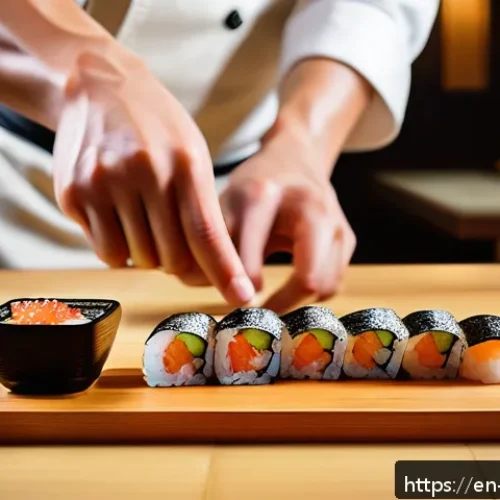
    A close-up, well-lit image showcasing the process of making homema...

So, why is gari suddenly everywhere? I believe it’s a combination of factors. Firstly, the ongoing fascination with fermented foods and their health benefits has definitely put gari in the spotlight for its potential gut-friendly properties. Secondly, modern cuisine is all about layering flavors, and gari offers a complex, multi-dimensional taste profile that’s hard to replicate with other ingredients. Its bright acidity and gentle heat can elevate a dish without overpowering it, providing that sought-after “pop” that chefs and home cooks are constantly chasing. I’ve noticed it appearing in everything from high-end restaurant menus as a delicate garnish to trendy food trucks incorporating it into their fusion tacos. It just works! It’s fresh, it’s vibrant, and it brings an element of surprise that keeps things exciting. It taps into our desire for both health and flavor, making it perfectly suited for today’s adventurous and health-conscious eaters.

Advertisement

Pairing Perfection: What to Enjoy with Your Pickled Ginger

One of the most enjoyable aspects of truly embracing gari is discovering just how incredibly versatile it is when it comes to pairings. It’s like having a culinary chameleon in your fridge, ready to adapt and enhance almost anything you throw its way. Gone are the days when I’d only consider it for sushi night. Now, I find myself thinking, “would a little gari make this even better?” and more often than not, the answer is a resounding yes! Its unique sweet-tangy-spicy profile allows it to complement a surprisingly wide array of ingredients and cuisines. It brings a freshness that can cut through richness, a zestiness that brightens up a dish, and a subtle warmth that adds depth without overwhelming. It’s about finding that perfect balance, that little spark that makes a good meal truly memorable. Experimentation is key here, and I’ve had so much fun exploring new combinations that have completely changed my perspective on what gari can do.

Classic Companions Beyond Sushi

While sushi will always be gari’s most iconic companion, there are so many other classic pairings that deserve your attention. Think about fatty meats – pork belly, grilled salmon, or even a rich duck confit. The sharp, clean bite of gari beautifully cuts through the richness, cleansing your palate and making each subsequent bite even more enjoyable. It’s the same principle as serving apple sauce with pork! I’ve also found it to be a fantastic addition to various kinds of Asian-inspired rice bowls or noodle salads, where its vibrant flavor adds a much-needed lift. Even something as simple as scrambled eggs gets an unexpected upgrade with a few finely chopped pieces stirred in. It’s about leveraging its inherent ability to balance and refresh, taking familiar dishes and giving them a sophisticated, zesty twist that’s both comforting and exciting. You really can’t go wrong with these tried and true combinations.

Global Flavors Embracing Gari

What’s truly exciting is seeing gari transcend its Japanese roots and find a place in diverse global cuisines. I’ve personally tried it in Mexican-inspired dishes, where its tanginess provides a wonderful counterpoint to spicy salsas and rich meats in tacos or burritos. Imagine shredded pickled ginger instead of pickled onions on your carnitas! It also plays wonderfully with Middle Eastern flavors, adding a vibrant spark to a lamb tagine or even a simple hummus plate. The key is understanding its core flavor profile and how that can complement or contrast with other ingredients. It’s about breaking down culinary barriers and realizing that great flavors can come from anywhere. This global adoption isn’t just a fad; it’s a testament to gari’s universal appeal and its capacity to enhance a vast spectrum of culinary traditions, proving that good food truly knows no borders.

Smart Swaps & Creative Kicks: Gari in Everyday Cooking

Sometimes, the easiest way to incorporate a new ingredient into your cooking is to think about it as a clever substitute for something you already use. That’s exactly how I started getting really creative with gari, and it opened up a whole new world of flavor possibilities in my everyday meals. Instead of always reaching for the same old pickles or relishes, I challenged myself to see where gari could step in, and the results were often delightful surprises. It brings a unique brightness and a subtle heat that can really transform a dish, making it feel more gourmet with minimal effort. It’s all about experimenting and trusting your taste buds. I’ve found that these “smart swaps” not only make my meals more interesting but also often contribute a healthier, more vibrant element. It’s about thinking outside the box and letting your creativity flow in the kitchen, turning familiar recipes into exciting new culinary experiences.

Replacing Other Pickles and Condiments

Seriously, give this a try: next time you’re about to put regular dill pickles on your burger or sandwich, grab some gari instead. The sharp, sweet-sour crunch of gari offers a surprisingly refreshing alternative. It cuts through the richness of meat and cheese beautifully, adding a whole new dimension of flavor that’s lighter and zestier. I’ve swapped it for cucumber relish on hot dogs and even used finely chopped gari in place of capers in a homemade tartare sauce, and it was absolutely brilliant. It also works wonderfully as a tangy addition to potato salad or coleslaw, providing a unique zing that sets your dish apart. It’s not just a one-to-one replacement; it’s an upgrade that brings a more complex and exciting flavor profile to your plate. Once you experience how effectively gari can elevate these everyday items, you’ll wonder how you ever managed without it.

Adding a Punch to Sandwiches and Wraps

Let’s talk sandwiches and wraps. These are staples for so many of us, but they can sometimes feel a bit…uninspired. This is where gari truly shines as a secret weapon. A few thin slices layered into your turkey club or chicken salad wrap can totally transform it. It adds a vibrant, zesty punch and a textural crunch that prevents everything from feeling soggy or monotonous. I’ve even put it in my grilled cheese, and the sweet-tartness against the savory, melted cheese was an absolute revelation. It’s not just about the flavor; it’s about that sensory experience, that unexpected bright note that makes each bite more exciting. Whether it’s a simple veggie wrap or a hearty meat-filled creation, gari provides that sophisticated, fresh element that makes your lunch feel less like a quick bite and more like a thoughtfully crafted meal. It’s one of my favorite ways to inject some life into an otherwise ordinary midday meal.

Advertisement

글을 마치며

So, there you have it – my full immersion into the wonderful world of gari, a journey that’s taken me far beyond the traditional sushi plate. It’s been an absolute blast experimenting with this vibrant ingredient, and I truly hope my adventures have inspired you to look at that little jar of pickled ginger with fresh eyes. Remember, cooking is all about discovery and having fun, and sometimes, the most unexpected ingredients hold the key to unlocking exciting new flavors in your kitchen. Don’t be shy; grab a jar, get creative, and let gari surprise you!

알아두면 쓸모 있는 정보

1. Storage Secrets & Freshness: To keep your gari at its absolute best, always make sure it’s stored in an airtight container within its original pickling liquid in the refrigerator. This ensures it stays crisp, vibrant, and full of flavor for a much longer time, often several months past its opening date. Don’t let it dry out, as that’s when it loses its delightful texture and zing. I’ve personally found that it’s truly a pantry (or rather, fridge) staple that lasts surprisingly well once opened, making it a valuable ingredient to always have on hand for those spontaneous culinary experiments. Even if you only use a little bit at a time, it patiently waits for your next inspiration.

2. Understanding Gari’s Color Palette: Ever wondered why some gari is bright pink and others are a delicate pale yellow? The natural color of pickled young ginger is actually a soft, translucent yellow, sometimes with a faint blush of pink from anthocyanins present in the ginger’s skin. However, many commercially produced varieties are dyed pink using ingredients like perilla leaves or food coloring to enhance their visual appeal. If you’re looking for the most natural option, a paler hue often indicates less intervention, but both pink and yellow varieties offer that signature sweet-tangy flavor. It’s all about personal preference and what you’re comfortable with on your plate, but the flavor profile is generally consistent regardless of color.

3. Where to Find Your Gari: Japanese pickled ginger is thankfully quite accessible these days! You’ll typically find it in the international foods aisle of larger grocery stores, especially those with a good Asian section. Your absolute best bet for variety and often better quality is an Asian supermarket, where you might even discover different brands and types, from naturally colored to specialty artisan versions. Online retailers are also a fantastic resource, sometimes offering gourmet or bulk versions that are harder to find locally. Don’t settle for just any brand; explore a bit to find one whose balance of sweet, sour, and spicy truly speaks to your palate. Trust me, a good gari can make all the difference!

4. Liquid Gold: Don’t Discard the Brine! This is a game-changer, folks! The leftover pickling liquid from your gari jar is an absolute treasure trove of flavor that far too many people pour down the drain. It’s a perfectly balanced blend of sweet, tangy, and subtly spicy, already infused with ginger’s aromatic goodness. I love using it as the base for a quick salad dressing by whisking it with some good quality olive oil and a touch of sesame oil, or incorporating it into marinades for chicken, pork, or fish to add an instant zing and tenderize the meat. It can also elevate a simple dipping sauce for dumplings or spring rolls, giving it an unexpected depth. Think of it as a pre-made flavor booster, saving you time and adding incredible zest to your dishes – it’s a brilliant way to reduce food waste and enhance your cooking simultaneously, a true two-for-one kitchen hack!

5. The Joy of Crafting Your Own Gari: While store-bought gari is undeniably convenient, there’s an undeniable satisfaction and superior freshness that comes from making your own. It’s a fun, rewarding kitchen experiment that truly connects you to your food on a deeper level. You get complete control over the ginger’s thickness, the level of sweetness, and the intensity of the vinegar, allowing you to tailor it precisely to your unique taste preferences. Plus, the process of thinly slicing fresh young ginger and watching it transform in the pickling brine is genuinely therapeutic and feels like a little bit of culinary magic. The resulting homemade gari will not only impress your friends and family but will also give you a profound sense of accomplishment, and honestly, the taste of homemade often far surpasses anything you can buy. It’s a culinary adventure I highly recommend embarking on, especially if you love to personalize your flavors!

Advertisement

중요 사항 정리

To wrap things up, our exploration of Japanese pickled ginger, or gari, has hopefully opened your eyes to its incredible potential far beyond being just a sushi sidekick. We’ve journeyed through its unexpected culinary versatility, discovering how its bright acidity, subtle sweetness, and gentle heat can elevate everything from everyday sandwiches and stir-fries to sophisticated marinades and vibrant salad dressings. More than just a flavor enhancer, gari also brings a host of potential health benefits to the table, particularly for gut health and its anti-inflammatory properties, making it a delicious and mindful addition to a wellness-focused diet. The key takeaway here is simple: don’t limit your imagination! Embrace gari as a dynamic, secret weapon in your kitchen, experiment freely with its unique flavor profile, and let it inspire you to create dishes that are not only bursting with flavor but also uniquely yours. It’s a truly versatile, healthful, and utterly delicious ingredient that fully deserves a starring role in your culinary repertoire.

Frequently Asked Questions (FAQ) 📖

Q: What are some surprising ways I can use Japanese pickled ginger beyond just eating sushi?

A: This is a fantastic question because, honestly, the possibilities are way broader than most people realize! I used to be stuck in that “sushi-only” mindset too, but once I started experimenting, it was a game-changer.
Think of gari as a secret weapon for adding a bright, zesty, and slightly sweet kick to almost anything. I’ve personally chopped it finely and tossed it into my avocado toast for an unexpected morning zing – seriously, try it!
It’s incredible in salad dressings; just mince it up and whisk it into your vinaigrette for an instant flavor upgrade. I even mix it into marinades for chicken or fish before grilling, and it imparts this incredible depth and tenderness.
And if you’re feeling adventurous, don’t even get me started on how it elevates a stir-fry or acts as a surprising garnish for grilled vegetables. It truly wakes up your palate, and once you start, you’ll find yourself reaching for that little jar more often than you’d think.
It’s all about that vibrant, fermented punch!

Q: I’ve heard a lot about fermented foods being good for you. Does Japanese pickled ginger offer any actual health benefits?

A: Absolutely, and this is where gari really shines beyond its fantastic flavor! You’re hitting on a huge trend, and for good reason. As someone who’s always looking for ways to boost my gut health, I was thrilled to learn that this delightful condiment isn’t just a tasty side.
Traditional gari is fermented, which means it introduces beneficial probiotics into your system. Think of it as a little army of good bacteria helping to balance your gut microbiome.
A happy gut often means better digestion, and for me, that’s a huge win. Plus, ginger itself is a powerhouse, right? It’s known for its anti-inflammatory properties and can even help with nausea.
While the pickling process might alter some of the raw ginger’s direct potency, you’re still getting the digestive benefits from both the fermentation and the inherent qualities of the ginger.
It’s a delicious way to subtly support your well-being, and honestly, who doesn’t love a health benefit that tastes this good?

Q: Is it possible to make Japanese pickled ginger at home, and how long does it typically last?

A: Oh, absolutely! And let me tell you, there’s a certain satisfaction that comes from making your own. I ventured into homemade gari a while back, and while it takes a tiny bit of patience, the result is incredibly fresh and customizable.
All you really need is young ginger (which is key for that delicate texture and natural pink hue), rice vinegar, sugar, and a pinch of salt. You’ll blanch the ginger, then steep it in the cooled pickling liquid.
There are tons of fantastic recipes online, and I encourage you to give it a try! As for how long it lasts, store-bought gari usually has a pretty long shelf life in the fridge once opened – think several weeks, sometimes even a couple of months, if kept airtight.
For homemade versions, I usually aim to consume it within 2-3 weeks, again, always kept in a sealed jar in the refrigerator. Just be sure to use clean utensils every time you dip in, and trust your nose and eyes – if it smells off or looks cloudy, it’s time to part ways.
Enjoying it fresh is always the best way to go!