Hey there, fellow food adventurers! If you’re anything like me, you’ve probably got a bottle of Japanese soy sauce sitting in your kitchen, maybe even a few different kinds.
But have you ever wondered if you’re truly unlocking its full potential? For years, I’d just splash it into my dishes, thinking I was doing it right, only to realize I was missing out on a whole world of flavor.
It wasn’t until I really started experimenting, diving deep into the art of Japanese cooking, that I discovered how a perfectly balanced shoyu seasoning can transform an ordinary meal into something extraordinary.
This isn’t just about adding salt; it’s about crafting that irresistible umami depth that makes every bite sing. I’ve personally found that getting the “just right” balance can feel like a superpower in the kitchen, and it’s a skill that will absolutely elevate all your home-cooked meals.
Trust me, once you master this, you’ll never look back. Ready to become a true master of Japanese flavor? Let’s get this perfectly balanced!
Decoding the Shoyu Spectrum: Beyond the Basic Bottle

Okay, so you’ve got a bottle labeled “soy sauce” in your pantry, probably the one you grab for everything from stir-fries to sushi. But let me tell you, friends, that’s just scratching the surface! When I first started exploring Japanese cuisine seriously, I was totally blown away by the sheer diversity of shoyu. It’s like discovering there’s a whole rainbow of colors when you thought there was only red. Each type, from the light and delicate to the rich and robust, brings its own unique magic to a dish. It’s not just about a salty kick; it’s about depth, aroma, and that elusive umami punch. I’ve personally found that having a few different kinds on hand completely transforms my cooking. You wouldn’t use a delicate white wine for a hearty beef stew, right? The same principle applies here. Understanding these nuances is the first step to becoming a true flavor wizard in your kitchen. It’s a game-changer, trust me. I used to think soy sauce was just… soy sauce. What a naive thought that was! Once you start distinguishing between them, your taste buds will thank you, and your dishes will go from good to absolutely glorious. It’s truly an eye-opening experience that makes every home-cooked meal feel like a special occasion, showcasing your newfound expertise.
Unveiling the “Big Five” Japanese Shoyu Types
Let’s get down to the nitty-gritty of what’s truly out there. When you talk about Japanese soy sauce, you’re usually looking at five main categories, and each has its own personality. First up, Koikuchi, which is your standard, all-purpose dark soy sauce. This is probably what you already have. Then there’s Usukuchi, a lighter-colored, saltier version often used in Kansai cooking to maintain the visual integrity of ingredients. Don’t let the “light” color fool you; it packs a punch! Tamari is another one you might see, often gluten-free, with a thicker consistency and a richer, less salty, more complex umami flavor. Shiro Shoyu, or white soy sauce, is incredibly pale and delicate, perfect for dishes where you want the savory depth without darkening the food. Finally, Saishikomi, or “twice-brewed” soy sauce, is the connoisseur’s choice – intensely dark, rich, and deeply umami, almost like a soy sauce concentrate. I remember the first time I tried Saishikomi; it was like an explosion of flavor I didn’t even know was possible. Experimenting with these has been one of the most rewarding culinary journeys I’ve embarked on.
Beyond the Basics: Artisanal & Regional Shoyu
Just when you think you’ve got a handle on the main types, you’ll discover the wonderful world of artisanal and regional shoyu. This is where things get really exciting for a food enthusiast like me! Across Japan, local brewers use unique techniques, specific types of soybeans, and varying fermentation processes to create shoyu with distinct regional characteristics. Think about the differences between wines from Napa Valley versus Bordeaux – it’s a similar concept. Some small-batch shoyus are aged in ancient wooden barrels, imparting incredible complexity and depth that you simply won’t find in mass-produced varieties. There are also smoked shoyus, dashi-infused shoyus, and even ones made with unconventional ingredients that offer a whole new flavor profile. I once stumbled upon a tiny shop in Kyoto selling a yuzu-infused shoyu, and it absolutely revolutionized my grilled fish game. It’s truly inspiring to see how much artistry goes into these local creations. Exploring these hidden gems is a fantastic way to elevate your culinary repertoire and impress your dinner guests with unique, unforgettable flavors.
The Art of Umami Balancing: Beyond Just Salty
For far too long, I, like many others, treated soy sauce as merely a salt substitute. What a massive oversight that was! I can tell you from personal experience that understanding Japanese soy sauce is less about adding salt and more about weaving in layers of umami. It’s that savory, deeply satisfying fifth taste that makes you go, “Mmm, what IS that?!” It’s the secret weapon that transforms a bland dish into something utterly captivating. Think of it as a background hum that makes all the other flavors sing in harmony. When you’re seasoning with shoyu, you’re not just aiming for a salty taste; you’re aiming for a depth that enriches every single component of your meal. It’s a delicate dance, a subtle art form that takes practice, but once you master it, your cooking will never be the same. I vividly remember the “aha!” moment when I finally grasped this concept; my home-cooked meals went from being merely palatable to genuinely irresistible. It’s truly empowering to know you’re not just seasoning, but elevating.
Mastering the Umami Boost: When and How to Add
So, how do you actually harness this umami superpower? It’s all about timing and technique. I’ve found that for many dishes, adding shoyu towards the end of cooking, or even as a finishing drizzle, helps preserve its nuanced flavors and aromatic qualities. If you add it too early and cook it for too long, some of those delicate notes can disappear. For things like stir-fries or braised dishes, I’ll often add a portion early to build a base, and then another splash right before serving to brighten everything up. For raw dishes like sashimi or salads, a high-quality shoyu is your best friend – the less it’s cooked, the more its inherent complexity shines through. Don’t be afraid to taste as you go! That’s my number one rule in the kitchen. A little bit here, a little bit there, until it just feels “right.” It’s an intuitive process, but one that gets easier and more rewarding with practice. Remember, you’re building flavor, not just seasoning.
The Symbiotic Relationship: Shoyu and Other Flavors
Shoyu rarely works alone; its true genius lies in its ability to harmonize with other ingredients. I’ve discovered that it acts as a phenomenal flavor enhancer, creating a beautiful synergy with everything from mirin and sake to ginger, garlic, and citrus. For example, a dash of shoyu can mellow the sharpness of vinegar in a dressing or bring out the sweetness in caramelized onions. When I’m making a marinade, I always think about how the shoyu will interact with other elements – will it complement the fiery chili, the aromatic sesame oil, or the tangy lime? It’s like building a team where each player brings their best to achieve a common goal. I love combining it with a touch of honey or maple syrup for glazes; the sweet and savory combination is simply divine. It’s this interplay, this give and take, that truly unlocks the full potential of Japanese seasoning. Don’t be shy about experimenting; your taste buds are your best guide in this delicious adventure.
Kitchen Hacks for Perfect Shoyu Seasoning Every Time
Alright, let’s get practical! After years of splashing and guessing, I’ve picked up some genuinely game-changing kitchen hacks for using Japanese soy sauce. These aren’t just fancy chef tricks; these are everyday tips that will instantly make your home cooking more consistent and flavorful. I remember a time when my dishes would sometimes be too salty, other times a bit flat. It was frustrating! But once I started implementing these simple strategies, that inconsistency vanished. It’s all about being mindful and precise, but also about trusting your instincts. Think of it as developing a sixth sense for seasoning. These aren’t rigid rules, but more like guiding principles that allow you to adapt and create with confidence. I promise you, once you start incorporating these into your routine, you’ll wonder how you ever cooked without them. My own cooking improved dramatically, and yours will too!
The “Small Sips” Approach: Layering for Depth
My absolute favorite hack is what I call the “small sips” approach. Instead of dumping a big splash of shoyu into your dish all at once, add it in smaller increments, tasting as you go. This is especially crucial for recipes where you’re building complex flavors, like a simmering stew or a rich sauce. I start with a conservative amount, stir it in, let it mingle for a minute, and then taste. If it needs more, I add another small splash. This layering technique prevents over-salting and allows you to adjust the umami intensity precisely. It’s like adding seasoning with a painter’s brush rather than a bucket. I’ve found that this method also helps the flavors meld more harmoniously, creating a deeper, more rounded taste. It’s a simple change, but it makes a world of difference in the final outcome of your dish, giving you total control over the flavor profile.
Dilution and Concentration: Your Flavor Levers
Another powerful technique I rely on is understanding when to dilute and when to concentrate. Sometimes, you want the full-frontal umami assault of undiluted shoyu, like a quick dip for sushi. Other times, you need a more subtle touch. For dressings or light sauces, I’ll often dilute shoyu with a bit of water, dashi, or even citrus juice to reduce its intensity without sacrificing flavor. Conversely, for glazes or marinades where you want a punchy, reduced flavor, simmering shoyu gently allows it to concentrate, developing a richer, almost syrupy consistency. Just be careful not to over-reduce, as it can become overwhelmingly salty. I’ve ruined a few glazes by getting too enthusiastic with the heat! The key is low and slow, letting the flavors meld and intensify gracefully. This dual approach gives you incredible flexibility in how you apply your shoyu.
Pairing Shoyu with Your Favorite Dishes
Knowing the different types of shoyu is one thing, but knowing how to pair them effectively with various dishes is where the real magic happens. This isn’t just about throwing any soy sauce at any meal; it’s about making conscious choices that elevate every bite. I’ve personally experimented with countless combinations, and what I’ve learned is that the right pairing can transform an ordinary weeknight dinner into a culinary experience. It’s like choosing the perfect wine for your meal; it enhances and complements, creating a symphony of flavors. Don’t feel overwhelmed, though! With a few guiding principles, you’ll be pairing shoyu like a pro in no time. It’s a journey of discovery that’s immensely satisfying for any home cook who loves to explore and refine their skills.
The Classic Combinations: Tried and True Pairings
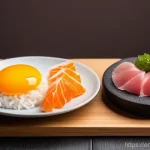
Let’s start with the classics. For sushi and sashimi, a good quality Koikuchi or Tamari is my go-to. Their rich, savory depth perfectly complements the freshness of raw fish without overpowering it. For stir-fries, I often reach for Koikuchi as well, sometimes mixed with a touch of Usukuchi if I want to keep the colors of my vegetables vibrant. When I’m making a light dashi-based soup or a delicate steamed dish, Shiro Shoyu is my secret weapon. Its pale color ensures the dish remains visually appealing, while its subtle umami provides that essential savory backbone. For marinating meats like chicken or pork, I love the robust flavor of Saishikomi – it really penetrates the meat and creates incredible depth. These pairings are tried and true for a reason; they just work! They’ve been perfected over generations, offering a reliable foundation for your Japanese cooking.
Unexpected Twists: Innovative Shoyu Pairings
Now for the fun part – breaking free from tradition and experimenting with unexpected pairings! I’ve discovered that shoyu isn’t just for Asian cuisine. A splash of Koikuchi can add incredible depth to a homemade vinaigrette, giving your salads an exciting umami kick. I’ve even used a touch of Tamari in a rich chocolate dessert (just a tiny amount!) to enhance the cocoa notes, creating a surprisingly complex flavor profile. For grilled vegetables, a drizzle of smoked shoyu can impart an incredible smoky depth without needing a smoker. And for those who love fusion, a mix of shoyu, olive oil, and herbs makes a fantastic dipping sauce for crusty bread. The possibilities are truly endless, and that’s what makes cooking so exciting! Don’t be afraid to think outside the box; you might just discover your next favorite flavor combination. It’s all about being brave and letting your creativity flow in the kitchen.
DIY Shoyu Blends and Marinades for Signature Flavors
Alright, culinary adventurers, this is where you truly unlock your inner chef and start creating your own signature flavors! While store-bought shoyu is fantastic, learning to craft your own blends and marinades opens up a whole new world of possibilities. It’s incredibly satisfying to know that the amazing flavor in your dish came from a concoction you personally whipped up. I’ve spent countless hours in my kitchen tinkering with ratios and ingredients, and I can tell you, the rewards are immense. It’s not just about mixing ingredients; it’s about understanding how each component interacts and contributes to the overall profile. This is where your personal touch truly shines, transforming good meals into unforgettable ones. Trust me, once you start down this path, you’ll feel a surge of creative confidence that will make every cooking session feel like an exciting experiment, yielding delicious results.
Crafting Your Signature Shoyu Marinade
Developing your own shoyu marinades is easier than you think and incredibly rewarding. My go-to formula usually starts with a base of good quality Koikuchi or Tamari. From there, I build layers of flavor. For a sweet and savory glaze, I’ll add mirin (Japanese sweet cooking wine) and a touch of honey or brown sugar. For an aromatic kick, fresh grated ginger and garlic are absolute musts. Sometimes I’ll throw in a splash of sake for extra depth, or a squeeze of fresh citrus like lime or yuzu for brightness. Sesame oil adds a nutty richness that I adore, especially for chicken or tofu. The key is to taste as you go and adjust proportions to your liking. I often make a bigger batch of my favorite marinade and store it in the fridge; it saves time and ensures consistent flavor for future meals. It’s a fantastic way to elevate even the simplest proteins into something extraordinary.
Infused Shoyu: Elevating Everyday Flavor

Want to impress without much effort? Infused shoyu is your secret weapon! This is a super simple yet incredibly effective way to add a gourmet touch to your cooking. All you need is a good quality shoyu and some aromatic ingredients. My personal favorites include thinly sliced fresh ginger and garlic, dried chili flakes for a bit of heat, or even a few strips of kombu (dried kelp) for an extra umami boost. Simply place your chosen aromatics into a clean bottle, fill it with shoyu, and let it sit in the fridge for a few days to a week. The flavors will gradually infuse, creating a beautifully nuanced soy sauce that can be used as a finishing drizzle, a dipping sauce, or even in dressings. I’ve also had great success with dried shiitake mushrooms for a deeper, earthier flavor. It’s a fantastic way to customize your condiments and always have something special on hand. This little trick always gets compliments at my dinner parties!
Understanding Quality: What to Look for in Your Japanese Shoyu
Navigating the world of Japanese soy sauce can be a bit overwhelming with so many brands and types available. But trust me, once you understand what to look for, you’ll be able to spot a high-quality shoyu from a mile away. It’s not just about the price tag; it’s about the ingredients, the brewing process, and ultimately, the flavor profile. I used to just grab whatever was on sale, thinking all soy sauces were more or less the same. Boy, was I wrong! Investing a little more in a good quality shoyu is like investing in a better bottle of olive oil or a superior cut of meat – it elevates your entire cooking experience. You’ll find that a well-made shoyu has a complexity and depth that mass-produced versions simply can’t replicate. It’s truly a foundational ingredient that deserves your attention.
Decoding the Label: Key Indicators of Quality
When you’re standing in the aisle, how do you pick the best bottle? I always start by checking the ingredients list. Look for “whole soybeans,” “wheat,” “salt,” and “water.” Avoid brands that list corn syrup, artificial colors, or excessive preservatives. A good quality shoyu should have a relatively short and natural ingredient list. Also, keep an eye out for terms like “honjozo,” which means traditionally brewed. This indicates a natural fermentation process, typically taking several months, as opposed to chemically produced soy sauce which is made much faster. I’ve also found that knowing the region or a reputable brand can be helpful. Japanese supermarkets or specialty Asian grocery stores often have knowledgeable staff who can guide you. It’s like finding a trusted wine merchant; their advice is invaluable. Taking a moment to read the label makes all the difference.
Price vs. Value: When to Splurge on Shoyu
So, when is it worth spending a bit more on soy sauce? I’ve learned that for everyday cooking, a good quality Koikuchi is perfectly fine and often quite affordable. But for dishes where shoyu is a prominent flavor, or when used as a dipping sauce for delicate items like sushi, splurging on a premium, traditionally brewed, or artisanal variety is absolutely worth it. The difference in complexity, aroma, and mouthfeel is astonishing. Think of it as the difference between a table wine and a fine vintage. For instance, I always keep a bottle of premium Tamari or Saishikomi for special occasions or when I want to create a truly refined flavor. It’s not about being extravagant, but about understanding that some ingredients are stars that deserve the spotlight. Your taste buds, and your guests, will definitely notice and appreciate the superior quality.
Troubleshooting Your Shoyu Seasoning: Common Mistakes & Fixes
Even seasoned home cooks, myself included, sometimes hit a snag when it comes to seasoning with shoyu. It’s easy to make a mistake, especially when you’re learning, but the good news is that most errors are totally fixable! I can’t even count the number of times I’ve accidentally oversalted a dish or felt like something was missing even after adding what I thought was enough soy sauce. It’s all part of the learning curve, and honestly, those “failures” are often the best teachers. The key is to understand what went wrong and how to course-correct without having to toss your whole meal. My philosophy in the kitchen is always to be resourceful and to learn from every experience. Don’t get discouraged; instead, view these little mishaps as opportunities to hone your skills and become an even better cook!
Battling the Salt Bomb: When You’ve Added Too Much
We’ve all been there: that moment of despair when you take a bite and realize your dish is just too salty. My stomach sinks every time! But don’t panic! There are several tricks I’ve picked up over the years to rescue an oversalted dish. For soups or stews, adding more liquid (water, broth, or unsalted stock) is often the simplest solution. If it’s a sauce or a stir-fry, sometimes a touch of acid, like a squeeze of lemon or lime juice, or a splash of vinegar, can help balance the saltiness. A small amount of sugar or honey can also temper the salt and round out the flavors. My personal favorite hack for many dishes is to add a small amount of a bland ingredient, like cooked potatoes, rice, or even some unsalted butter; these can absorb some of the excess salt. Remember, taste constantly while adjusting. A little at a time can bring it back from the brink!
Missing That “Something”: Enhancing Flat Flavors
On the flip side, sometimes a dish just tastes… flat. You’ve added your shoyu, but it still feels like it’s missing that special something. This is a common issue, and I’ve found that it often comes down to a lack of complexity rather than just a lack of salt. If your dish feels one-dimensional, try adding more aromatics like fresh garlic, ginger, or scallions. A splash of mirin or sake can add a subtle sweetness and depth. Sometimes a touch of toasted sesame oil can introduce a nutty aroma that completely transforms the dish. If it’s still missing that umami punch, consider adding a dash of dashi powder, a few rehydrated shiitake mushrooms, or even a tiny amount of miso paste. I’ve also found that a fresh herb garnish, like cilantro or chives, can brighten up a dull dish dramatically. It’s all about layering those flavors until you hit that perfect balance.
Elevating Your Everyday: Shoyu in Global Cuisine
While Japanese soy sauce is, well, quintessentially Japanese, its incredible versatility means it doesn’t have to stay confined to just Asian dishes! I’ve personally found immense joy in experimenting with shoyu beyond its traditional boundaries, and let me tell you, it’s a revelation. Think of it as a secret weapon in your global culinary arsenal. Just as salt is a universal enhancer, shoyu’s umami depth can boost flavors in unexpected ways across a myriad of cuisines. It’s truly amazing how a dash of good quality shoyu can subtly transform a familiar dish, adding a layer of sophisticated flavor you didn’t even know was missing. This adventurous approach is what makes cooking truly exciting for me, pushing the boundaries of what’s expected and discovering delightful new taste experiences.
Umami Boost for Western Favorites
You might be surprised how seamlessly shoyu integrates into Western cooking. I love adding a splash of Koikuchi to my homemade tomato sauce; it deepens the richness and brings out the natural sweetness of the tomatoes without making it taste distinctly “Asian.” For grilled meats, a light brushing of shoyu mixed with olive oil and herbs creates an incredible crust and a savory punch. I’ve even added a tiny bit to beef stew to enhance the meatiness and overall savory profile, similar to how Worcestershire sauce is used. My secret for unbelievably delicious roasted vegetables? A drizzle of shoyu, olive oil, and a sprinkle of black pepper before roasting. It caramelizes beautifully and adds an irresistible umami glaze. It’s all about using it subtly to enhance, not to dominate. You’d be amazed at how many dishes benefit from that extra layer of savory depth.
Shoyu in Your Baking? You Bet!
Now, this might sound a bit wild, but hear me out: shoyu in baking! Before you dismiss it, consider how a touch of salt enhances sweet flavors. Shoyu can do the same, but with an added layer of umami complexity. I’ve experimented with a tiny dash of Tamari in chocolate chip cookies, and it really brings out the rich cocoa notes and caramelizes the sugars in a unique way. For savory baked goods, like cheese straws or even certain breads, a small amount of shoyu in the dough can add a fantastic depth of flavor. It’s about using it as a background note, a flavor enhancer, rather than a prominent taste. I remember being skeptical at first, but after trying it, I was totally hooked. It’s a bold move, but one that can lead to surprisingly delicious and memorable results that will have everyone asking for your secret ingredient!
| Shoyu Type | Key Characteristics | Best Uses (My Personal Favorites!) | Flavor Profile |
|---|---|---|---|
| Koikuchi (Dark Soy Sauce) | All-purpose, most common, dark brown color, balanced flavor. | Dipping sauce, marinades, stir-fries, general cooking. My absolute everyday essential! | Salty, balanced umami, slightly sweet. |
| Usukuchi (Light Soy Sauce) | Lighter in color, saltier than Koikuchi, distinct aroma. | Soups, stews, dishes where color preservation is key (e.g., clear broths, delicate vegetables). Perfect for those delicate Japanese aesthetics! | Sharply salty, strong aroma, moderate umami. |
| Tamari | Darker than Koikuchi, thicker, richer, often gluten-free. | Gluten-free option, dipping sauce for sushi/sashimi, marinades for richer meats. This is my go-to for a deep, mellow umami. | Rich, mellow umami, less salty than Koikuchi. |
| Shiro (White Soy Sauce) | Very pale, delicate aroma, slightly sweet. | Light dressings, clear soups, chawanmushi (savory custard), preserving ingredient color. It’s a subtle powerhouse for elegant dishes. | Subtle, delicate umami, slightly sweet. |
| Saishikomi (Twice-Brewed) | Very dark, intensely rich, thick, long fermentation. | Dipping sauce for special occasions, finishing sauce, gourmet marinades. This one is a splurge, but SO worth it for the depth! | Intensely rich umami, complex, slightly sweet. |
Wrapping Things Up
Wow, what a journey we’ve been on, diving deep into the incredible world of Japanese shoyu! I genuinely hope you’ve enjoyed exploring the nuances, the traditions, and the endless possibilities these amazing sauces offer. For me, it’s been a truly transformative experience in my own kitchen, turning everyday meals into something truly special. Remember, it’s not just about adding salt; it’s about adding depth, character, and that elusive umami magic. So go ahead, experiment, taste, and let your culinary curiosity guide you to new and exciting flavors!
Handy Tips You’ll Wish You Knew Sooner
1. Don’t just stick to one type of shoyu! Like different wines for different dishes, having Koikuchi, Usukuchi, and Tamari on hand will dramatically expand your flavor toolkit. I keep them all ready to go, and it makes a huge difference.
2. Always taste as you go! Shoyu’s intensity varies, so a “small sips” approach of adding little by little is your best friend to avoid over-salting. Trust your palate; it learns quickly and will guide you to perfection.
3. Think beyond Asian cuisine. A dash of shoyu can secretly enhance the savory notes in Western dishes like stews, pasta sauces, or even roasted vegetables. It’s truly a game-changer for a subtle, irresistible umami boost.
4. Check those labels for “honjozo” – it means traditionally brewed. This usually indicates a higher quality, more complex flavor profile compared to chemically processed options. Your taste buds will definitely thank you for the upgrade.
5. Store your opened shoyu in the refrigerator to maintain its freshness and flavor, especially the delicate, lighter varieties. This prevents oxidation and keeps it tasting its absolute best for longer, preserving those precious nuances.
Key Takeaways for Your Culinary Journey
Ultimately, the world of Japanese shoyu is vast and incredibly rewarding. Embrace the diversity, from the all-purpose Koikuchi to the delicate Shiro and intensely rich Saishikomi. It’s vital to understand that shoyu is an umami enhancer, not merely a salt substitute; learning to layer its flavors is key to achieving true depth in your dishes. Don’t be afraid to experiment, both within traditional Japanese cooking and by boldly incorporating it into global cuisine. Investing in quality and understanding the brewing process will undeniably elevate your dishes, making every meal a richer, more flavorful, and memorable experience. Most importantly, have an absolute blast with it – your kitchen is your personal playground for flavor!
Frequently Asked Questions (FAQ) 📖
Q: How can I truly unlock the full flavor potential of Japanese soy sauce beyond just a basic splash or dipping sauce?
A: Oh, this is such a fantastic question! For years, I was just like many of you, using soy sauce as a quick dip for sushi or a last-minute splash in a stir-fry.
And while those are perfectly valid uses, they barely scratch the surface of what Japanese soy sauce, or “shoyu,” can do! Think of it as your kitchen’s secret weapon, capable of adding layers of savory depth, not just saltiness.
From my own culinary journey, I’ve learned that the magic truly happens when you start thinking about soy sauce not just as a condiment, but as an ingredient that plays many roles.
First, let’s talk about the incredible variety. Not all Japanese soy sauces are created equal! You’ve got your everyday “koikuchi shoyu,” which is a dark, all-purpose workhorse, great for pretty much everything from marinades to stir-fries.
But then there’s “usukuchi shoyu,” a lighter-colored, saltier version often used in dishes where you want to maintain the vibrant color of ingredients while still adding that essential umami kick.
And don’t even get me started on “tamari,” which is typically thicker, richer, and often gluten-free, making it phenomenal for dipping and glazing. There’s also “shiro shoyu,” a pale, delicate sauce, and “saishikomi,” a richer, twice-brewed variety that’s fantastic as a finishing touch.
Understanding these differences is like suddenly having a whole new palette of flavors at your fingertips! I’ve personally found that incorporating soy sauce into marinades is a game-changer.
It penetrates meats and vegetables so beautifully, infusing them with savory notes that table salt just can’t replicate. My go-to ratio for a marinade is often two parts soy sauce to one part other liquids, like mirin or sake, along with aromatics like ginger and garlic.
It’s also brilliant in glazes; imagine brushing a mix of soy sauce and honey or maple syrup onto roasted chicken or fish for a gorgeous, caramelized finish.
For salad dressings, it can replace a good portion of the salt, adding complexity you never knew you needed—just combine a tablespoon of soy sauce with a tablespoon of oil, some acid, and your favorite herbs.
And for stir-fries, instead of just dumping it in at the beginning, I like to add a splash towards the end of cooking to preserve its aromatic nuance and ensure those umami flavors shine through without getting cooked off.
Believe me, once you start experimenting with these different types and techniques, your cooking will never be the same!
Q: What does it mean to create a “perfectly balanced shoyu seasoning” and how can I achieve that irresistible umami depth in my home cooking?
A: Ah, the quest for that “perfectly balanced” flavor – it’s what separates a good dish from an absolutely unforgettable one, right? When I talk about a “perfectly balanced shoyu seasoning,” I’m really getting at how soy sauce interacts with the other fundamental tastes: sweet, sour, salty, and bitter.
It’s all about creating harmony, where no single flavor overpowers another, and everything sings together. And that elusive “umami depth” you mentioned?
That’s where soy sauce truly becomes a superstar! Umami is often called the “fifth taste,” that savory, rounded, deeply satisfying flavor that makes you crave another bite.
It’s naturally present in many ingredients like mushrooms, ripe tomatoes, cheese, and of course, soy sauce, thanks to the amino acids like glutamate that are formed during fermentation.
When I first started consciously adding umami to my cooking, it felt like I’d unlocked a secret cheat code! To achieve this balance and umami depth, I’ve found a few tricks that have never failed me.
First, don’t be afraid to combine soy sauce with other umami-rich ingredients. For example, in a soup or stew, adding a touch of soy sauce alongside mushrooms or even a bit of miso paste creates a synergy that amplifies the savory notes dramatically.
I’ve personally experimented with homemade umami pastes using dried tomatoes, shiitake mushrooms, soy sauce, and miso – it’s an absolute flavor bomb for sauces and marinades!
Another golden rule is to use soy sauce to complement and cut through other flavors. A little sweetness, like a touch of honey or brown sugar, can deepen the umami and soften the saltiness of soy sauce beautifully, especially in glazes or sauces.
Conversely, a splash of something acidic, like rice vinegar or a squeeze of lime juice, can brighten up a rich, soy-based dish, preventing it from tasting too heavy or “funky.” I always taste as I go – a crucial step that helps me adjust and find that sweet spot of balance.
Just a small addition of soy sauce can replace salt in many dishes, adding depth and flavor simultaneously. Remember, a little goes a long way, and starting with small amounts ensures umami enhances, rather than dominates, your dish.
Q: Do you have any go-to dishes or specific cooking tips where Japanese soy sauce truly shines and elevates the meal to something extraordinary?
A: Absolutely! This is where the rubber meets the road, or should I say, where the soy sauce meets the saucepan! Over the years, I’ve gathered a few signature dishes and techniques where Japanese soy sauce isn’t just an ingredient, but the star that transforms a meal.
These are the kinds of dishes that make people ask, “What is that amazing flavor?”One of my absolute personal favorites has to be a good old Shoyu Chicken.
It’s a Hawaiian staple, and I’ve tweaked my recipe to perfection. The key is to braise chicken thighs in a rich liquid of soy sauce, brown sugar, mirin, ginger, and garlic.
What makes it extraordinary is allowing the chicken to simmer gently, letting it soak up all that incredible flavor, and then reducing the sauce to a beautiful, glossy glaze.
The savory depth from the soy sauce, balanced with the sweetness and aromatics, turns simple chicken into something unbelievably tender and bursting with umami.
I always serve it over steamed white rice, because that sauce is liquid gold and needs to be soaked up! Beyond specific recipes, I’ve found that using soy sauce for glazing roasted vegetables or tofu is another fantastic way to elevate them.
Imagine perfectly roasted Brussels sprouts or crispy tofu cubes tossed in a glaze made with soy sauce, a touch of sesame oil, and a hint of honey or maple syrup.
The soy sauce provides that savory base, while the sweetness creates a delightful caramelization. It’s truly incredible how it transforms humble veggies into something addictive.
And here’s a tip I live by: when making stir-fries or even simple fried rice, instead of adding all your soy sauce at the beginning, save a splash for the very end.
Drizzling it around the sides of the hot pan in the last minute or so allows it to hit the heat, bloom its aroma, and develop a more pronounced, fresh umami flavor without over-salting the dish.
It’s a small trick, but trust me, it makes a huge difference. I’ve personally seen how this tiny adjustment can take a good stir-fry to a “wow!” stir-fry.
These methods, based on real cooking experience, ensure that every drop of shoyu is working hard to make your meals sing.